How to Identify Architecturally Significant Homes in Bucks County
Is your Bucks County home more than just beautiful? It might be architecturally significant, which can influence how you market it, renovate it, and understand its long-term value. If you’re curious about what qualifies, you’re not alone. In this guide, you’ll learn the criteria experts use, what to look for in Bucks County architecture, how to research a property’s history, and what designation could mean for you. Let’s dive in.
Preservation professionals use clear standards to define architectural significance. A home is considered significant if it embodies distinctive characteristics of a type, period, or method of construction, represents the work of a master, has high artistic values, or yields information important to architectural history. These concepts align with National Park Service criteria for evaluation.
Several elements typically guide the evaluation:
In practice, age alone is not enough. A later addition, major replacement windows, or modern siding can reduce integrity and change how a home is viewed by reviewers.
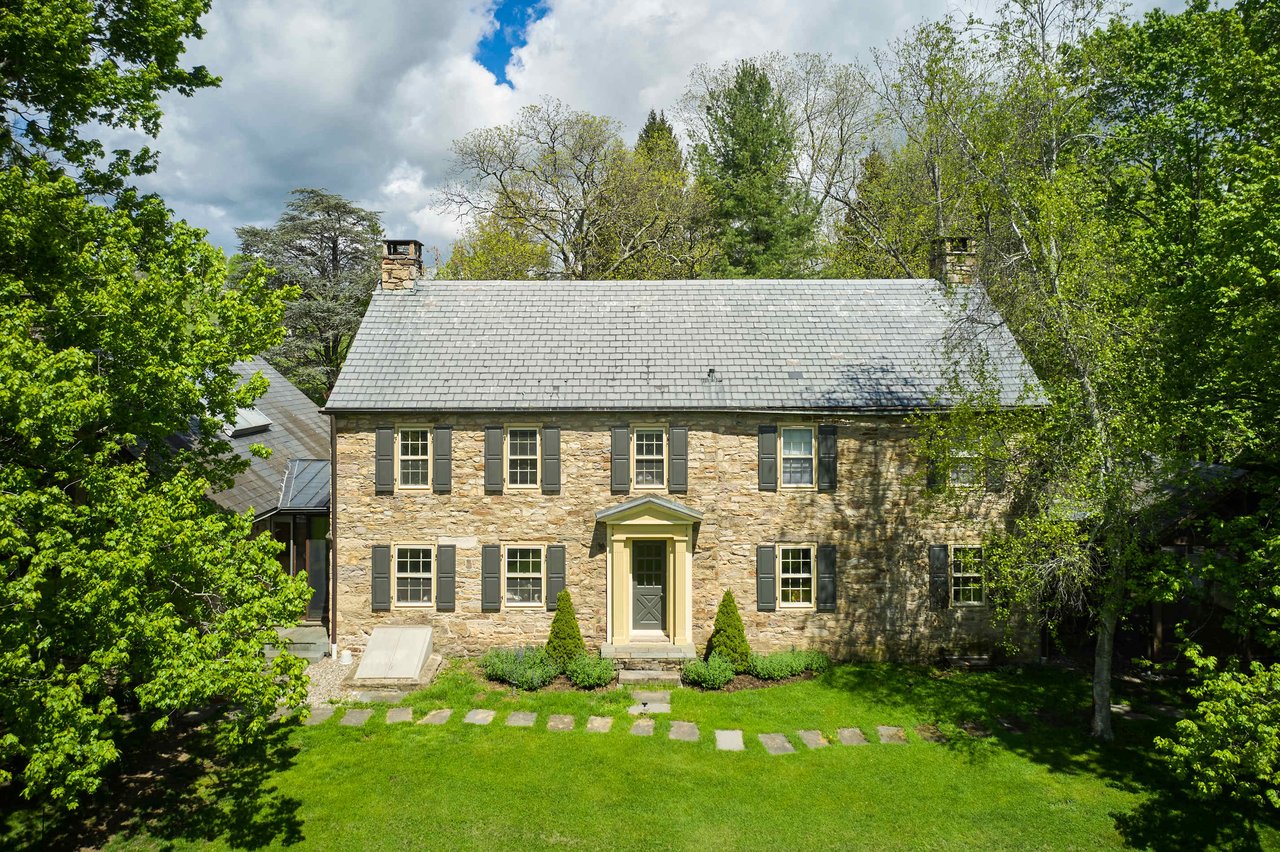
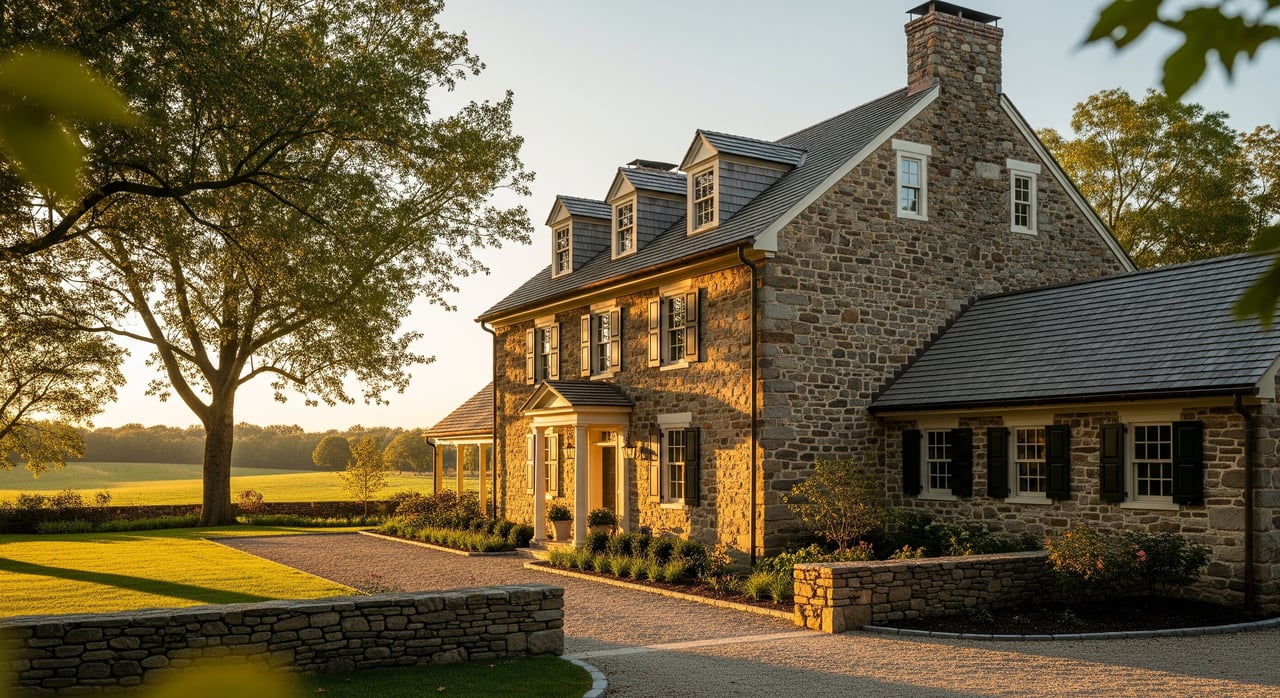
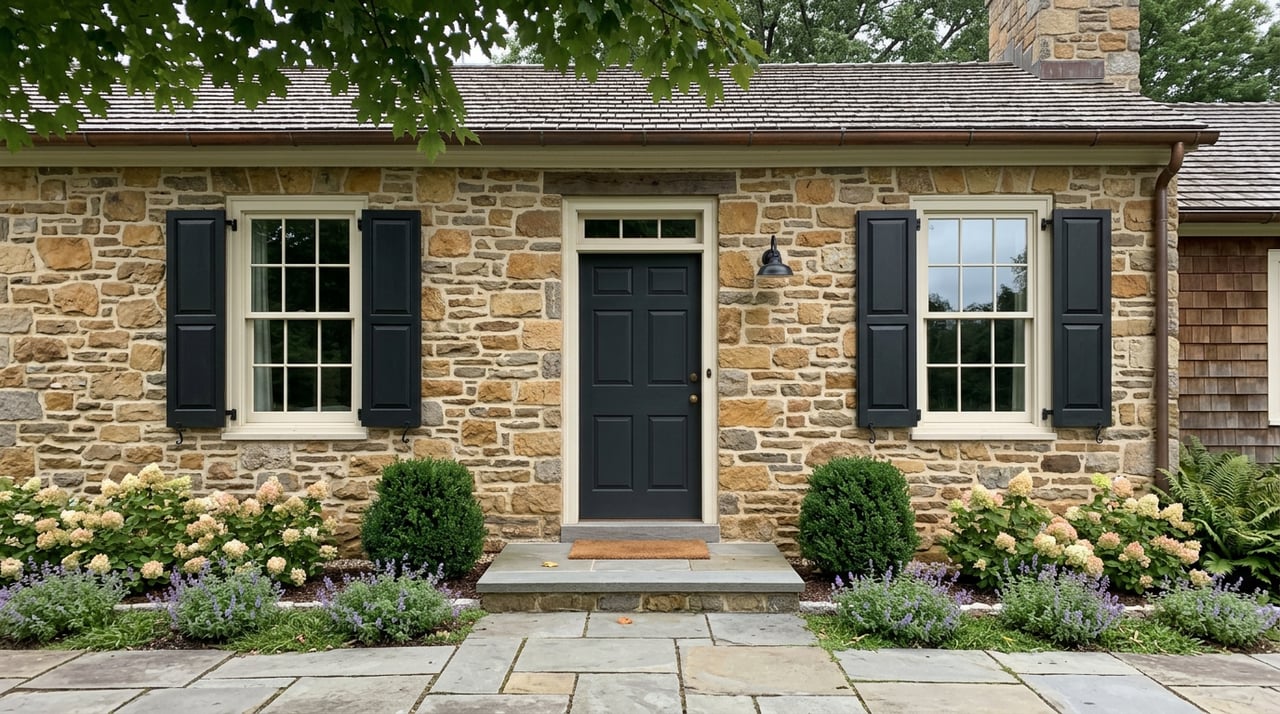
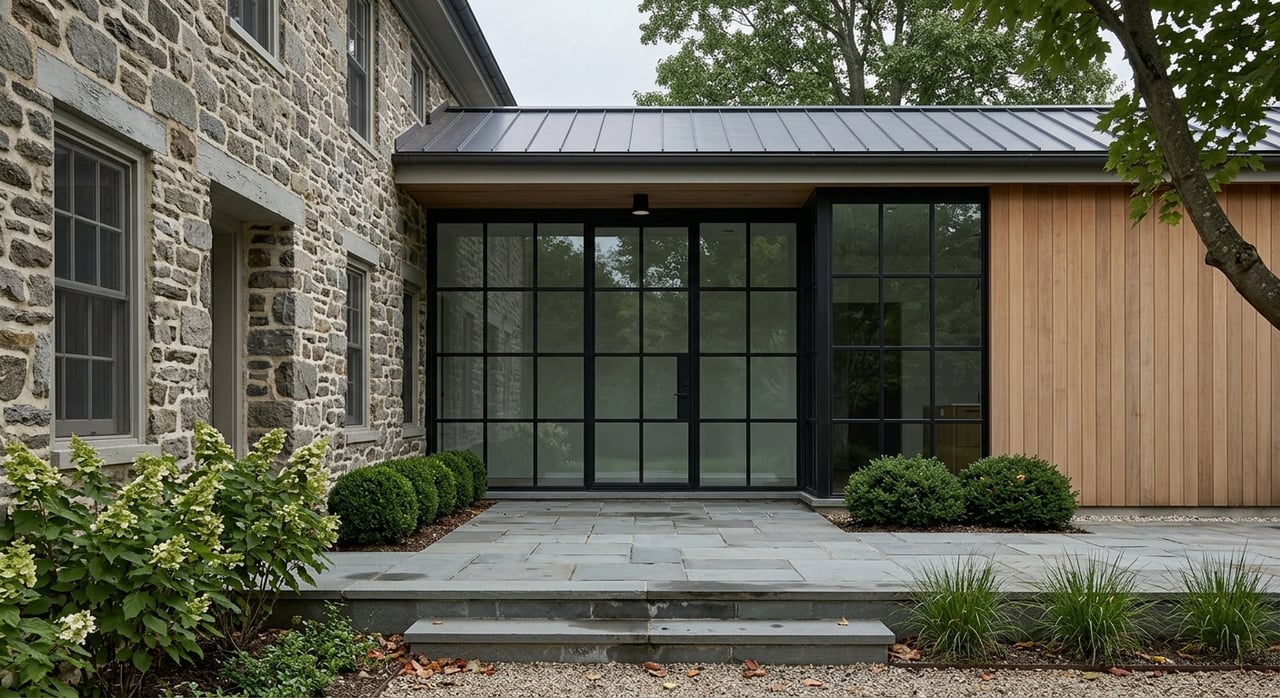
Bucks County’s history shows up in its building traditions and materials. Early agricultural settlement produced stone farmhouses and barns across the countryside. Many rural buildings used native fieldstone and careful masonry, which still define the area’s character today.
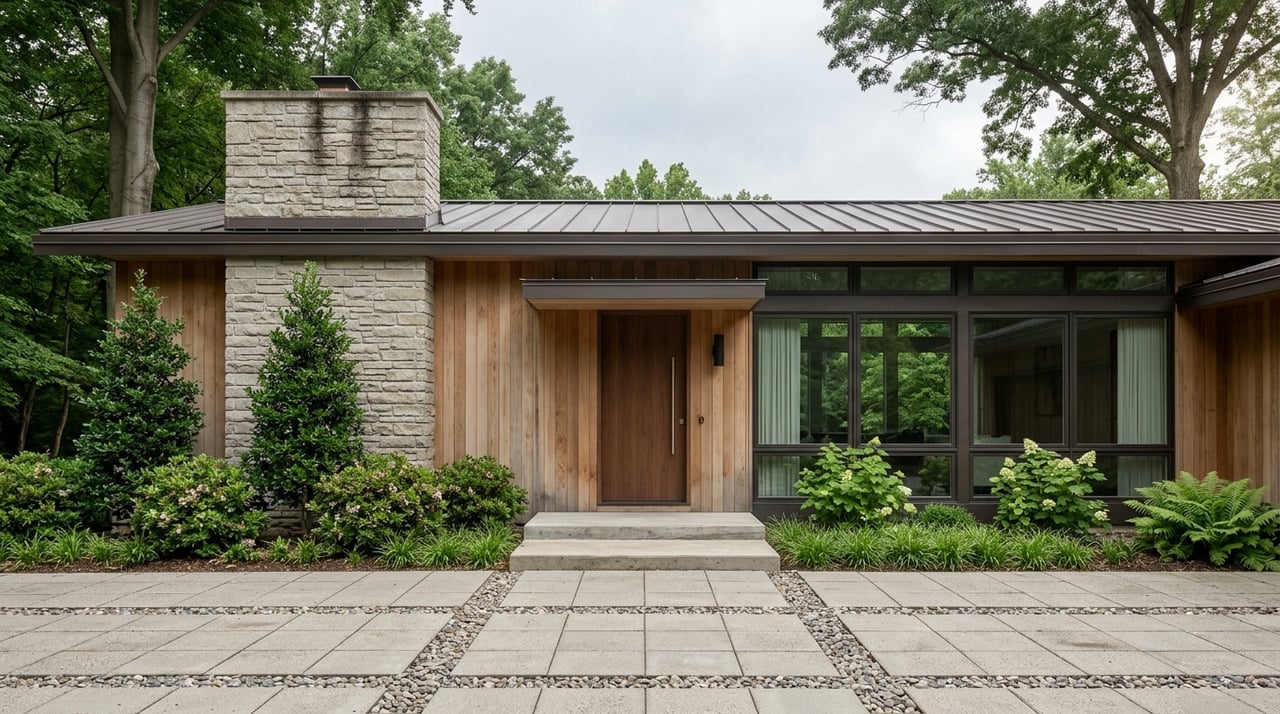
Riverside towns grew with the canal and milling economy, leaving masonry mill buildings and canal-related structures. Victorian-era growth brought Queen Anne, Gothic Revival, Italianate, and Shingle-style homes in borough neighborhoods. You also see Colonial Revival and Tudor Revival in early 20th-century communities, and later, mid-century homes in suburban neighborhoods.
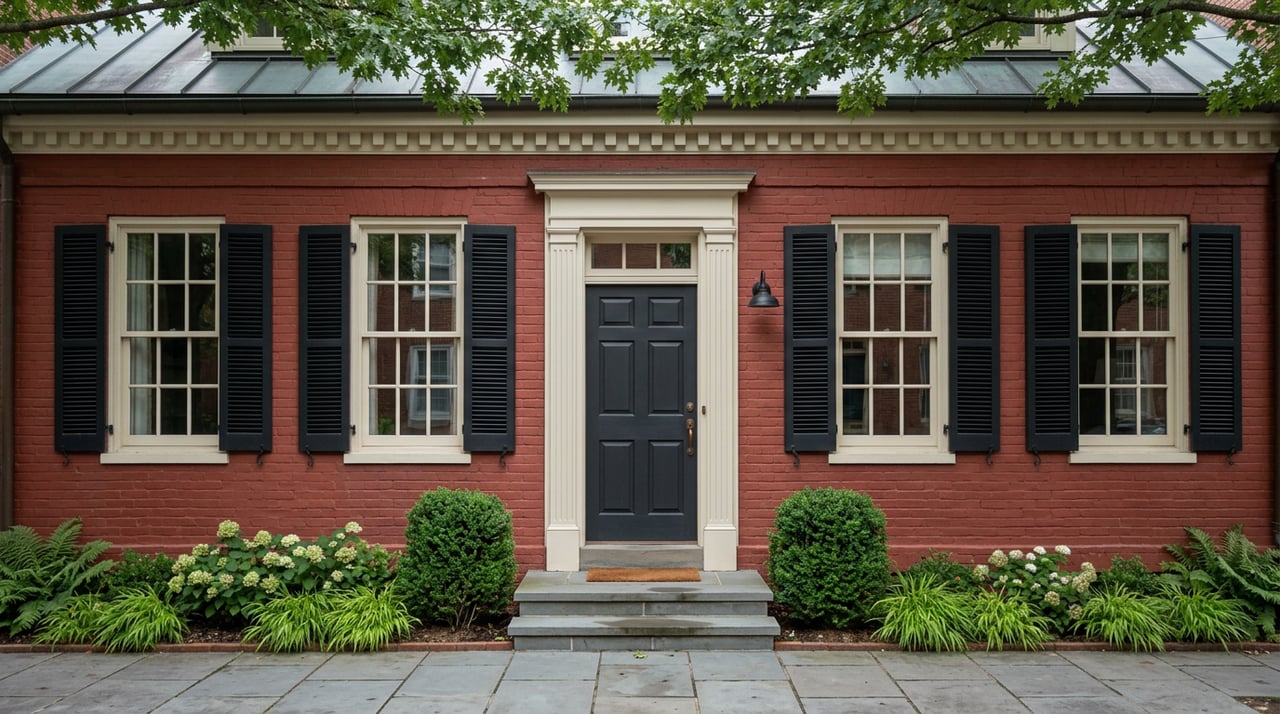
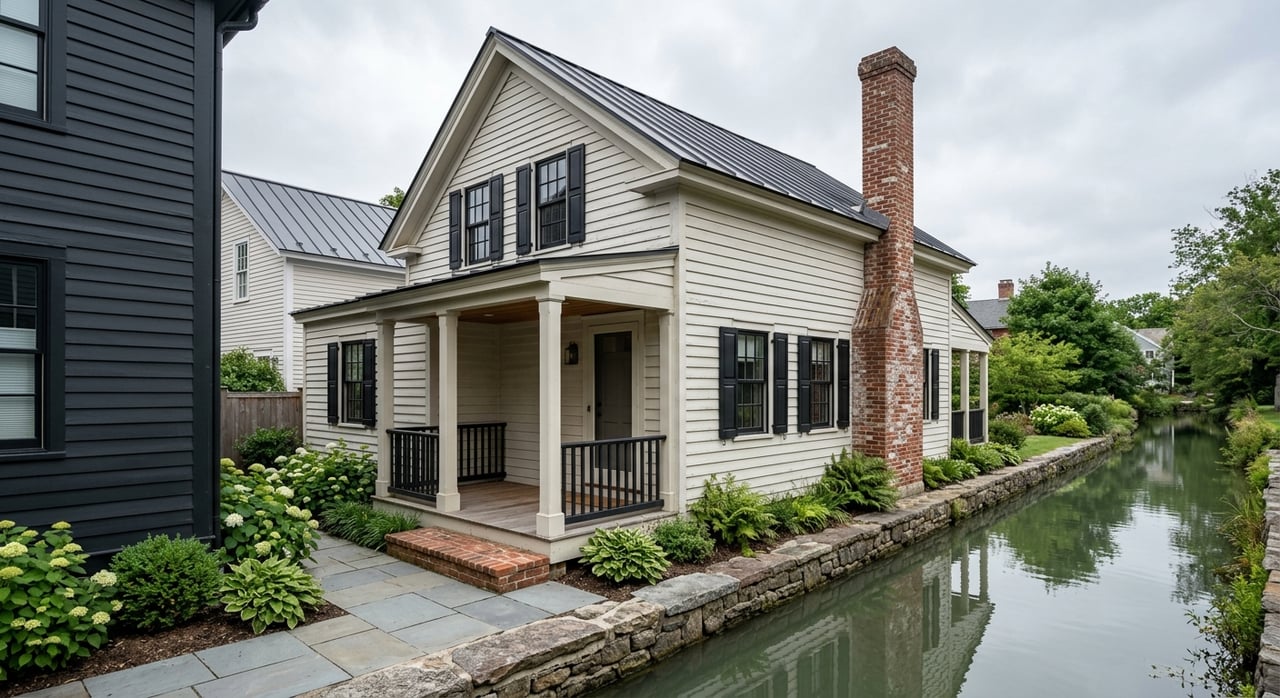
Common local features include bank barns built into slopes, fieldstone farmhouses with symmetrical forms, clapboard vernacular houses in boroughs, and wood-frame Victorian homes with porches and decorative trim. For local context and archival resources, the Bucks County Historical Society at the Mercer Museum is a helpful starting point.
A thoughtful evaluation combines research with a close look at the building itself. Start with records and then confirm what you find on site.
If you want a formal determination, preservation consultants, preservation architects, or the SHPO can advise on eligibility and nominations.
Not all listings or designations have the same effect.
Financial tools may include tax credits for income-producing properties, grants, or loans. Availability varies by location and program, so check with PHMC or your municipality before planning work.
Architectural significance can attract design-minded buyers, bolster interest, and support value in areas that prize historic character. Homes in well-maintained historic districts may show strong price stability. The appeal often comes from authenticity, proportions, materials, and craftsmanship that are hard to replicate.
There are tradeoffs to consider. Some buyers worry about design review, specialized maintenance, and the cost of authentic materials. Insurance and restoration budgets can be higher for buildings with custom work or rare materials. Clear disclosure of any designations and rules helps buyers plan with confidence.
If you anticipate rehabilitation, align your approach with the Secretary of the Interior’s Standards for Rehabilitation. These guidelines help you preserve character-defining features and may be required for certain incentives.
Use this simple workflow to build a reliable picture of your property:
If your home appears to meet the age and integrity guidelines, you will benefit from the right team. Preservation consultants or architects can define eligibility and scope for sensitive work. A design-led real estate advisor can help translate those findings into market advantage through staging, renovation guidance, and targeted outreach to qualified buyers.
If you are weighing a sale or purchase, a seasoned advisor with architectural training can assess design integrity, flag cost drivers, and position the property to resonate with the right audience. That combination of accurate evaluation and curated presentation can be the difference between a good result and a great one.
If your Bucks County property might be architecturally significant, now is the time to get clarity. With the right research and guidance, you can protect what makes it special and make informed decisions about value, timing, and improvements. If you would like a discreet, design-forward perspective on next steps, we are here to help.
Request your Private Home Valuation from Unknown Company.
Stay up to date on the latest real estate trends.

Dana's many repeat clients are a testament to the experience she brings to the process and the level of service she provides. With her knowledge of the market, she can also help clients understand what improvements make financial sense.