Is your Doylestown home full of character, but you are unsure how to price it? Historic properties hold emotional weight and design value, yet buyers want clarity on condition, function, and future approvals. With the right process, you can translate craftsmanship and provenance into a defensible number that attracts the right offers. This guide shows you how to value a historic home in Doylestown with confidence and calm. Let’s dive in.
Why historic homes price differently in Doylestown
Doylestown’s walkable borough, cultural institutions, and concentrated historic fabric create steady interest in older homes near downtown and civic anchors. Buyers often value architectural detail, streetscapes, and convenient access to amenities. That said, the buyer pool can be niche, with preservation-minded purchasers and design-focused buyers leading demand.
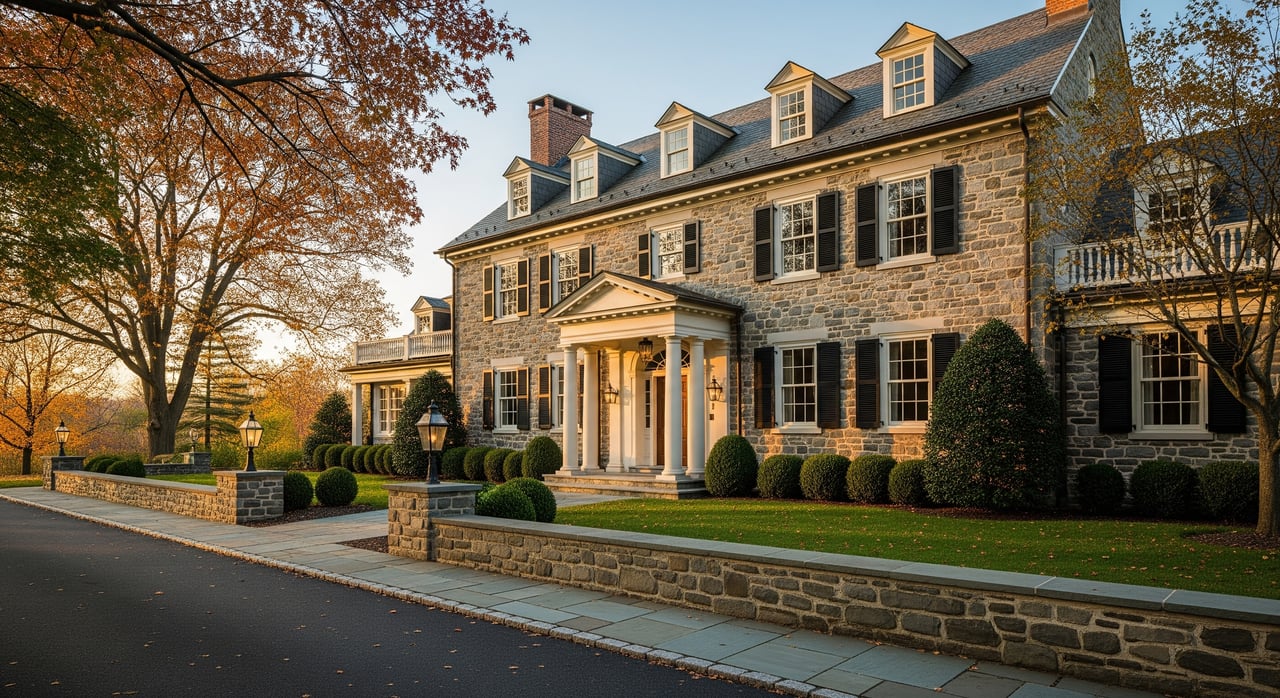
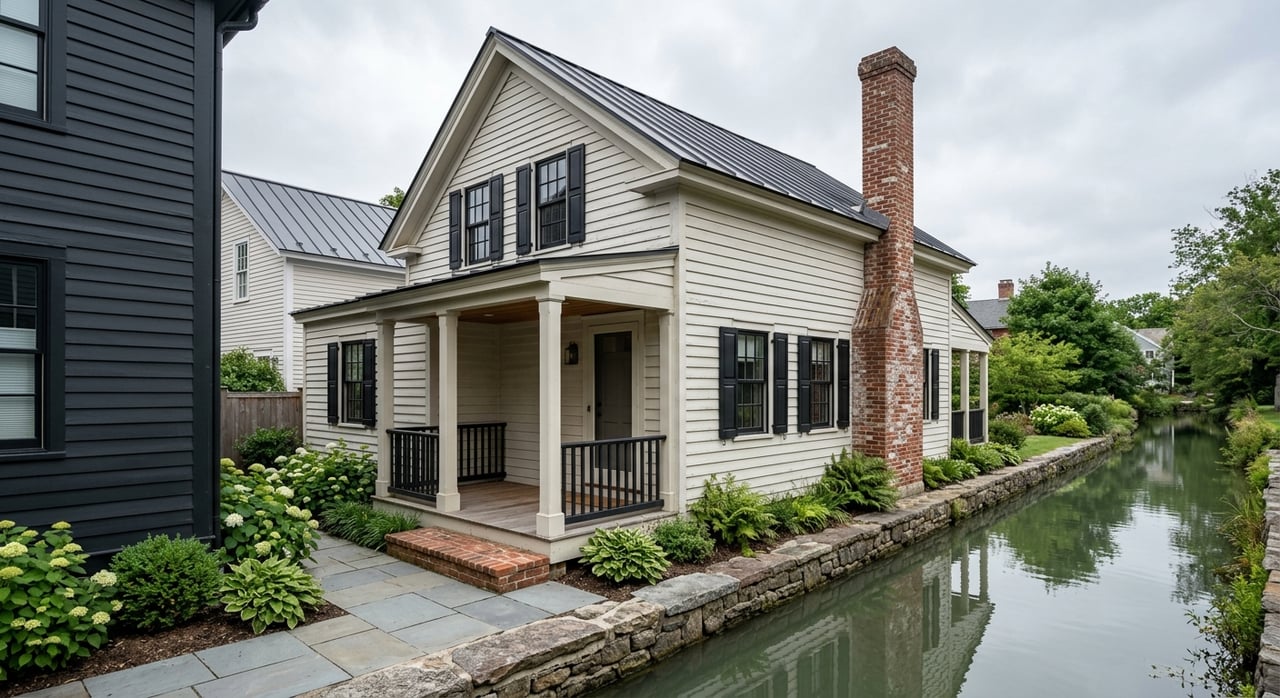
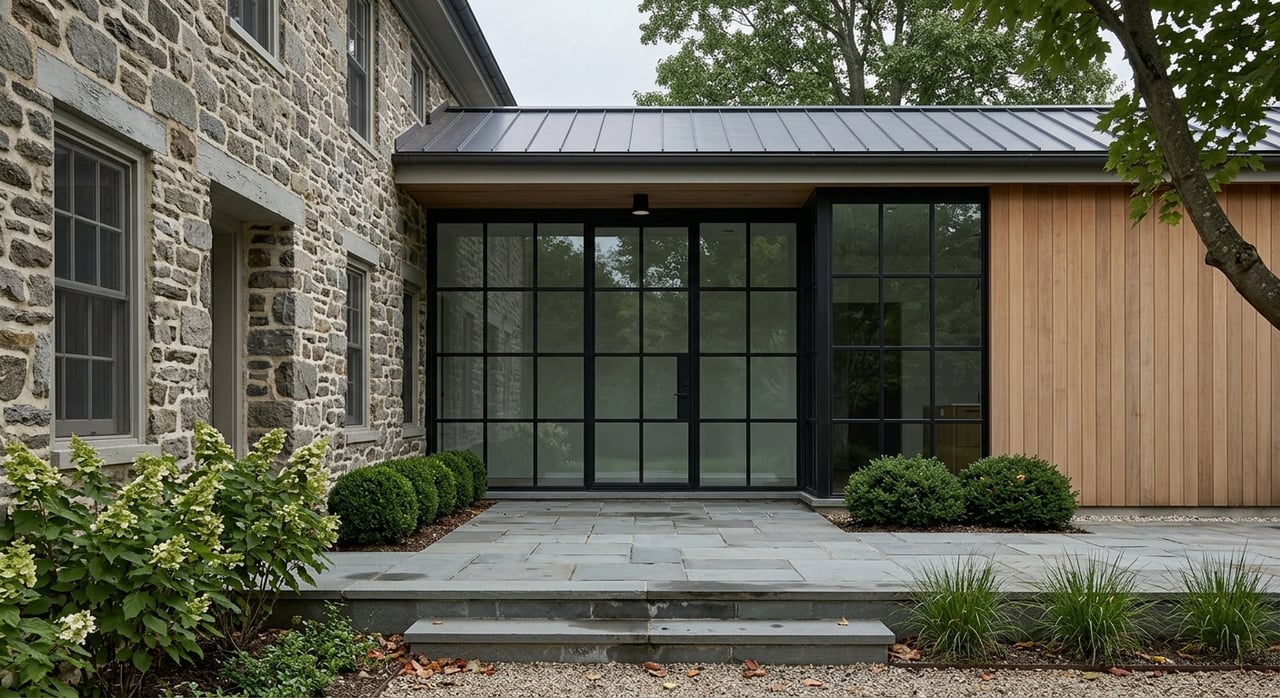
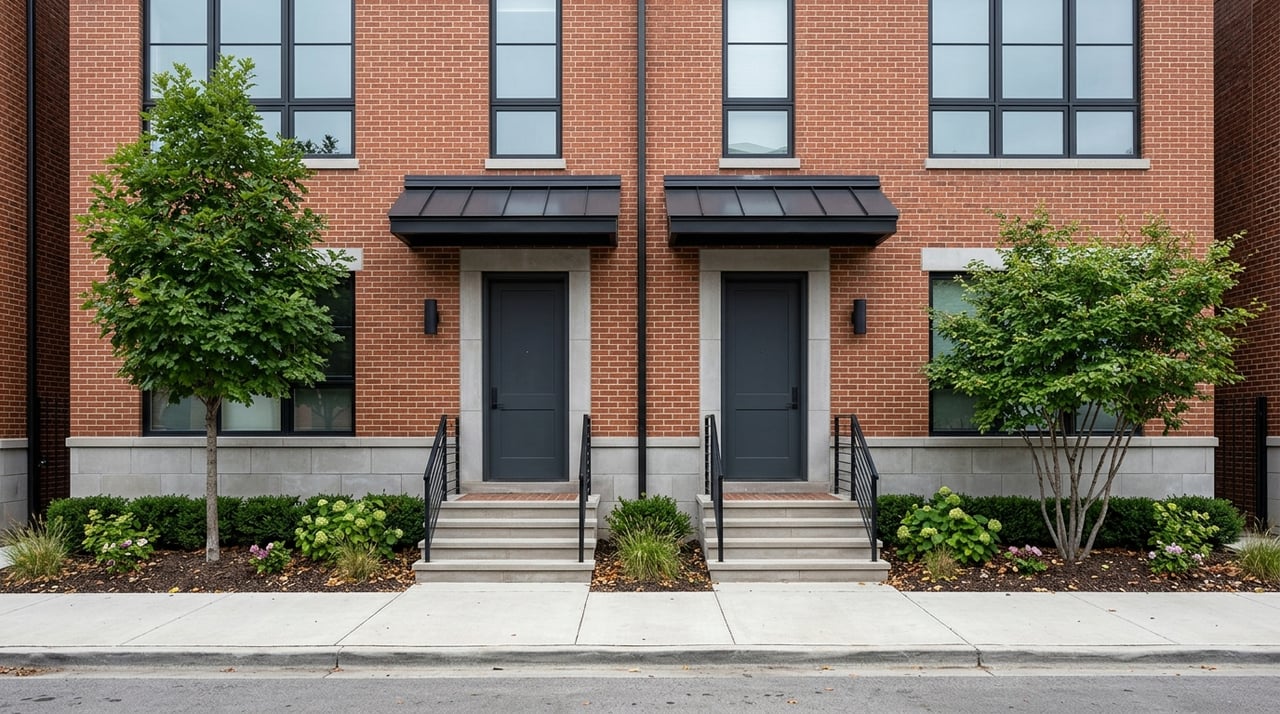
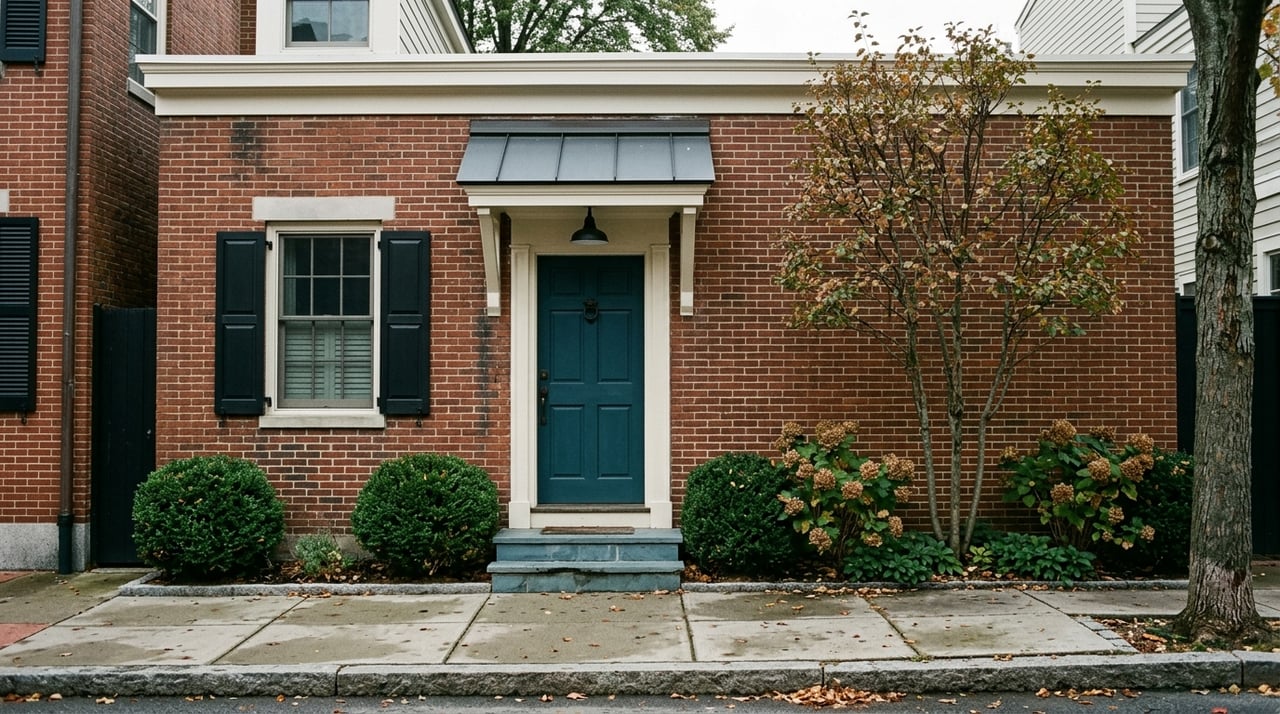
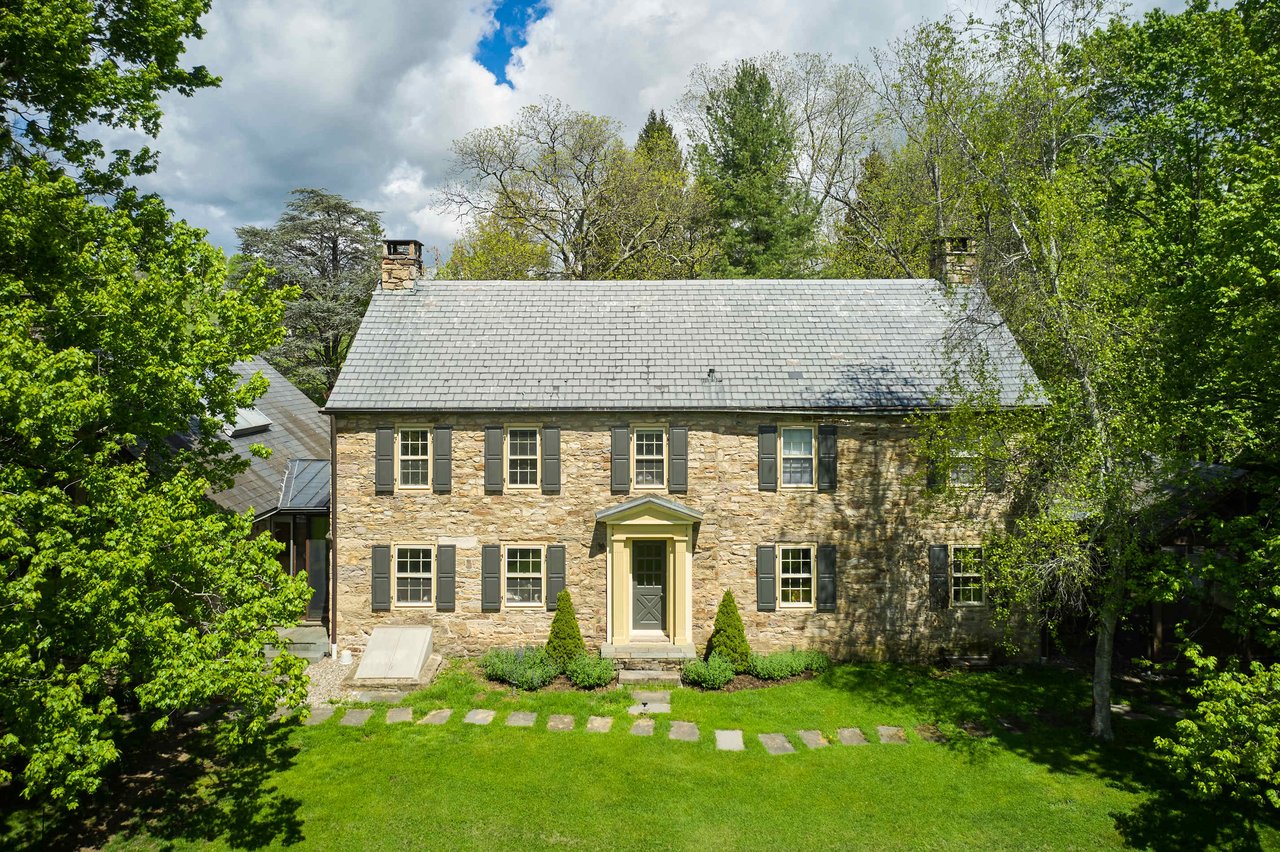
Homes here range from late 18th-century vernacular structures to Victorian and early 20th-century styles. Architectural integrity, proximity to the borough core, and lot character can shift price more than they would for newer homes. Your strategy should highlight authenticity while addressing functionality and systems.
Confirm your home’s historic status
Start by clarifying the legal and historic context. This shapes buyer expectations, timelines, and value.
- National Register listing: This offers prestige and can support marketing appeal. It does not usually restrict a private owner’s changes unless federal funds or permits are involved.
- Local historic district or local landmark: These typically require exterior design review through a Historic Architectural Review Board or similar body. The review can reassure buyers about neighborhood stability, and it can also add steps for approvals that some buyers will factor into pricing.
- Preservation easements or covenants: These may limit alterations in perpetuity. They can narrow the buyer pool or support a premium for protected settings, depending on the property and market.
Action for sellers: Verify your property’s status with Doylestown Borough and check the Bucks County Recorder and Assessor for any recorded easements or covenants. Gather proof of any designations for your property file.
Gather the right market data
Pricing a historic home starts with disciplined data collection. Focus on the closest and most credible sources.
- Recent closed sales and active listings for similar-era homes in Doylestown and nearby neighborhoods.
- Days on market trends for older homes to gauge velocity.
- Price per square foot ranges by neighborhood and age band, used as a guide rather than a rule.
- Listing-to-sale price ratios and any observed premium for designated properties.
Pull 12 to 24 months of data from the local multiple listing service and county records, then curate down to the best matches. Keep notes on differences in condition, systems, and historic integrity.
Choose valuation methods wisely
Historic homes benefit from using more than one valuation lens. Here is how to weigh them.
- Sales Comparison Approach: This is usually primary for single-family historic homes. Target comps with similar era, style, and condition. Adjust for updates, systems, usable living area, and degree of intact historic detail.
- Cost Approach: Use this when comps are scarce or the home’s historic fabric is exceptional. Reproduction cost for elements like slate roofs, specialty masonry, or carved millwork can be significant and can help validate value.
- Income Approach: If the property is income-producing, analyze net operating income and local cap rates. For investors, the numbers must pencil, even when design integrity is a draw.
Reconcile these approaches in a clear range, then pick a pricing strategy that suits your home and market timing.
Quantify what makes your home valuable
Buyers pay for what they can see, verify, and trust. Document, do not just describe.
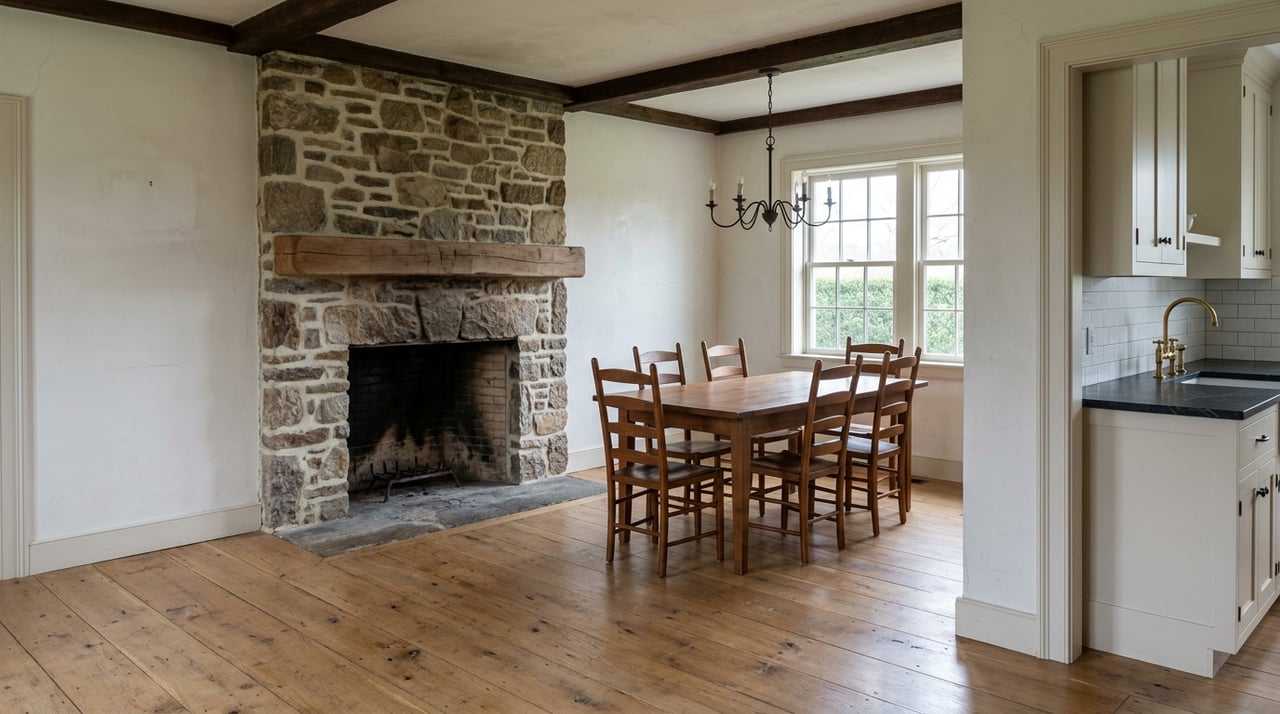
- Architectural significance and integrity: Original windows, floors, millwork, mantels, and porches matter. Note what is original, what has been carefully restored, and what was replaced.
- Functional layout: Kitchens, baths, storage, and bedroom-bath ratios influence daily living. If the plan feels tight, show pathways to improve function with estimates.
- Systems and structure: Electrical, plumbing, HVAC, roof, masonry, and foundation condition are critical. Obtain contractor bids for cost to cure and have them ready for showings.
- Lot and setting: Proximity to downtown, tree-lined streets, and period-appropriate landscaping can boost demand. If the setting changed around the property, note impacts honestly.
- Unique high-cost features: Slate roofs, stained glass, specialty stone, and custom millwork have high replacement costs. Their presence, when intact, supports price. If they require work, disclose costs clearly.
When you measure these items, you make it easier for appraisers and buyers to see the value.
Build a price with evidence
Preparation reduces uncertainty, which supports stronger pricing and smoother negotiation.
- Pre-listing inspection with a preservation-aware inspector. Include testing for lead paint in pre-1978 homes and structural review if indicated.
- Written contractor estimates. Obtain two to three bids for significant items, from systems to window restoration. Use them to justify pricing or credits.
- Pre-listing appraisal or a broker price opinion from a professional experienced with historic homes. Use this to triangulate your range.
- Documentation and provenance: Gather permits, restoration invoices, assessment history, and any known architect or past owner research for your dossier.
When buyers see organized, credible documentation, they feel more confident bidding at or near your asking price.
Comparable sales adjustment checklist
Use this list to align comps with your property:
- Age and architectural style match
- Integrity of original materials and finishes
- Quality and quantity of historic features
- Condition and safety of mechanical systems
- Functional layout and bath count
- Lot size, topography, and any outbuildings
- Local designation or easements that affect exterior changes
- Documented restorations with permits and receipts
Apply adjustments based on verified costs and paired sales, not on general assumptions.
Pick the right pricing strategy
Every historic home sits somewhere on a spectrum from turnkey to project. Choose the strategy that fits your home’s reality and the current Doylestown buyer pool.
- Market-value pricing: Base your list price on well-adjusted comps when local demand is active and your home is in solid, functional condition.
- Premium positioning: If your home has exceptional integrity, landmark status, prime location, or museum-quality restoration, consider a premium. Support it with high-caliber photography, provenance, and a clear narrative of what sets the property apart.
- Value-with-work pricing: If significant restoration or system updates are needed, price below polished comps. Provide detailed, credible estimates so buyers can evaluate scope quickly.
- Credit-based approach: Instead of undertaking complex repairs, offer a seller credit or price adjustment tied to documented costs. This can streamline your timeline and reduce risk.
Test the market with a thoughtful price, then monitor showing feedback and interest from preservation-minded buyers to refine if needed.
Presentation and marketing that support price
Great presentation turns character into competitive advantage. It also shortens days on market.
- Professional photography that highlights architectural detail, gardens, and natural light. Include close-ups of millwork, mantels, staircases, windows, and masonry.
- Accurate, engaging history. Note the year built, stylistic influences, significant owners or architects if verified, and a clear summary of restoration work.
- Targeted outreach. Share with preservation groups, local historical societies, and design-focused buyer circles. Your goal is to reach the audience that values authenticity.
- Showings that invite time and discovery. Provide a printed or digital dossier with inspection summaries, estimates, permits, and designation details.
When marketing aligns with the home’s character, the right buyers recognize value faster and bid with conviction.
Common pitfalls to avoid
- Overpricing based on charm alone. Integrity and condition must be documented and measurable.
- Underestimating systems and envelope costs. Old electrical, roofs, and masonry need realistic budgets.
- Ignoring permitting or review. If the home is locally designated, explain exterior approval steps to buyers in advance.
- Thin disclosures. Be transparent about known issues, lead paint, mortgages, easements, and preservation restrictions.
- Weak comp selection. Use era-appropriate comps and account for differences with real numbers.
Avoiding these missteps keeps you in control of your timeline and net proceeds.
Timeline and next steps for Doylestown sellers
- Weeks 1 to 2: Confirm designation and pull comps. Schedule a preservation-aware inspection and any specialized tests.
- Weeks 2 to 3: Obtain contractor bids for priority items and modernization options. Begin assembling documentation and photographs.
- Weeks 3 to 4: Order a pre-listing appraisal or broker price opinion. Decide on pricing strategy based on demand and realistic scope.
- Week 4 and beyond: Launch with a polished presentation. Be ready with your documentation packet and a plan for credits or repairs if needed.
This cadence keeps your process organized while allowing time for thoughtful preparation.
Work with a design-led advisor
Historic homes deserve more than a generic approach. You benefit from a partner who understands architectural integrity, knows how to quantify restoration value, and can speak credibly to appraisers and buyers. If you want a pricing strategy that respects your home’s story and maximizes your outcome, connect with Dana Lansing. Request Your Private Home Valuation and put a refined, data-backed plan to work.
FAQs
What should Doylestown sellers check before setting a historic home price?
- Confirm designation or easements, pull 12 to 24 months of historic comps, get a preservation-aware inspection, gather contractor bids, and secure a pre-listing appraisal or broker opinion.
How do local historic districts in Doylestown affect value and timing?
- Local review can support neighborhood stability and appeal while adding exterior approval steps, so buyers may factor timing into offers and pricing.
Do National Register listings restrict changes to my Doylestown home?
- Generally no, unless federal funds or permits are involved, but always verify requirements and keep accurate documentation for buyers.
Are there tax credits for restoring an owner-occupied historic home in Pennsylvania?
- Federal credits typically apply to income-producing properties; state or local programs change, so check current options with the appropriate agencies.
How can I justify a premium for my historic home’s original features?
- Provide documentation of intact materials, restoration receipts, and strong comps; support with high-quality photography and a clear provenance narrative.
Should I repair or offer a credit when selling a historic property?
- Tackle smaller safety or code items before listing, then consider credits for larger restoration work using credible contractor estimates to keep negotiations clear.