Solebury Stone Farmhouse Styles That Define the Area
Stone farmhouses are part of what draws you to Solebury. The mix of weathered stone, simple lines, and layered history gives these homes a presence you can feel the moment you turn up the lane. If you are considering buying or selling, understanding the styles and what they mean for value, maintenance, and renovation will help you make smart choices. This guide breaks down the defining types, key features, and practical tips for ownership in Solebury and nearby communities. Let’s dive in.
Solebury’s farmhouse tradition began in the 1700s when English, Welsh, Scots-Irish, and Quaker settlers built with what the land offered. Local fieldstone was plentiful and durable, so it became the go-to material for houses, barns, and spring houses across northern Bucks County. The result is a strong vernacular of stone buildings that still shapes the landscape.
Many farmhouses here started as modest stone dwellings, then gained stylistic details over time. You will see early vernacular houses with later Georgian or Federal touches, Victorian porches, or Colonial Revival updates. Some properties sit within historic districts or carry formal documentation, which can shape how you maintain or alter them.
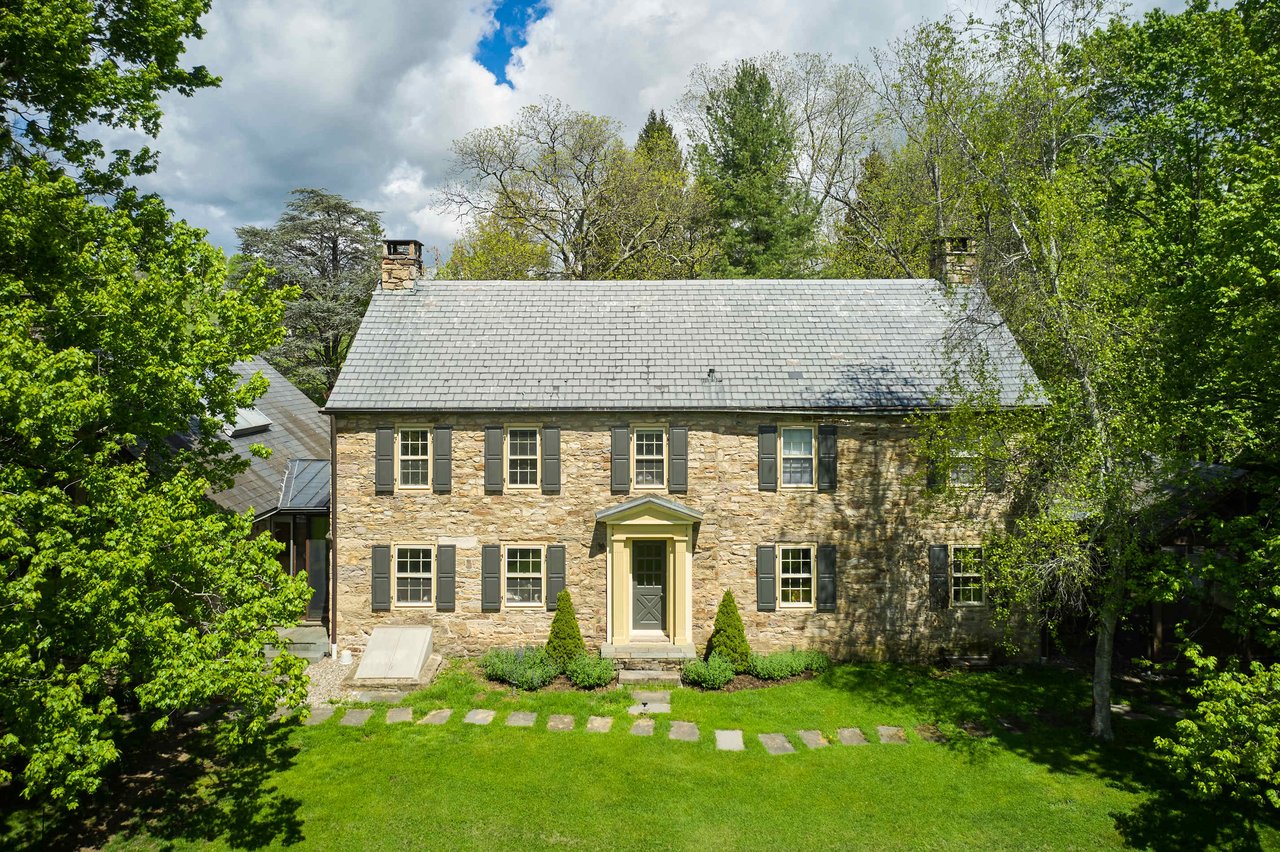
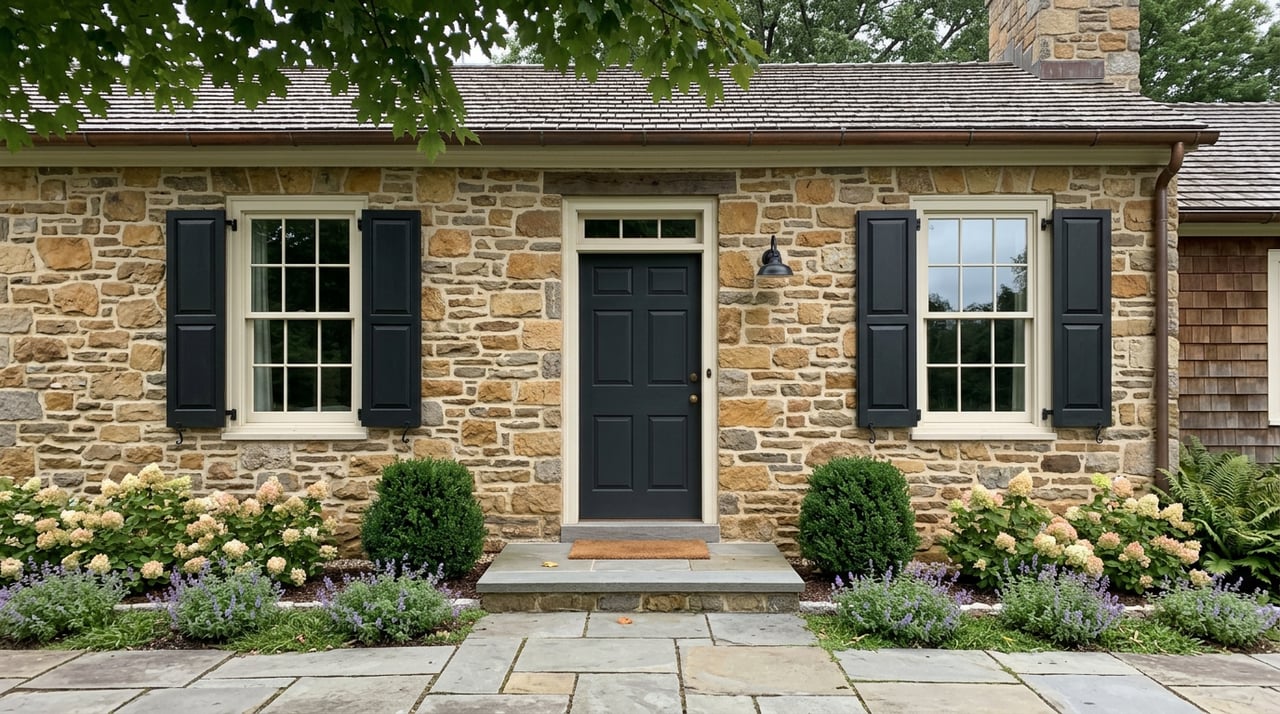
These early houses feel practical and grounded. Plans are rectangular, usually 1.5 to 2 stories, with thick fieldstone walls and steep gable roofs. Entrances are central or slightly off-center, and original windows often had small panes like 6 over 6.
What to notice:
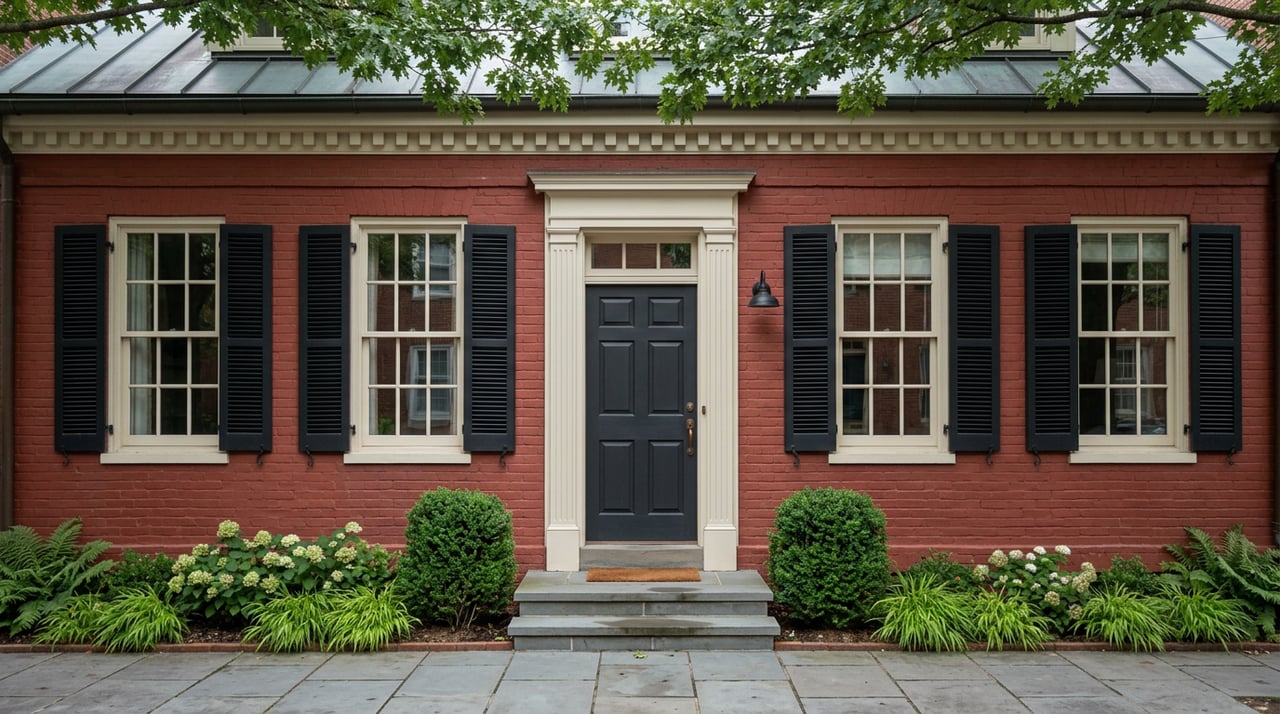
Georgian examples introduce symmetry and formality. Look for a center-hall plan, evenly spaced windows, and a paneled front door with a transom. Stonework can be more regular, sometimes coursed or ashlar.
What to notice:
Federal houses pick up where Georgian leaves off, but with lighter proportions. Windows are often taller and narrower, with fanlights or elliptical transoms. Interiors may show delicate woodwork.
What to notice:
Bankhouses use the slope to their advantage. One side sits at grade at the basement level for service or work areas, with living spaces above. They pair naturally with the region’s stone bank barns.
What to notice:
Mid-1800s romanticism brought steep gables and decorative trim to some stone cottages or remodeled farmhouses. A few examples show pointed-arch windows or carved vergeboards.
What to notice:
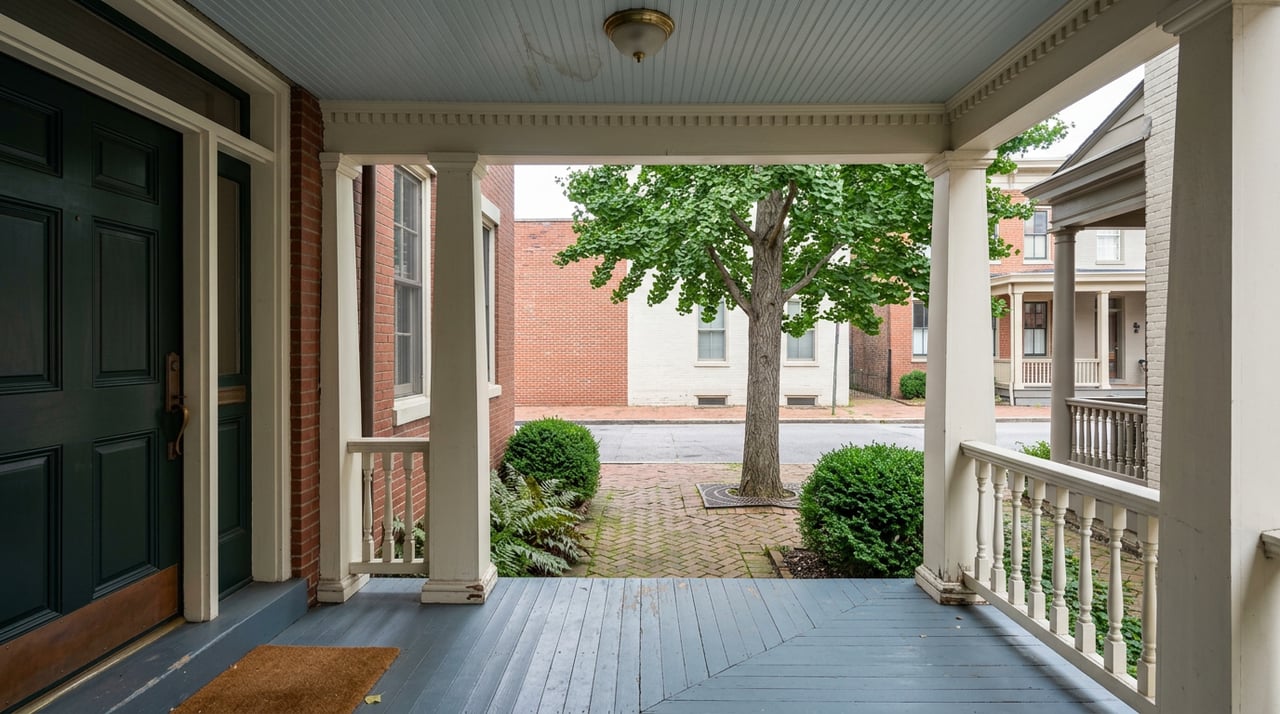
As prosperity rose, owners added porches, bay windows, and bracketed cornices to earlier stone shells. These layers tell the story of changing tastes.
What to notice:
Early to mid-1900s owners often restored or reinterpreted colonial forms. You might see reconstructed porches, traditional sash patterns, and interiors modernized while stone façades remain intact.
What to notice:
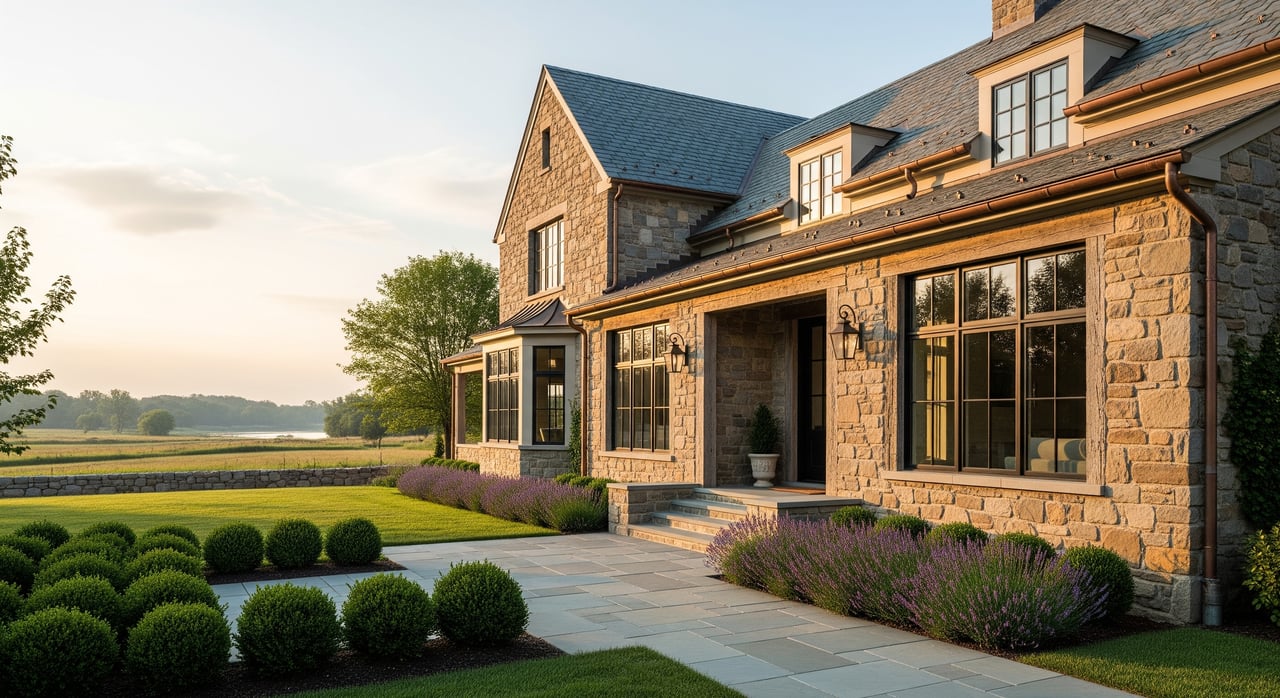
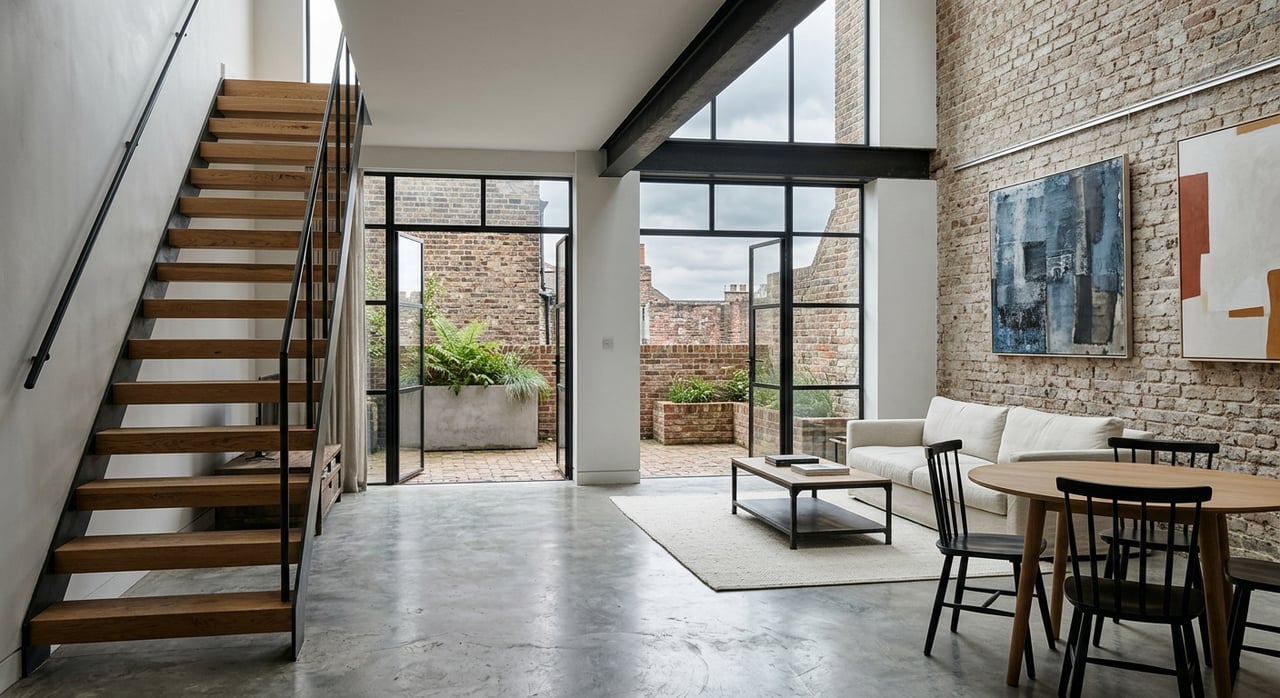
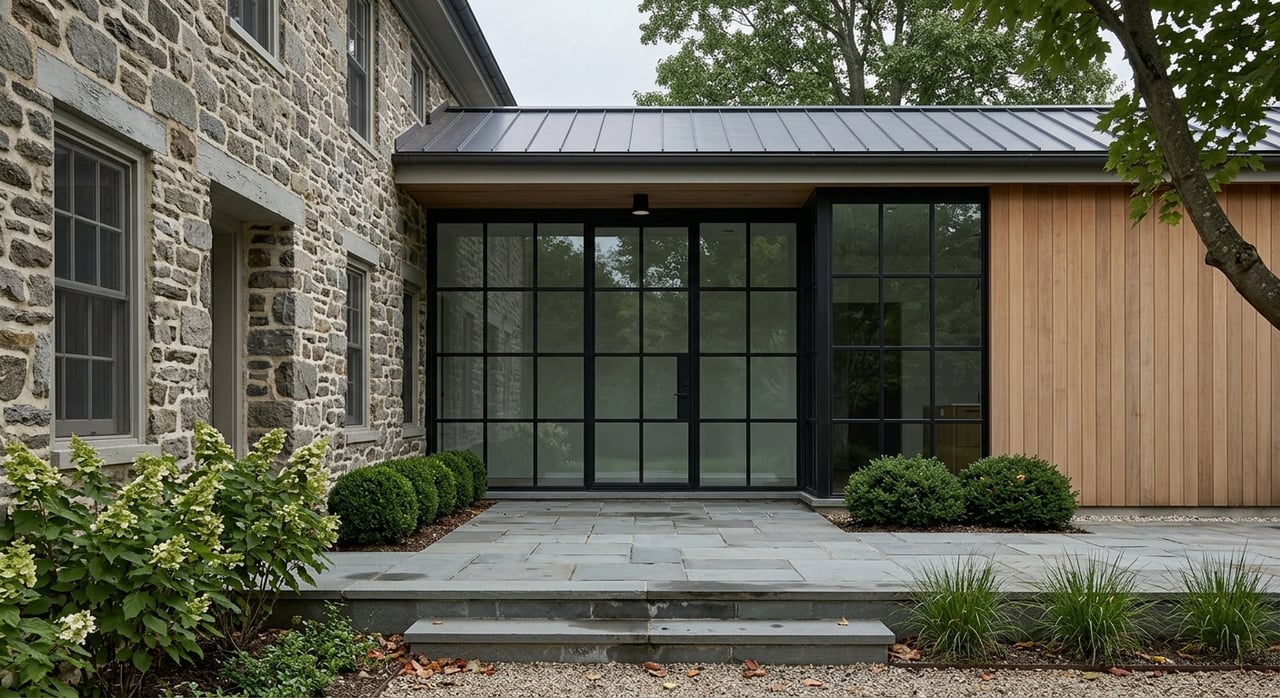
Recent decades brought barn-to-home conversions and modern wings set against original stone. Sensitive projects preserve exteriors while using glass, steel, and advanced systems inside.
What to notice:
Fieldstone and rubble masonry define the look. Historic walls were laid in lime-based mortar that breathes. Later repairs sometimes used Portland cement, which can trap moisture and cause spalling. Compatible repointing is essential for long-term health.
Gable roofs are standard. Early wood shingles gave way to slate or asphalt. Large stone or brick chimneys at the gable ends often reveal early floor plans centered on hearths and cooking.
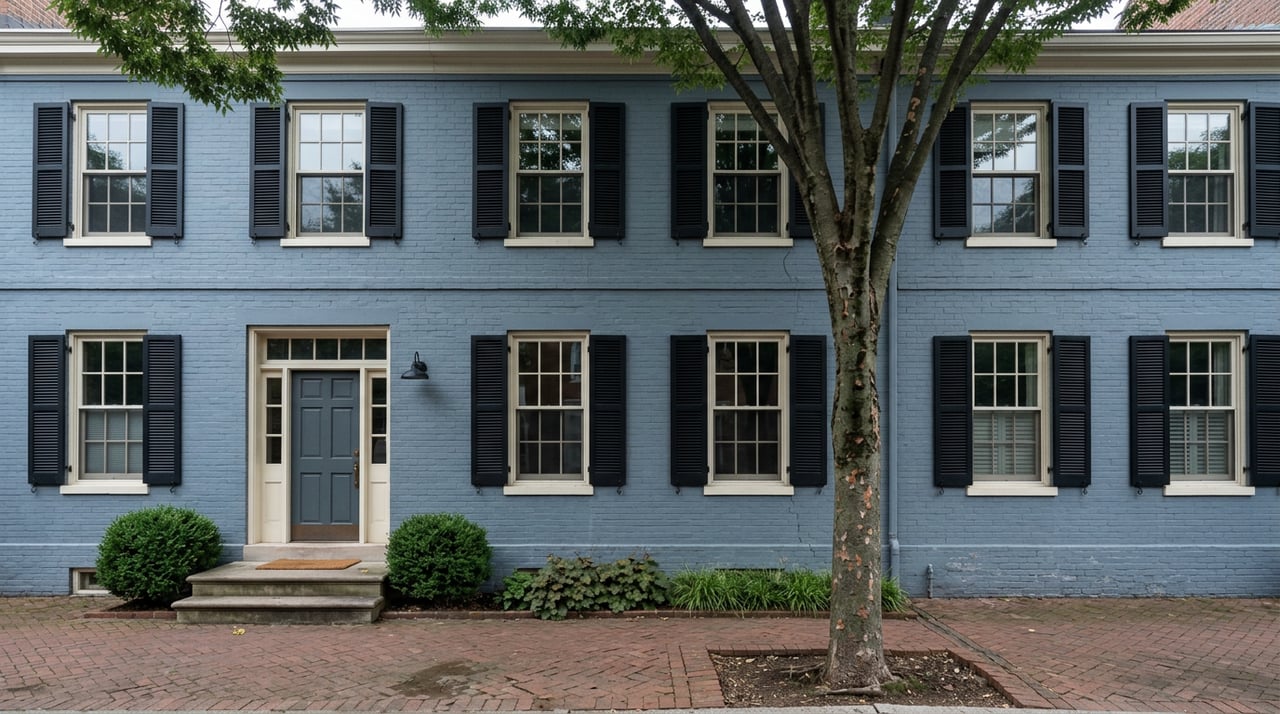
Original sash windows often featured 6 over 6 or 9 over 9 panes. Stone lintels and sills frame openings. Doors range from heavy plank to paneled, with transoms or sidelights on higher-style homes.
Stone bank barns, spring houses, springboxes, stone walls, and carriage houses contribute to the sense of place. These elements often matter as much as the main house when you assess a property’s character.
Expect timber framing, exposed beams, wide plank floors, large hearths, and historic trim. Many renovations open interiors while keeping key fabric. The balance between flow and authenticity is where good design pays off.
Solebury’s stone farmhouses are highly desirable for their character and setting. Properties that retain significant historic fabric or have sensitive upgrades often command strong interest. Location near river towns and rural vistas adds to the appeal, from the New Hope area to enclaves like North Pointe and nearby communities across Montgomery and Chester counties.
If you are buying, plan for specialized due diligence:
If you are selling, preparation supports premium results:
Historic designation can shape what you change, especially on exteriors within local districts. Review requirements with local commissions before planning additions or exterior alterations. State and federal incentives exist for certain certified rehabilitation projects, typically for income-producing buildings, and eligibility is case specific.
Durability and comfort go hand in hand with the right approach:
Authoritative guidance lives close to home. Useful starting points include the Bucks County Historical Society, the Solebury Township Historical Commission, and the Pennsylvania State Historic Preservation Office. The National Register of Historic Places and the Historic American Buildings Survey offer documentation on notable examples. County property records and local libraries in towns like New Hope and Doylestown can help you trace dates and ownership.
Whether you are stewarding a legacy farmhouse or searching for the right one, expert design guidance helps you protect character and unlock value. If you want a precise read on feasibility, presentation, and market positioning, connect with Dana Lansing for boutique, high-touch representation.
Stay up to date on the latest real estate trends.
Dana's many repeat clients are a testament to the experience she brings to the process and the level of service she provides. With her knowledge of the market, she can also help clients understand what improvements make financial sense.