New Hope Riverfront Homes: A Buyer’s Guide
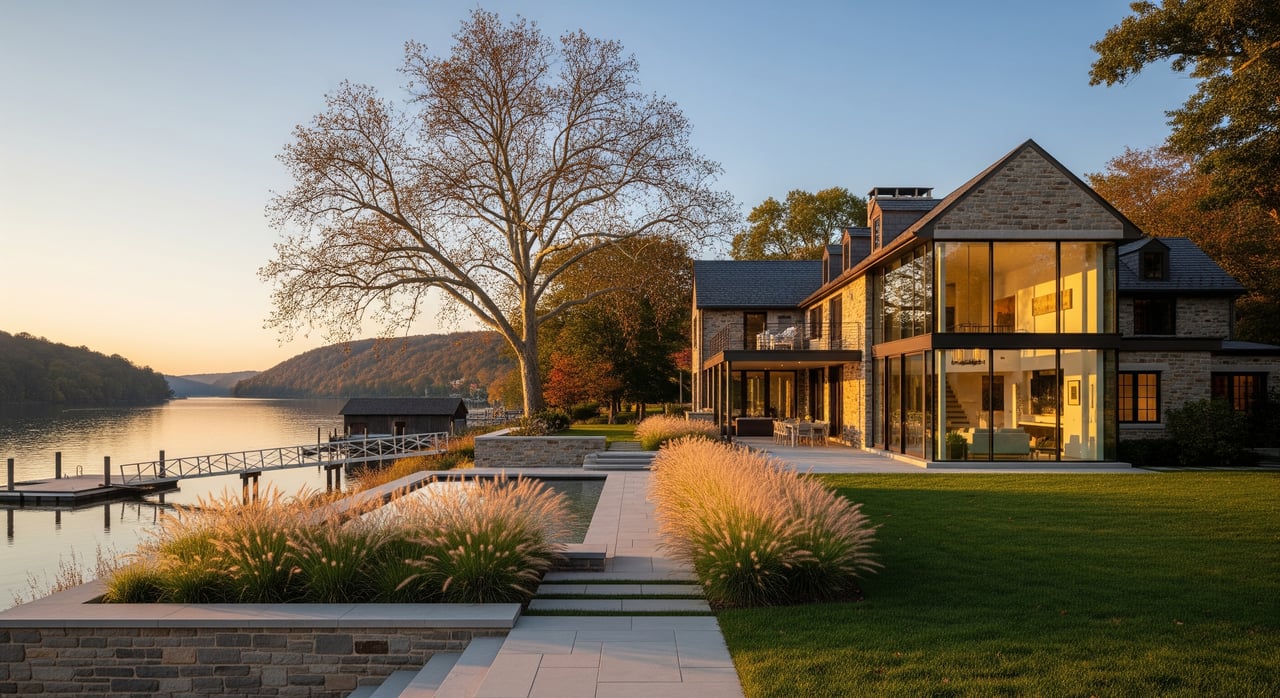
Imagine waking up to the Delaware River just beyond your windows, coffee in hand, as the water moves by at an easy pace. Buying a riverfront home in New Hope can deliver that experience, but it also asks for smart planning. Flood zones, insurance, shoreline permits, and the character of each stretch of river all matter. This guide walks you through what to look for, how to verify risk, and which features support long‑term value so you can buy with confidence. Let’s dive in.
New Hope sits on the Pennsylvania side of the Delaware River with Lambertville, New Jersey across the bridge. The borough combines historic architecture, an arts scene, and a walkable downtown of restaurants and galleries. Many buyers come for a second home or weekend retreat and stay for the lifestyle.
Riverfront parcels range from compact lots right on the water to larger properties set back along River Road and nearby streets. Walkability to downtown and the Delaware Canal towpath increases day‑to‑day enjoyment and tends to support value over time. If you plan to live full time, verify local governance and taxes early. Confirm whether a property is inside New Hope Borough and check county and municipal tax details with official records.
Flood risk shapes everything about a riverfront purchase. New Hope parcels may be inside FEMA’s Special Flood Hazard Areas, often labeled Zones A or AE, or they may be in Zone X. The Base Flood Elevation (BFE) sets the 1% annual chance flood level used for building rules and insurance.
If a home sits in a Special Flood Hazard Area, most mortgage lenders require flood insurance. An Elevation Certificate documents how the home’s key elevations relate to the BFE and is often needed for insurance quotes and underwriting. Ask for one early, and if it’s missing, plan to order it with a licensed surveyor.
You can verify risk by checking FEMA’s Flood Map Service Center, reviewing U.S. Geological Survey streamgage data for local high‑flow history, and asking the borough for any recorded flood losses. These sources build a clearer picture of frequency, depth, and past events tied to the specific site.
Flood insurance usually comes from the National Flood Insurance Program (NFIP), though private flood insurers may offer alternatives depending on elevation and claims history. Premiums are influenced by several factors:
If you are buying a second home, know that some lenders and insurers apply different terms to seasonal use. Many carriers also require winterization. Ask the seller for a 7–10 year claims history and verify whether the home has any repetitive or severe repetitive‑loss designation.
Riverfront changes often trigger permits. Municipal floodplain ordinances can require freeboard above BFE, limit finished living space below certain elevations, and require mechanicals to be raised. FEMA map updates and Letters of Map Amendment or Revision may change a property’s obligations or insurance options, so confirm the current mapping status.
Depending on the work, multiple agencies may be involved. The Delaware River Basin Commission oversees regional waterway rules. The Pennsylvania Department of Environmental Protection regulates waterway obstructions, erosion control, and certain earthwork. The U.S. Army Corps of Engineers permits activities in navigable waters and wetlands. You should also coordinate with New Hope Borough planning, zoning, and building departments for local rules and approvals.
Certain features consistently support long‑term value along the river:
On the other hand, finished basements below BFE, documented shoreline instability, low‑lying access roads that flood, and utilities installed below flood elevations can create recurring costs and hinder resale. Treat these as caution flags that warrant deeper inspection and pricing adjustments.
Each segment of the New Hope shoreline trades different benefits:
As you compare homes, rate each property for elevation, view quality, distance to downtown, the presence and condition of shoreline structures, flood history, lot size and vegetation, and any zoning or historic restrictions.
Shorelines on the Delaware are dynamic. If the property shows erosion or you plan improvements, know how bank stabilization and access structures are handled.
Wetlands, conservation easements, and stormwater rules may limit where and how you can build. If a parcel includes regulated habitat or an easement, factor that into future plans and appraisal comparisons.
Use this short checklist early in your search and update it for each property you tour.
Flood zone and elevation
Local rules and permits
Architecture and systems
Shoreline and access
Financing and insurance
Contract protections
After closing
Create a simple scorecard for each property you tour:
This quick comparison helps you weigh design appeal against practical risk and cost.
Buying on the Delaware is both art and due diligence. You want the view and the experience, and you also want to protect your investment. A design‑forward perspective helps you see which architectural details will endure and how to plan smart upgrades that improve livability and insurance footing.
With architectural training and deep knowledge of Bucks County riverfronts, a trusted advisor can help you evaluate elevation, materials, drainage, and the feasibility of shoreline or dock improvements before you commit. The result is a confident offer, a smoother permit path, and a home you can enjoy with clarity about risk and value.
Ready to refine your search and buy with precision? Connect with Dana Lansing for tailored guidance and access to curated New Hope riverfront opportunities.
Stay up to date on the latest real estate trends.
Dana's many repeat clients are a testament to the experience she brings to the process and the level of service she provides. With her knowledge of the market, she can also help clients understand what improvements make financial sense.