Princeton In-Town vs Estate Living: A Buyer’s Guide
Trying to choose between a charming, walkable Princeton address and the privacy of a larger estate? You’re not alone. Many buyers weigh daily lifestyle, architecture, commute options, and long-term value before they decide. This guide breaks down the differences so you can buy with clarity and confidence. Let’s dive in.
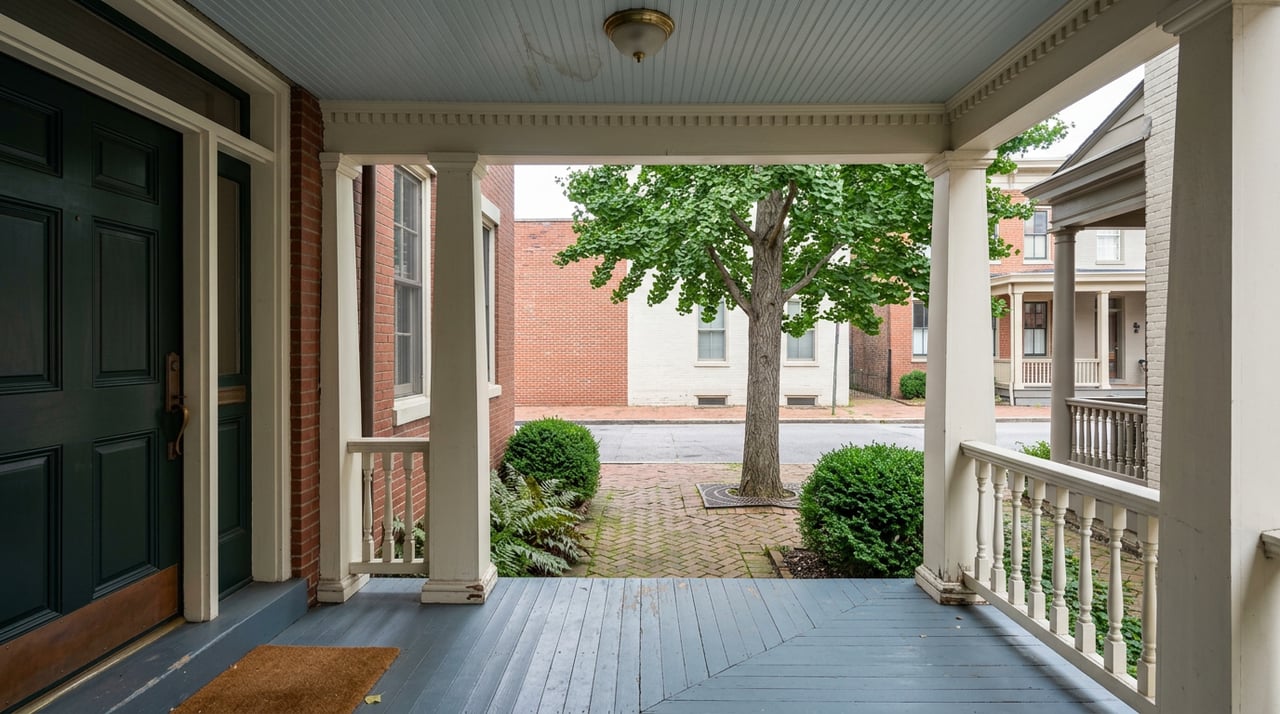
Living in central Princeton puts you close to shops, restaurants, cultural venues, and services. Many residents walk or bike to work, the university, and local errands. Street life feels active, with sidewalks, seasonal events, and steady evening activity. Yards tend to be smaller, and parking can be limited for both residents and guests.
On the town’s perimeter, you gain space, privacy, and room for outdoor amenities. Larger lots can support gardens, pools, outbuildings, and in some areas, equestrian needs. Evenings are quieter, and you’ll have more buffer from nearby homes. The trade-off is greater car dependence for daily errands and commuting.
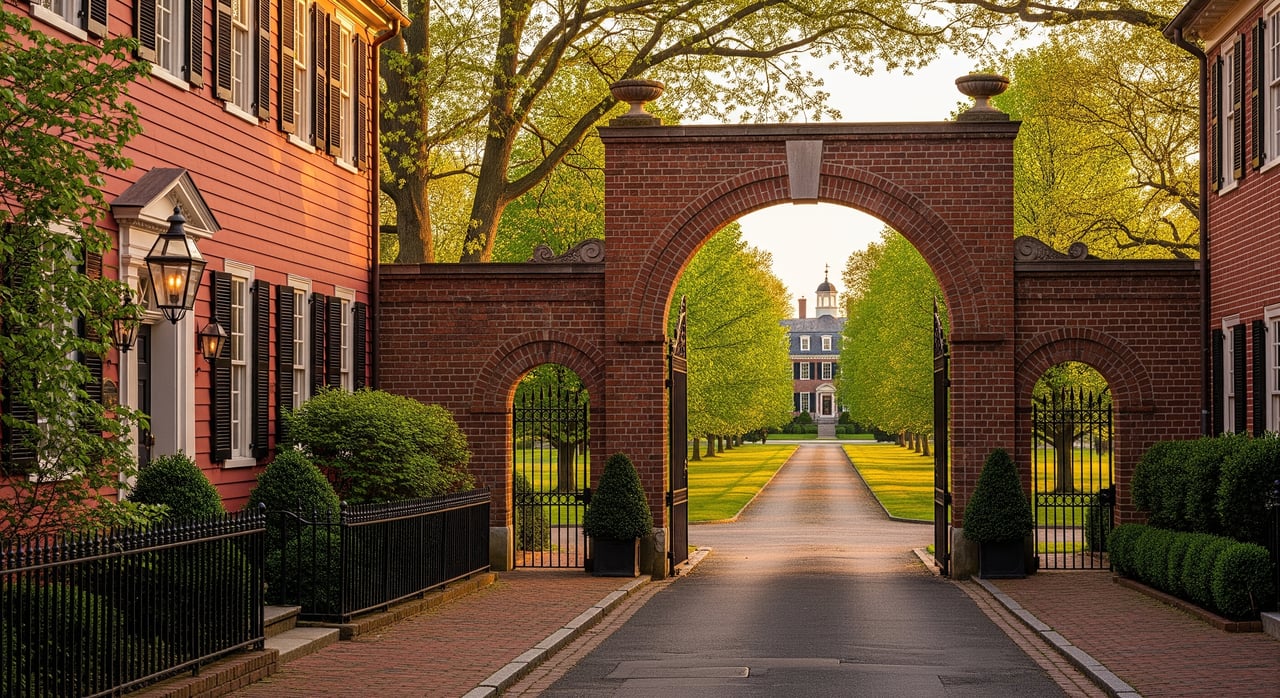
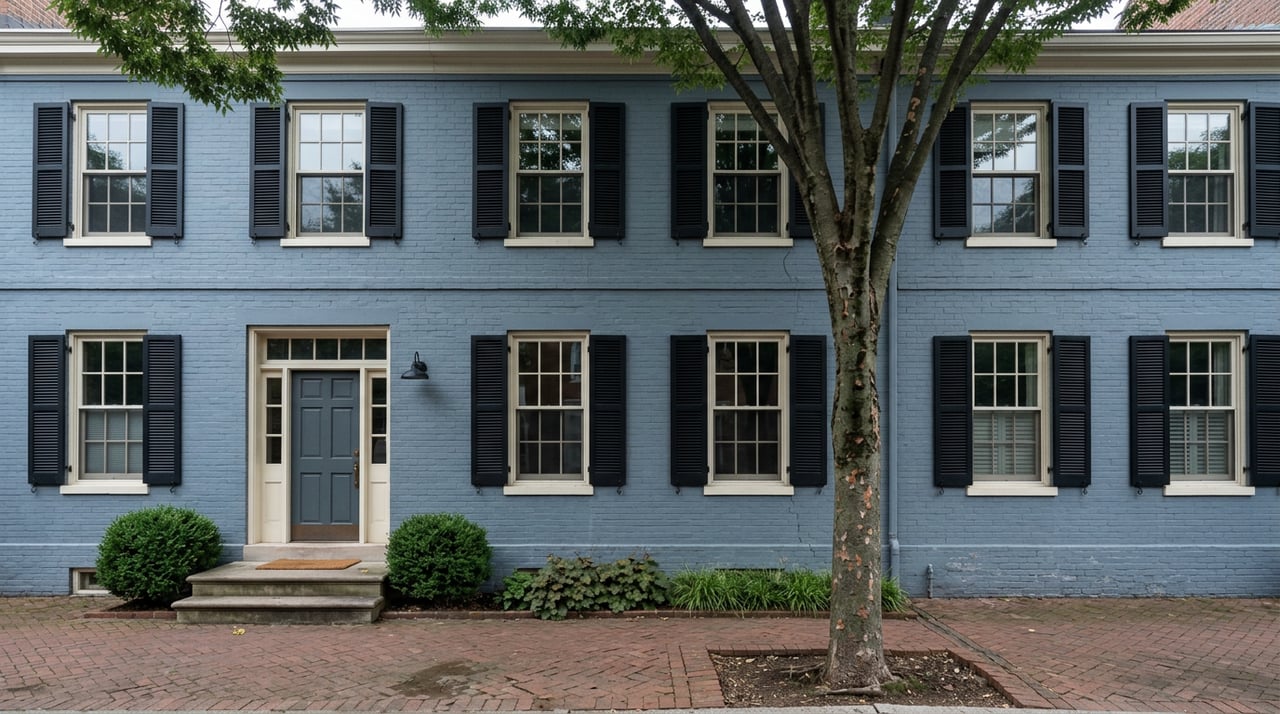
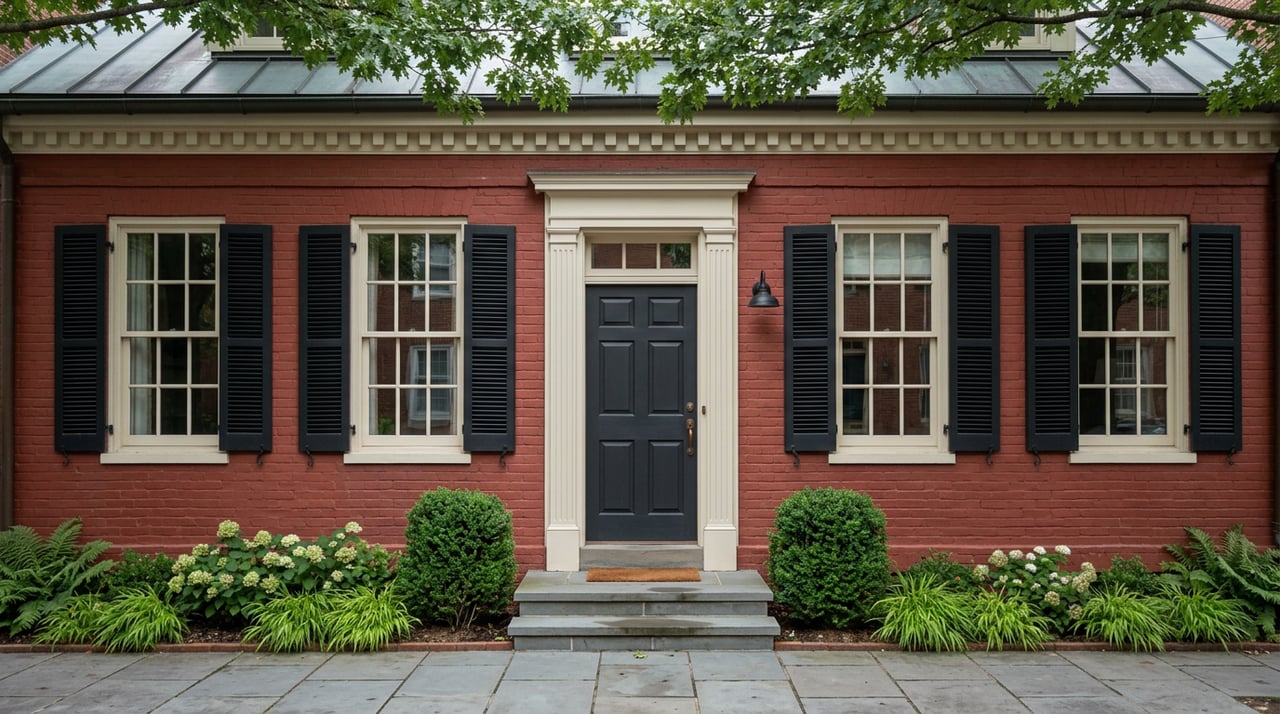
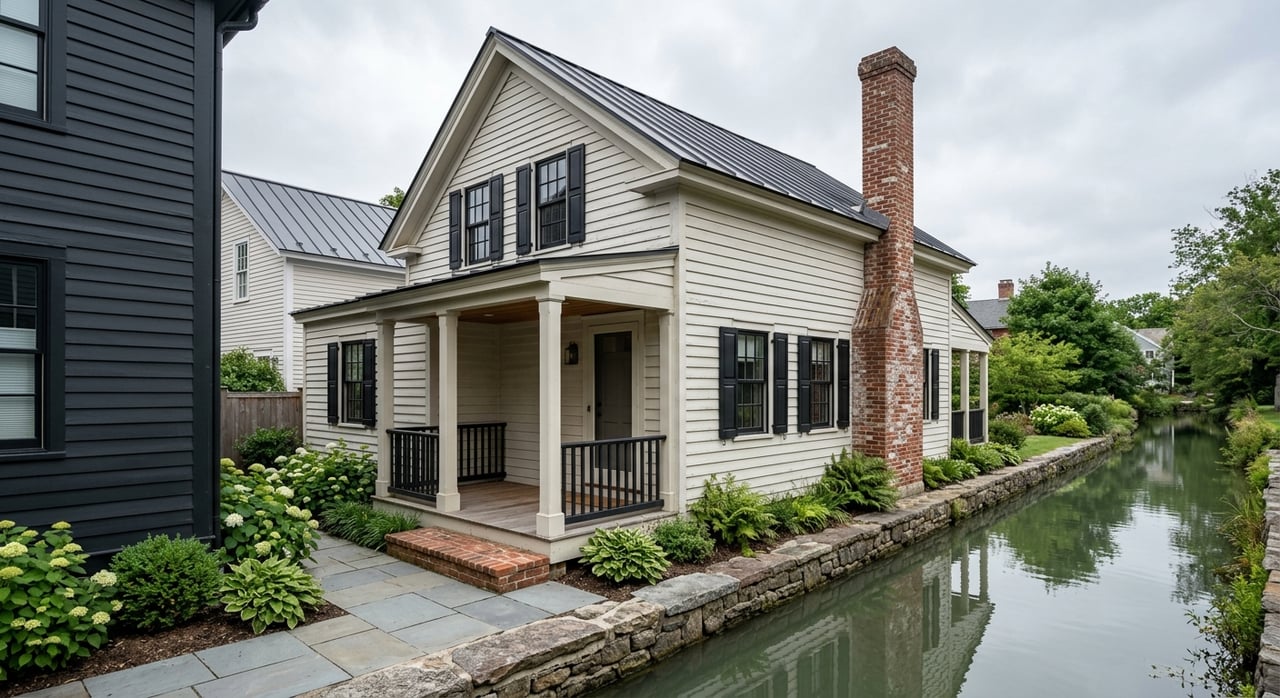
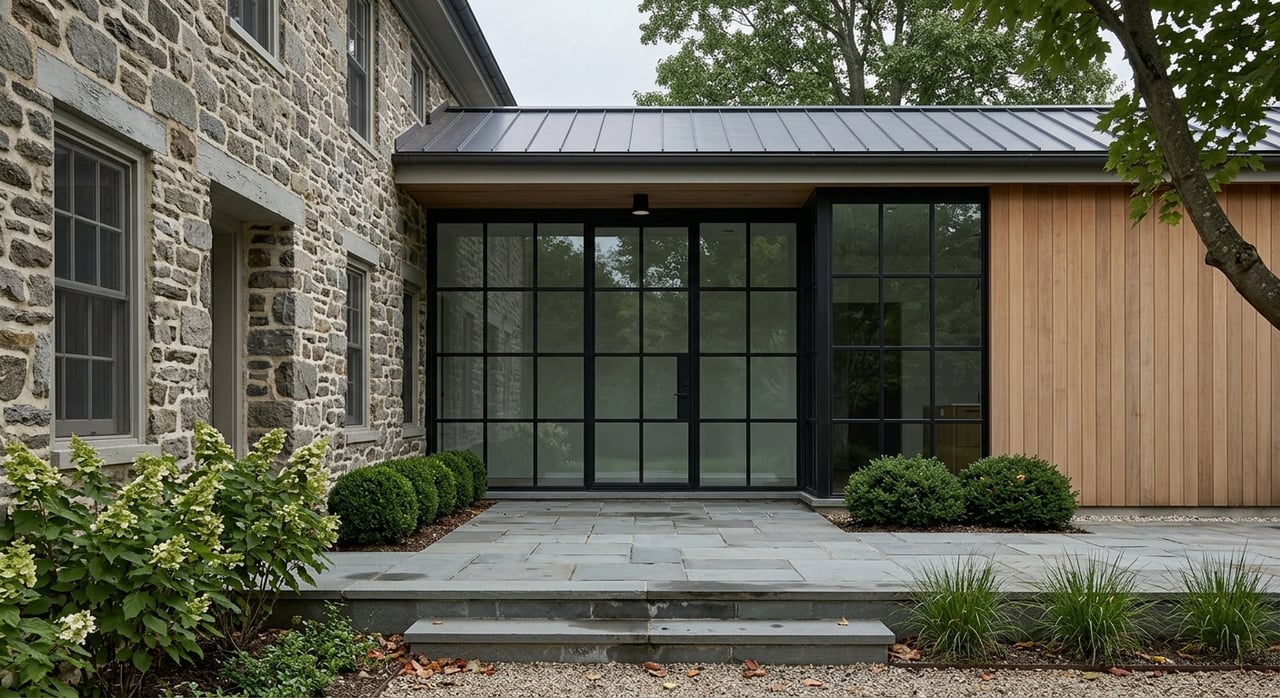
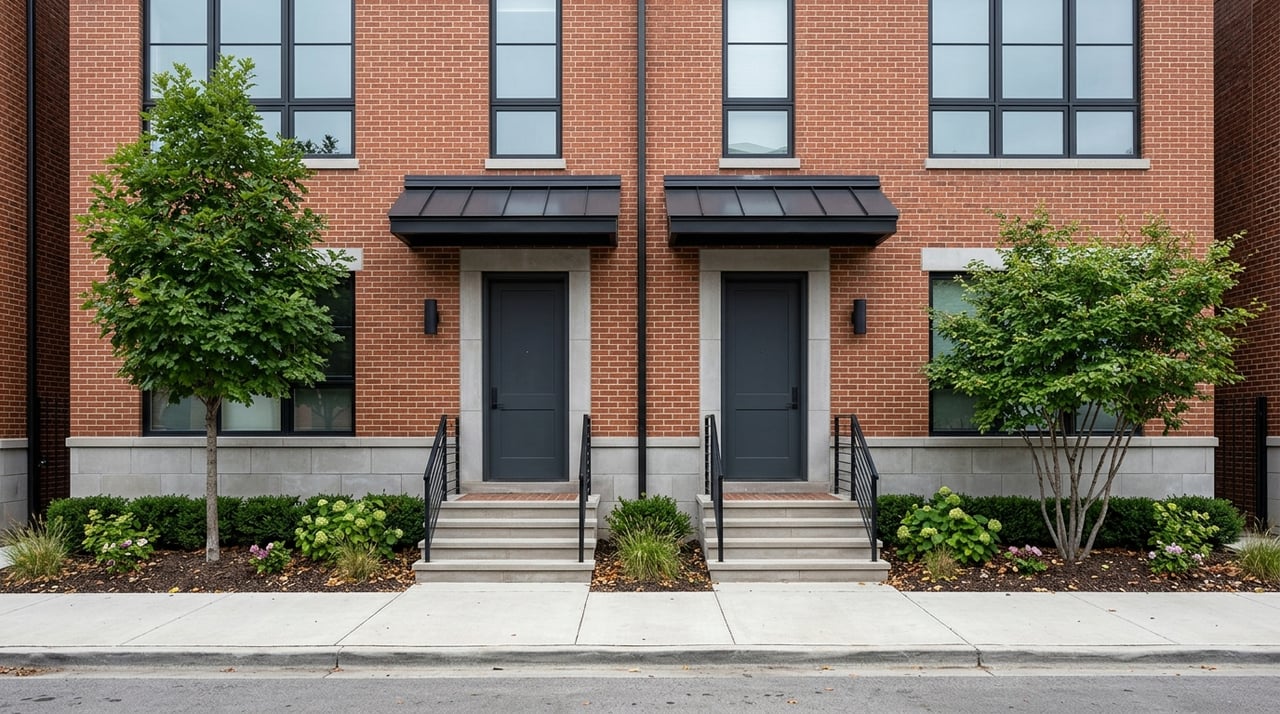
Expect rowhouses, townhouses, small to mid-sized historic homes, and apartments above commercial spaces. Styles often include Colonial, Georgian, Federal, Victorian, Tudor revival, and Shingle. Many properties feature period details like wood trim, plaster walls, and tall windows. Lots are smaller, and homes sit closer to the sidewalk.
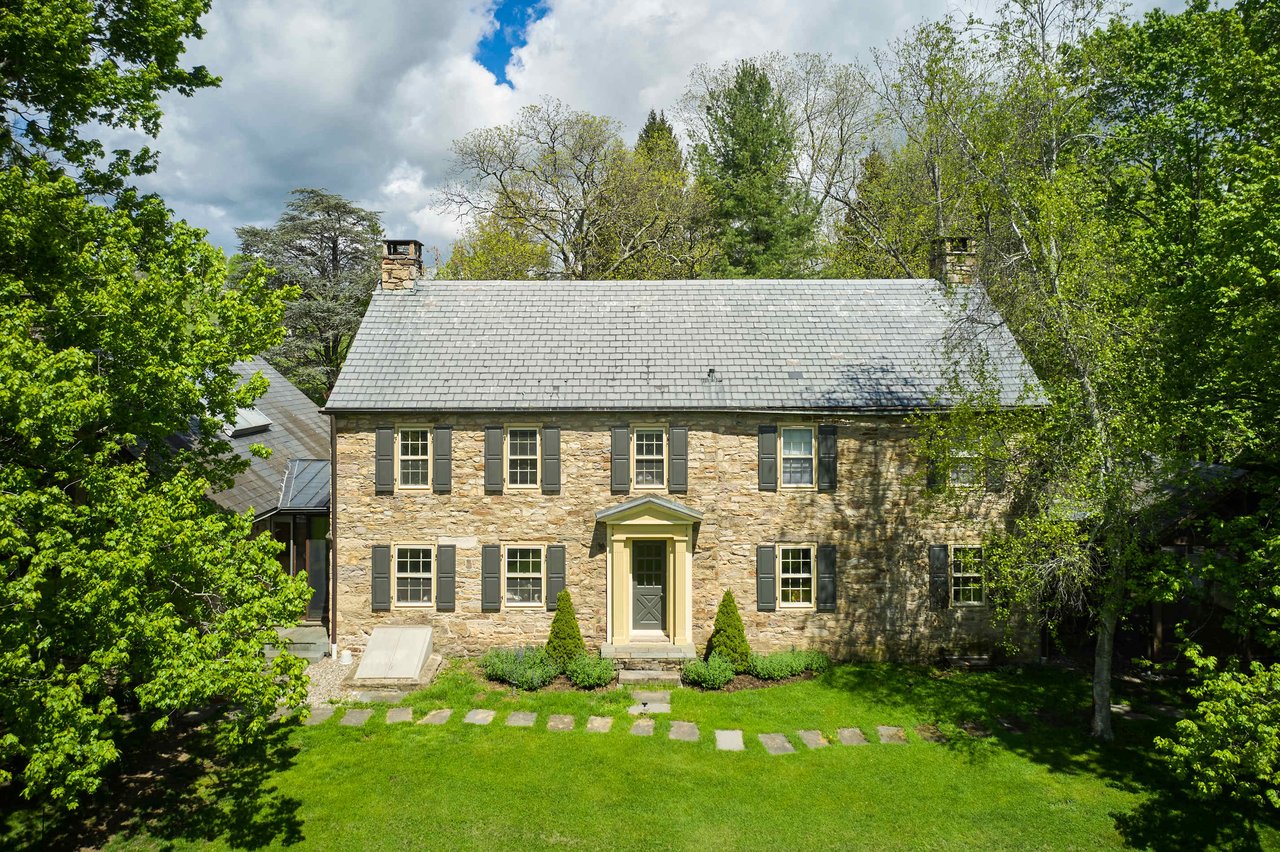
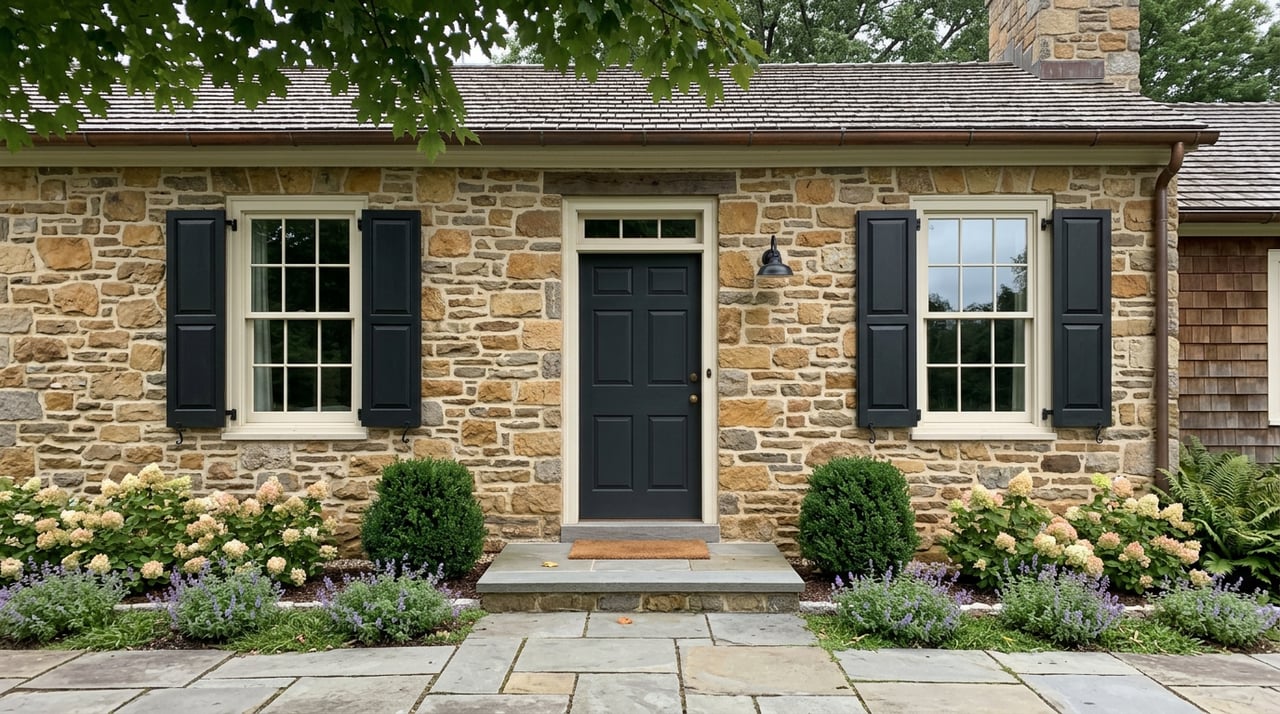
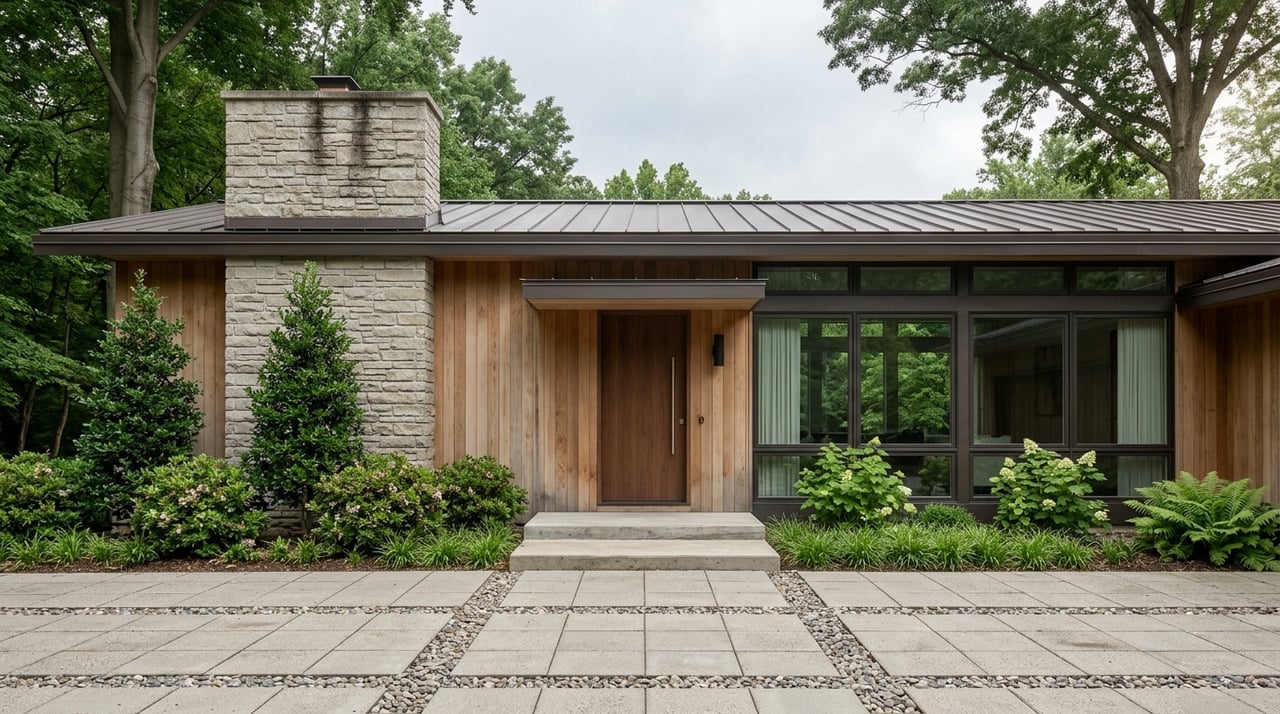
You’ll see large detached homes, custom builds, renovated farmhouses, Colonial revival mansions, mid-century estates, and occasional equestrian properties. Architecture ranges from Georgian and Tudor to contemporary and modernist. Larger parcels run from quarter-acre to multiple acres, sometimes with conservation easements that protect views and limit future subdivision.
In-town homes often command higher per-square-foot prices due to location and scarcity. Estate properties can offer more square footage at a lower per-square-foot cost, but the total purchase price is typically higher because of size and land. Condition, upgrades, and acreage influence both segments.
Central Princeton usually has tighter inventory and broad demand, including professionals, downsizers, and buyers who value walkability. Estates attract a more specific audience seeking space, privacy, and amenities, which can lengthen marketing time. Well-maintained historic homes and updated townhouses downtown generally resell well; top-tier estates can be trophy properties that move when priced and presented correctly.
In the historic core, renovations should respect period character and may require review. On the perimeter, you often have more flexibility for additions, outbuildings, and modern expansions. Always verify zoning, easements, and approvals before planning major work.
Princeton benefits from NJ Transit access via the Princeton Branch “Dinky” shuttle to Princeton Junction, with frequent Northeast Corridor service to regional hubs. Many in-town residents walk to the Dinky or bike around town; some drive to Princeton Junction for rail. On the perimeter, daily life leans more on the car, and drive times to downtown and stations can be longer, especially during school and seasonal traffic. Major area routes include U.S. Route 1, I-295, and access to the New Jersey Turnpike.
Princeton’s historic core is subject to preservation review for exterior changes, demolitions, and certain additions. The municipality consolidated in 2013, so zoning and permitting run through unified Princeton government. Before you buy, confirm if a property is in a historic district and what approvals are required.
In-town addresses typically have municipal water and sewer, though you should verify for any specific property. Perimeter estates may use municipal utilities or rely on private wells and septic systems. Private systems add inspection, maintenance, and potential replacement timelines to your planning.
Property taxes in Mercer County and Princeton are a meaningful ongoing expense. Insurance premiums vary based on replacement value, outbuildings, pools, and system types. In-town older homes may need periodic system upgrades and façade care. Estates often require larger-scale landscaping, driveway upkeep, seasonal services, and shared private road maintenance where applicable.
Many in-town and perimeter addresses feed into Princeton Public Schools, though exact assignments depend on the property address and should be verified with the district. Private and regional prep schools are also options. In-town locations place you close to restaurants, cultural institutions, and some medical offices, while larger hospitals and specialty care are a short drive away.
If you want a yard without giving up convenience, some neighborhoods near the core offer larger lots within a short drive or bike ride to downtown. These hybrid pockets can balance privacy with access. Availability varies, so watch inventory closely and be ready to act when a good fit appears.
Use these trade-offs to guide next steps:
When you’re ready to compare specific properties, bring your questions and your wish list. A focused search that weighs architecture, location, and long-term costs will help you choose with confidence. For private advisement, curated tours, and renovation-minded insight, connect with Dana Lansing to Request Your Private Home Valuation and begin your next move.
Stay up to date on the latest real estate trends.
Dana's many repeat clients are a testament to the experience she brings to the process and the level of service she provides. With her knowledge of the market, she can also help clients understand what improvements make financial sense.