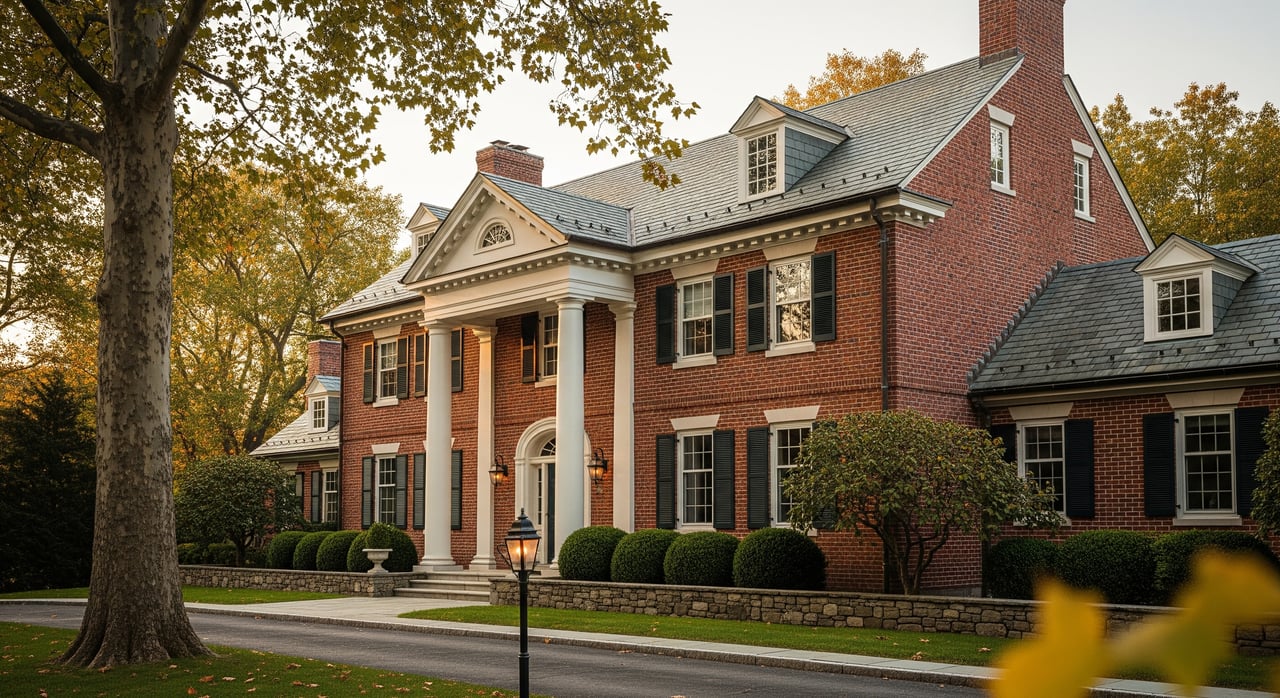
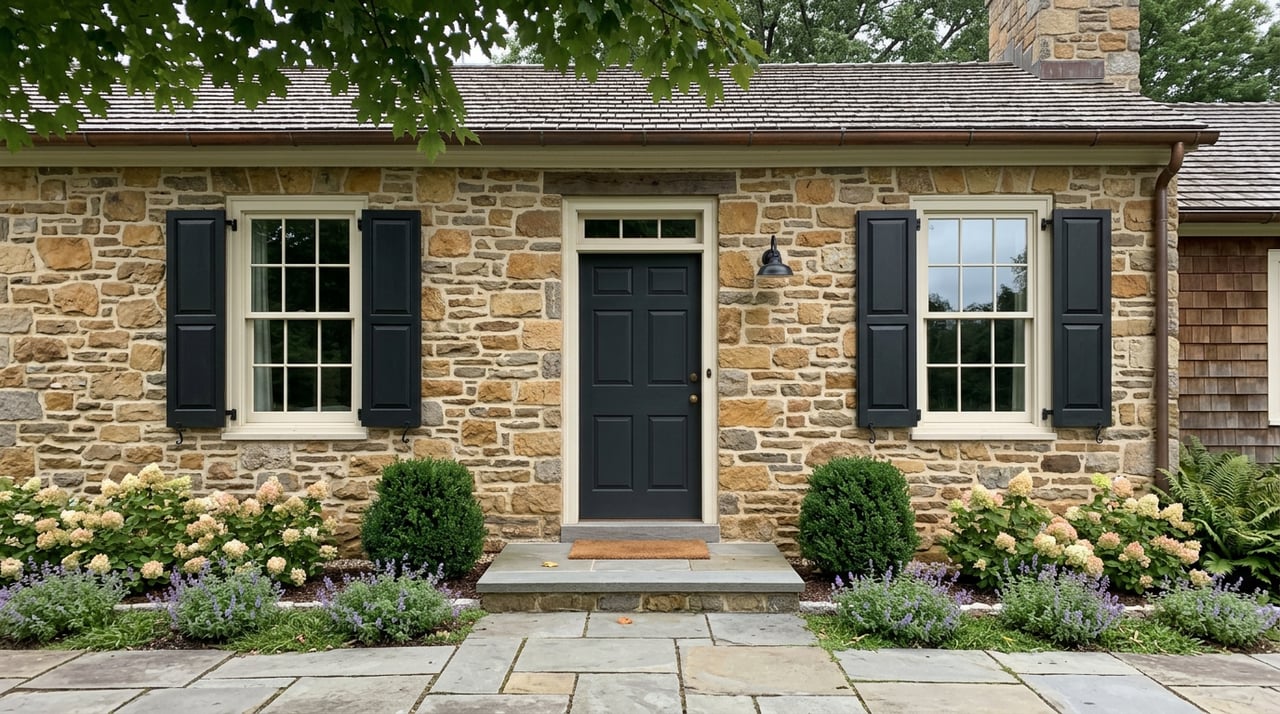
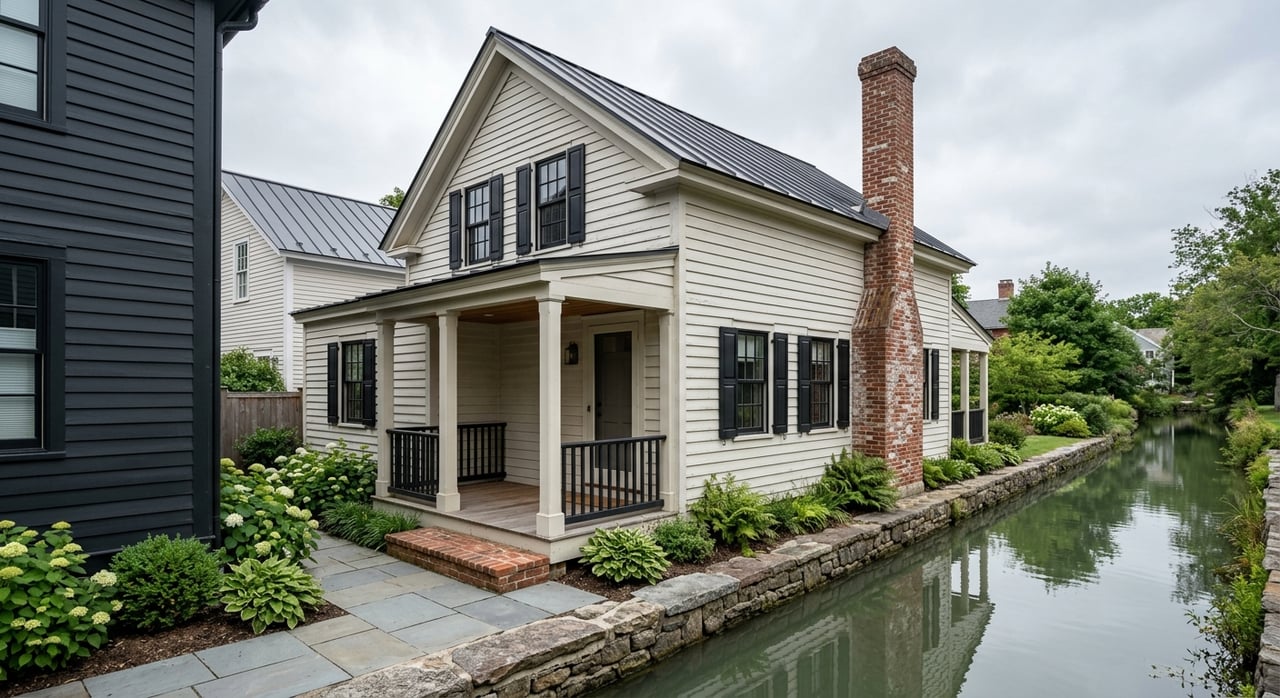
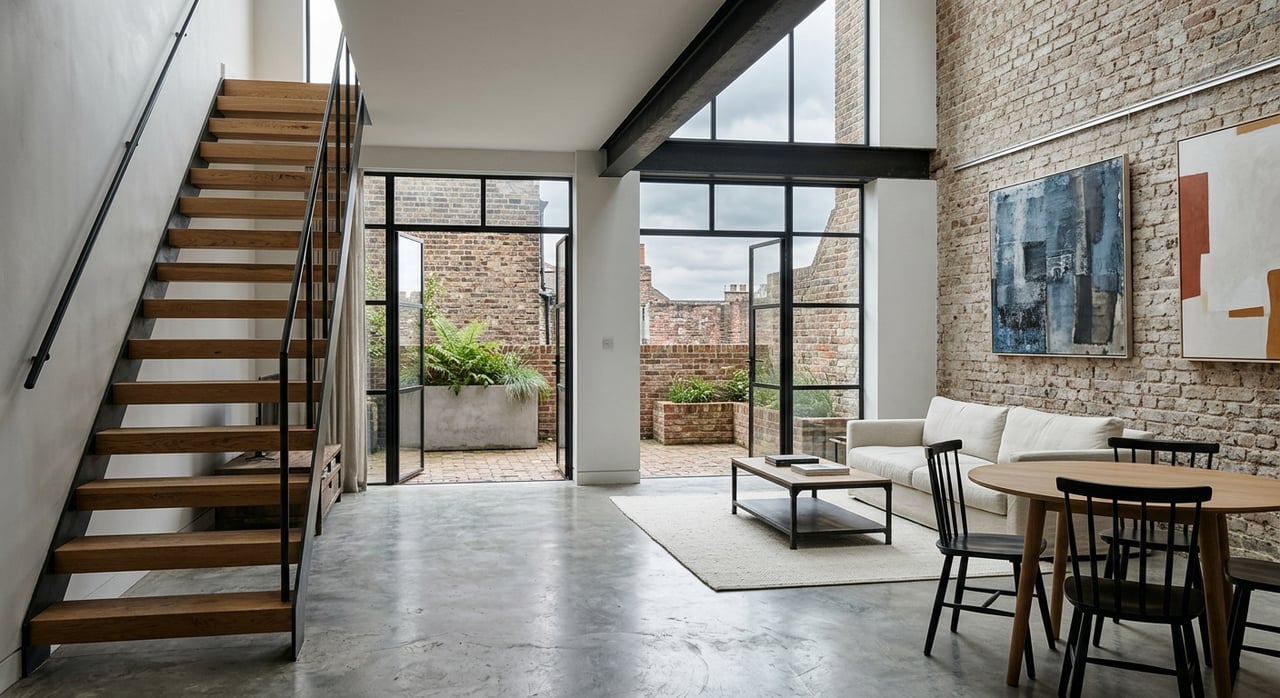
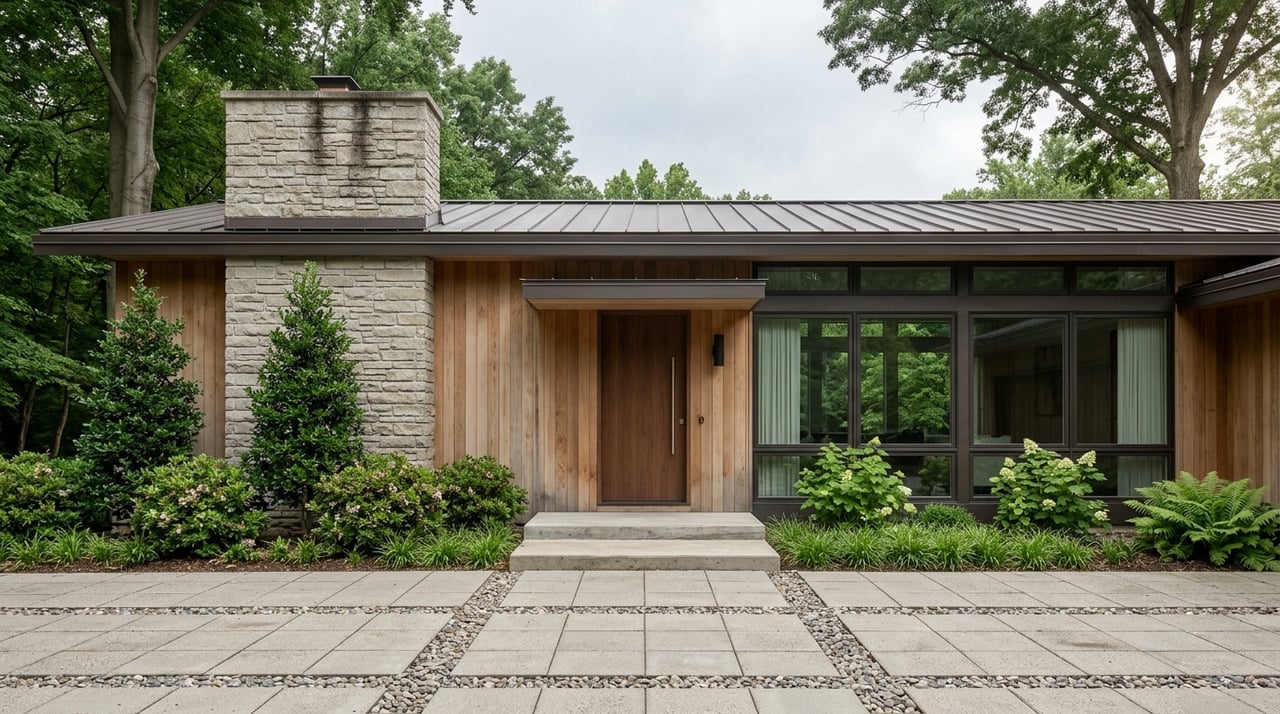
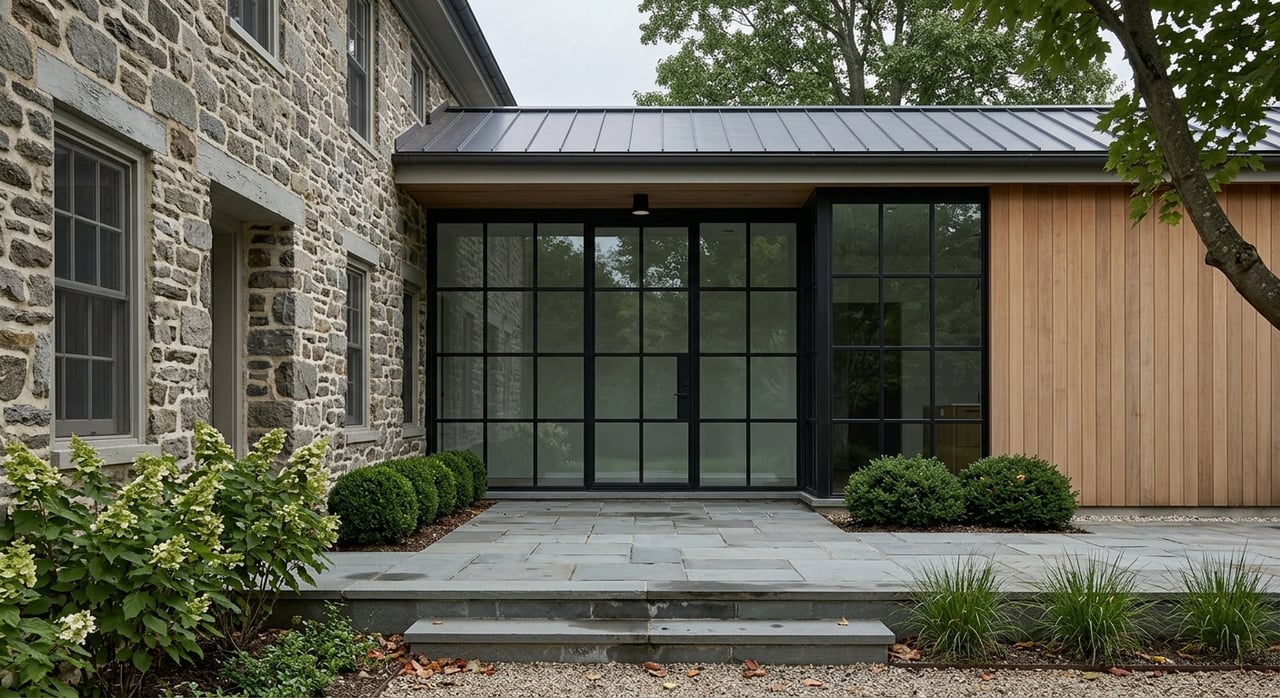
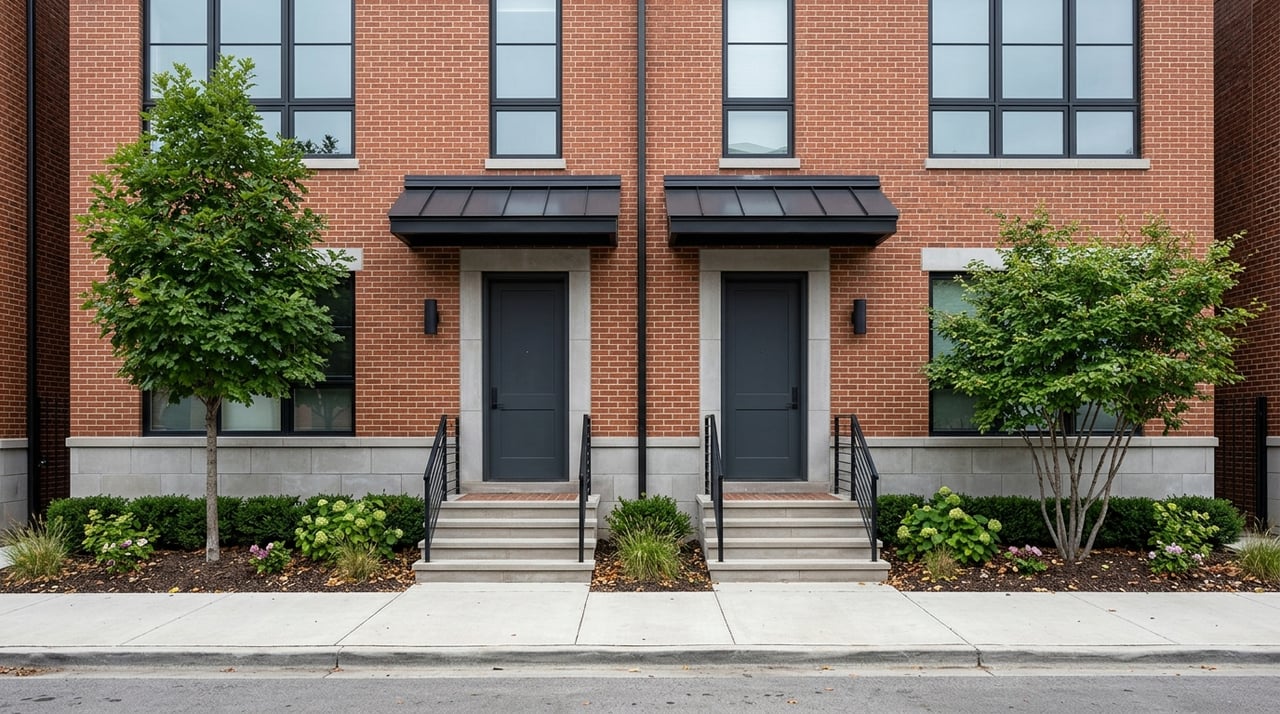
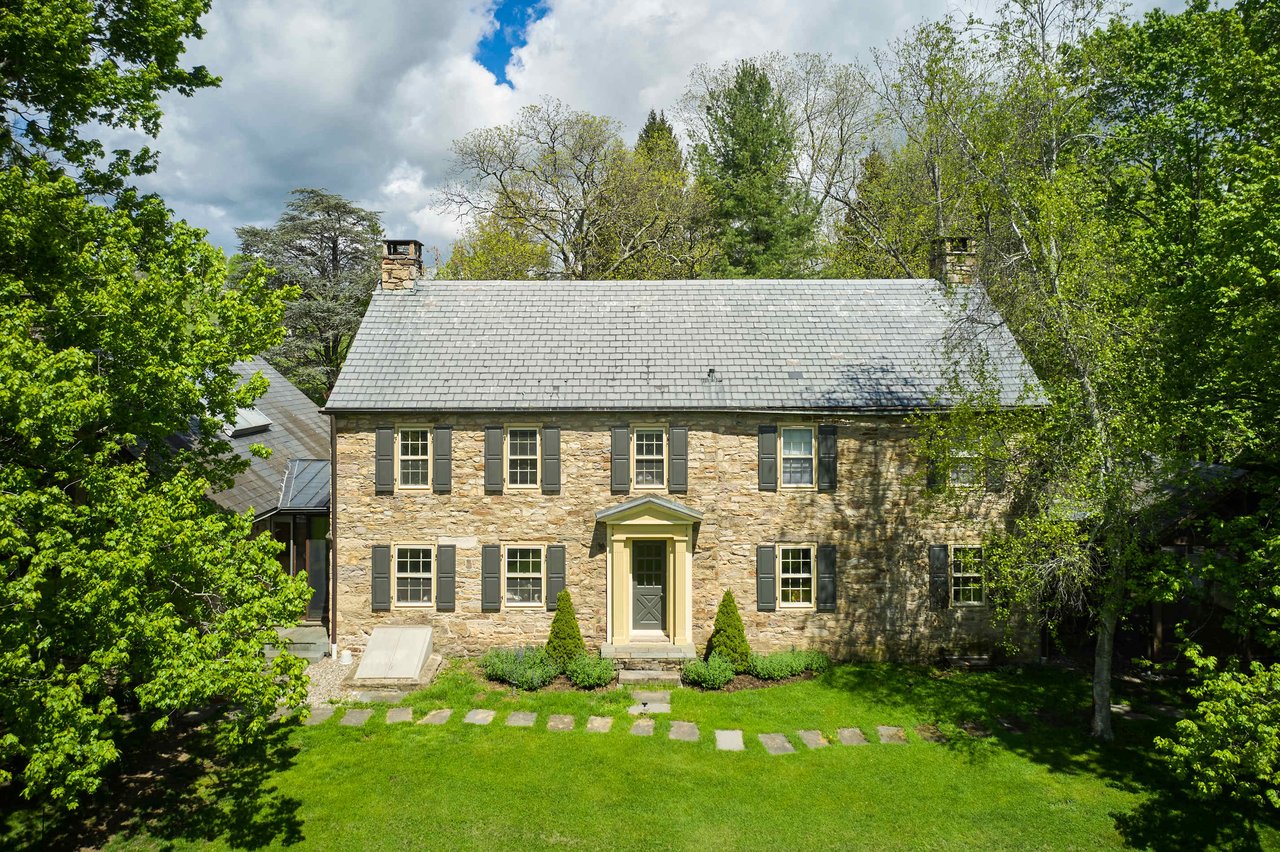
Thinking about selling a distinctive home in Newtown? Whether your property is a refined estate or a historic treasure, you want a plan that honors its character and maximizes its value. You also want clarity on what today’s buyers expect and how to reach them. This guide gives you a step-by-step approach to prepare, price, and market your luxury or historic home for the best outcome. Let’s dive in.
Why Newtown draws luxury and historic buyers
Newtown Borough and Newtown Township combine early-American architecture, a walkable Main Street, and tree-lined neighborhoods with easy access to Philadelphia and the I-95 corridor. Nearby outdoor amenities, including Tyler State Park and the Washington Crossing area, add to the appeal. Local public schools serve the community through the Council Rock School District, which many buyers research as part of their move.
Who is your likely buyer
- Local move-up buyers seeking a refined suburban or semirural lifestyle.
- Empty-nesters and downsizers who value lower maintenance with historic charm.
- Out-of-area professionals from Philadelphia, Montgomery or Chester Counties, and the NYC metro looking for a commuter base or weekend retreat.
- Design-minded buyers who appreciate period architecture and original details.
- Investors or renovators when appropriate, though properties in designated historic areas may have limits on exterior changes.
What buyers value: luxury vs. historic
Luxury home priorities
- Updated kitchen and baths with high-end finishes and fixtures.
- Reliable mechanical systems, zoned HVAC, and smart-home features.
- Amenity-driven living, including outdoor entertaining areas and pools.
- Privacy, security, and documented maintenance for peace of mind.
Historic home priorities
- Authenticity and the integrity of character-defining elements like moldings, mantels, original floors, and windows.
- Sensitive modernization that respects the home’s period while improving function.
- Documentation of provenance, past renovations, and any recognized historic status.
- Clear guidance on energy efficiency options that preserve original materials, such as appropriate storm windows.
Shared presentation essentials
- Professional photography that captures interiors, exteriors, twilight ambiance, and close-ups of architectural details.
- Floor plans and room dimensions that help buyers visualize flow and scale.
- Clutter-free, neutral staging that highlights features and sight lines.
Prepare with inspections and repairs
A pre-listing check saves time and protects your negotiating position. Prioritize high-value, high-risk items and disclose known conditions upfront.
- Structure and foundation, including masonry and any settling.
- Roof, flashing, gutters, and drainage to manage moisture.
- Electrical, noting any knob-and-tube or ungrounded wiring in older homes.
- Plumbing, including galvanized lines or potential lead components.
- HVAC age and performance, with attention to zoning for larger homes.
- Chimneys and fireplaces checked for era-specific repair needs.
- Windows, including operability and any energy-efficiency upgrades that preserve original fabric.
- Hazardous materials common in older homes, such as lead paint or asbestos, addressed by qualified professionals.
- Pools, spas, and ponds, with current service records and safety compliance.
Compile documentation and provenance
Create a property dossier that buyers and appraisers can trust. Include permits, renovation records, service contracts, original plans or photos, and prior appraisals if available. If your home has a local or national historic designation, add the designation paperwork and any design review conditions that carry forward.
Price with precision
Unique homes rarely fit into standard pricing models. Limited comparable sales, one-of-a-kind features, and historic status can complicate valuation. A data-backed strategy that blends local comps, replacement-cost context, and documented upgrades will help you set a confident price.
Agents commonly pull multiple data points, starting with recent sales in Newtown, then expanding to nearby Bucks County towns such as Yardley, Doylestown, Langhorne, and New Hope. When necessary, they also review comparable properties in neighboring communities across Delaware, Montgomery, and Chester Counties. Expect a range-based pricing discussion that reflects condition, acreage, and distinctive features like barns, carriage houses, or pools.
Appraisal and financing realities
- Appraisers need comps that match vintage, lot size, condition, and updates, which can be scarce for one-of-a-kind properties.
- Some conditions in very old homes may limit FHA or VA financing until repairs are completed, which can affect your buyer pool.
- Luxury buyers often use jumbo loans or cash, so make sure your price is supported by clear comps and a well-documented upgrade history.
Market with intention
High-caliber marketing does more than advertise. It curates a story that connects the right buyers to your home’s value.
- Professional architectural photography, plus aerial or drone images for larger acreage.
- Floor plans, room dimensions, and a detailed features sheet that lists materials, systems, and preservation highlights.
- Virtual tours or 3D walk-throughs for remote and out-of-area buyers.
- A dedicated property site or landing page with a downloadable brochure.
Tell a compelling property story
For historic listings, share the construction date, any known architect, notable past owners, and the evolution of the home. Highlight original features that remain and the modern updates that make daily life easier. For luxury properties, lead with lifestyle: entertaining spaces, outdoor living, private work areas, and the comfort of well-documented systems and service contracts.
Targeted distribution
- Bright MLS syndication to major consumer portals as a baseline.
- Luxury networks and brokerage affiliations that extend reach to high-net-worth audiences.
- Targeted social campaigns aimed at qualified ZIP codes and professional profiles across Greater Philadelphia and the NYC metro.
- Select print placements in regional lifestyle and design publications when architectural significance warrants it.
- Curated email outreach to agents with active luxury and historic buyers, plus relocation channels.
Showings strategy
For privacy and presentation quality, consider broker previews and scheduled private showings for qualified buyers. This allows more time to showcase details, answer questions, and maintain the home’s condition.
Legal and preservation essentials in Newtown
Before listing, confirm whether your property falls within a local historic district or has any property-specific designation. If so, exterior changes may require review by a historic commission or board, and prior owners may have obtained permits that guide current standards. Gather and disclose any preservation easements or covenants that limit alterations, since these bind future owners.
Pennsylvania requires a standard seller’s disclosure, and pre-1978 homes also require a lead-based paint disclosure. Identify any known material defects, including structural, mechanical, or environmental conditions, and verify zoning compliance and open permits. If remediation is needed for hazards like asbestos, obtain qualified assessments. For buyers considering improvements, renovation loans may be an option, though lenders can be cautious with very old materials.
A design-led plan with Dana Lansing
Selling a distinctive home calls for expertise at the intersection of architecture, presentation, and high-end market execution. With a professional degree in architecture and decades of local experience, Dana advises you on what to preserve, what to refine, and how to present your home to the buyers who will value it most.
Dana operates a boutique, white-glove practice supported by Sotheby’s international distribution. That means hands-on staging direction, credible guidance on renovations, and targeted outreach to collector and relocation audiences. The result is a clear, curated campaign that respects your property’s provenance and drives premium outcomes.
Your pre-listing checklist
- Conduct a full home inspection, plus specialty inspections as needed for structure, chimney, pool, pests, and historic materials.
- Service and document mechanical systems, roof, and any amenities like generators or pools.
- Compile permits, renovation records, warranties, and historic research or designation paperwork.
- Refresh paint in neutral tones, edit furnishings, and stage to highlight architecture and lifestyle.
- Commission professional photography, floor plans, and a detailed features sheet.
- Align on a pricing strategy that blends local comps, replacement-cost context, and documented upgrades.
- Plan a distribution and showings strategy focused on qualified buyers and privacy.
If you are considering next steps, a confidential consult can help you prioritize improvements, pricing, and timing. For a design-led valuation and a tailored plan for your Newtown property, connect with Dana Lansing.
FAQs
How long do luxury or historic homes take to sell in Newtown, PA?
- Unique properties often take longer than the broader market due to a smaller buyer pool, but strong presentation, targeted marketing, and correct pricing can shorten time on market.
Should you modernize a historic home before selling in Bucks County?
- Preserve character-defining elements and focus on sympathetic updates to kitchens, baths, and systems, and check local historic review rules before making exterior changes.
How do you price an unusual property in Newtown?
- Use multiple inputs, including local and nearby comps, documented upgrades, and replacement-cost context, and consider an experienced appraiser familiar with historic and luxury homes.
Do historic designations affect buyer interest and renovations?
- Designations can boost appeal for authenticity-focused buyers while limiting some alterations, so disclose any review requirements or easements early to set clear expectations.
What financing should sellers expect for upper-tier homes in Bucks County?
- Many buyers use jumbo loans or cash; older-home conditions can limit FHA or VA options until repaired, and renovation loans may be possible depending on the property and lender.