Bucks County Jumbo Loans: A Clear Buyer’s Guide
Are you planning to buy a higher priced home in Bucks County and wondering when your mortgage becomes a jumbo loan? You are not alone. Many homes in Warrington’s 18976 ZIP and across Bucks, Montgomery, and Chester Counties sit near or above the conforming loan limit, which changes how lenders look at your file. In this guide, you will learn what defines a jumbo in our area, how underwriting and rates differ, and how to structure a winning offer with confidence. Let’s dive in.
A mortgage is considered jumbo when the loan amount is higher than the conforming loan limit set each year by the Federal Housing Finance Agency. Conforming loans can be purchased by Fannie Mae and Freddie Mac. Jumbo loans cannot, so private investors or portfolio lenders hold them and set stricter terms.
In most years, Bucks County follows the FHFA’s baseline conforming limit rather than a high‑cost limit. When your target purchase price minus your down payment produces a loan above that limit, you move into jumbo territory. That shift affects your underwriting, the documentation you provide, and your offer strategy.
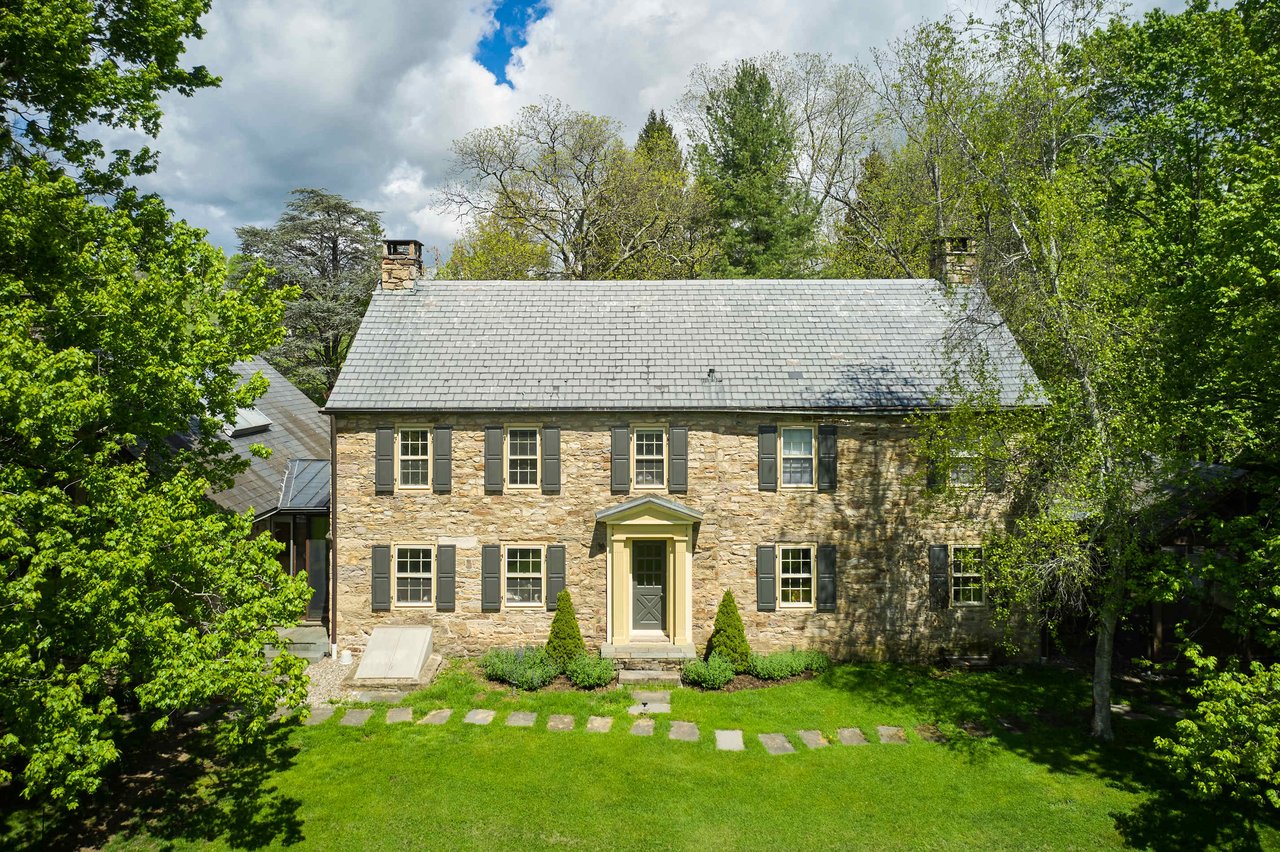
Upper‑tier homes in Warrington and surrounding Bucks County often exceed the conforming ceiling, especially newer luxury builds, larger lots, and estates with custom features. Similar patterns appear in parts of Montgomery and Chester Counties. If you are shopping in 18976 or eyeing a move across county lines, plan for jumbo financing to be part of the conversation.
Jumbo loans are reviewed more conservatively than conforming mortgages because they are not backed by the GSEs. Lenders look closely at your credit strength, income stability, liquid assets, and the property’s appraised value.
Policies vary by lender. Many jumbo programs allow gift funds on primary residences with limits or seasoning rules. Non‑W‑2 income such as 1099, K‑1, or Schedule C is often acceptable, but documentation standards are higher and timelines can be longer.
Conforming loans are priced through the GSE‑backed secondary market. Jumbo loans are priced by private investors and portfolio lenders, so demand and risk appetite shape the spread.
Key factors that move your rate include credit score, LTV, documentation type, property profile, and whether you are purchasing, refinancing, or taking cash out.
Because jumbo underwriting is more detailed, a standard pre‑qualification is not enough in competitive segments. A fully underwritten pre‑approval shows sellers your income, assets, and credit have already been reviewed by an underwriter, reducing uncertainty.
Metro buyers from the Philadelphia or New York corridors often arrive with strong cash positions and clean terms. You can compete by being precise and prepared:
High‑end and architecturally distinct homes can challenge appraisers because there are fewer recent comparable sales. Appraisals may take longer and sometimes require a second review. Build in extra time for appraisal scheduling and potential negotiation if the valuation lands below contract price.
Jumbo underwriting can also add days to the timeline due to manual asset reviews and complex income analysis. Align your contingency periods with your lender’s realistic schedule so you protect your deposit while staying competitive.
Confirm the current FHFA conforming loan limit for Bucks County and calculate whether your target home and down payment push you into jumbo territory.
Interview at least two lenders. Include a direct portfolio or jumbo specialist and a large bank so you can compare terms and service.
Assemble a clean documentation file:
Discuss reserve expectations, appraisal timelines, and any special property considerations, such as acreage, historic elements, or significant outbuildings.
Coordinate offer terms with your agent: pre‑approval letter, proof of funds, contingency timing, and whether an appraisal gap clause fits your risk comfort.
Talk to your tax advisor about mortgage interest deductions and other potential tax impacts for high‑value mortgages.
If you do not fit standard jumbo guidelines due to recent self‑employment, unique income streams, or complex assets, portfolio or non‑QM programs can help. Expect higher rates, larger down payments, or increased reserves in return for flexibility. Use these as a bridge strategy only when the long‑term plan aligns with your goals.
In upper‑tier segments, the details decide the outcome. A design‑trained advisor helps you evaluate a property’s unique features, anticipate appraisal questions, and shape terms that keep your offer strong without unnecessary risk. That guidance matters in 18976 and throughout Bucks, Montgomery, and Chester Counties, where luxury homes vary widely in age, acreage, and architectural character.
If you are planning a jumbo purchase in Bucks County, connect for tailored strategy, property vetting, and a clean, competitive approach that reflects your goals. Reach out to Dana Lansing to start a private conversation.
Stay up to date on the latest real estate trends.




Dana's many repeat clients are a testament to the experience she brings to the process and the level of service she provides. With her knowledge of the market, she can also help clients understand what improvements make financial sense.