Preparing Your Washington Crossing Home for a Successful Sale
Thinking about listing your Washington Crossing home this year? In a river-adjacent, history-rich market, small choices can have big outcomes. You want a clean, confident sale without surprises and a marketing plan that honors your home’s character. This guide gives you a clear timeline, high-ROI updates, and the local steps that matter most so you launch at the right moment and capture top interest. Let’s dive in.
Washington Crossing sits within Upper Makefield Township, which oversees zoning, permitting, and design review. Before you schedule work, confirm what approvals you need with the township’s Planning and Zoning office. You can review contacts and permit guidance on Upper Makefield’s Planning and Zoning page.
If your property is within the Washington Crossing Overlay District, exterior changes may trigger supplemental standards to protect community character. That can include visible roofing, siding, porches, driveways, or major landscape regrading. Review the overlay language and plan visible work to align with these standards so you do not face delays.
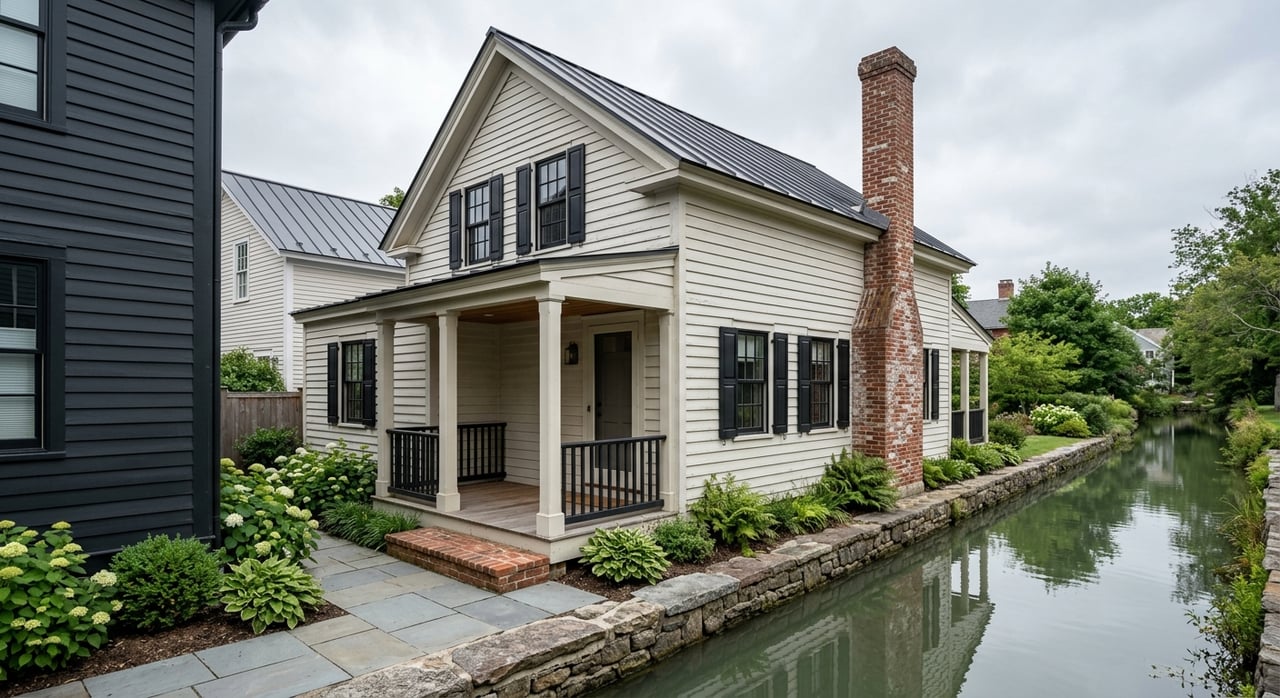
If your home is near the Delaware River or within a mapped flood area, do two things early. First, verify your flood designation on the FEMA Flood Map Service Center. This affects buyer disclosures, insurance, and some financing conditions. Second, if you are considering shoreline work or a small dock, consult the Pennsylvania DEP about Chapter 105 general permits and any additional authorizations. Unauthorized riverbank work can delay a sale and create costly fixes.
Upper Makefield offers flood resources and guidance to help you understand local compliance steps and elevation certificates if needed.
Timing can shape your outcome. Bucks County ended 2025 with solid price growth and a normal winter slowdown. The Bucks County Association of REALTORS reported a December 2025 median sold price of about $510,000 and average days on market around 32, suggesting that well-prepared homes can still move efficiently in season. In Washington Crossing’s premium segment, pricing varies widely by river adjacency, acreage, and provenance, so treat comps carefully and plan your launch window with precision.
For most sellers, spring brings the deepest buyer pool, with mid April often a strong target. A shorter fall window in late September through October can also work well. Luxury listings sometimes follow a slightly different rhythm. Your best move is to align your prep timeline with a defined go-live week rather than picking a vague month.
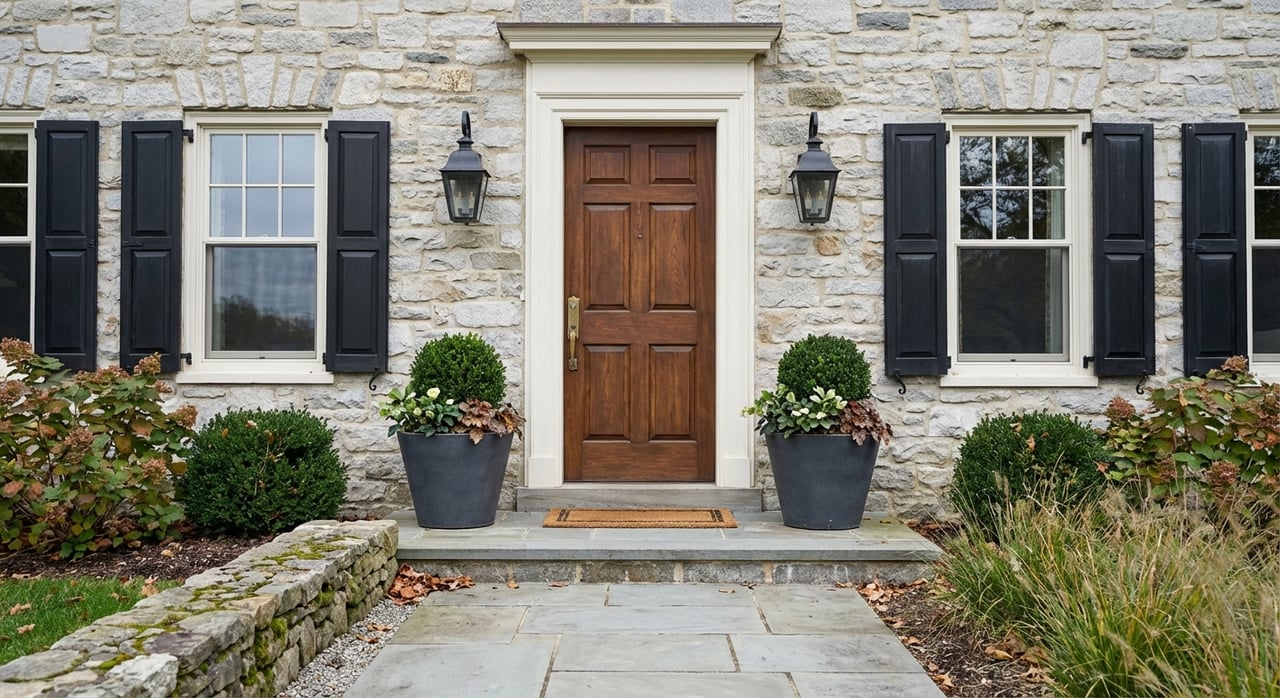
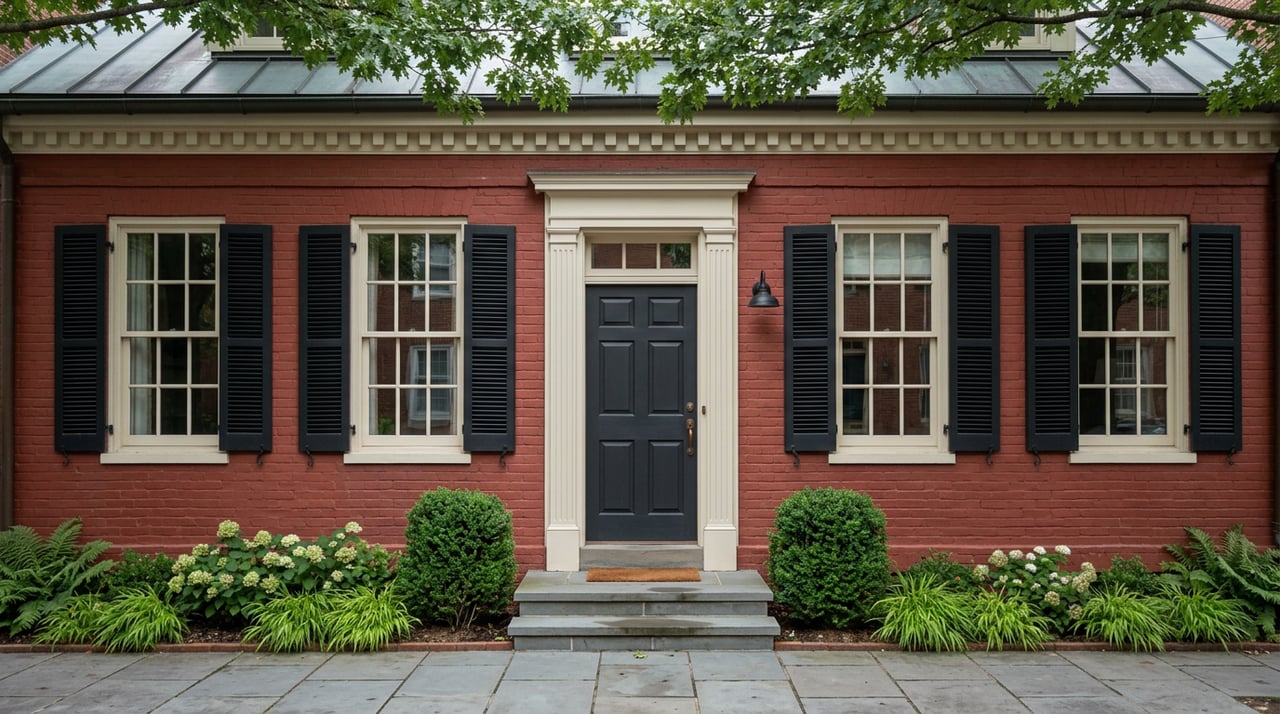
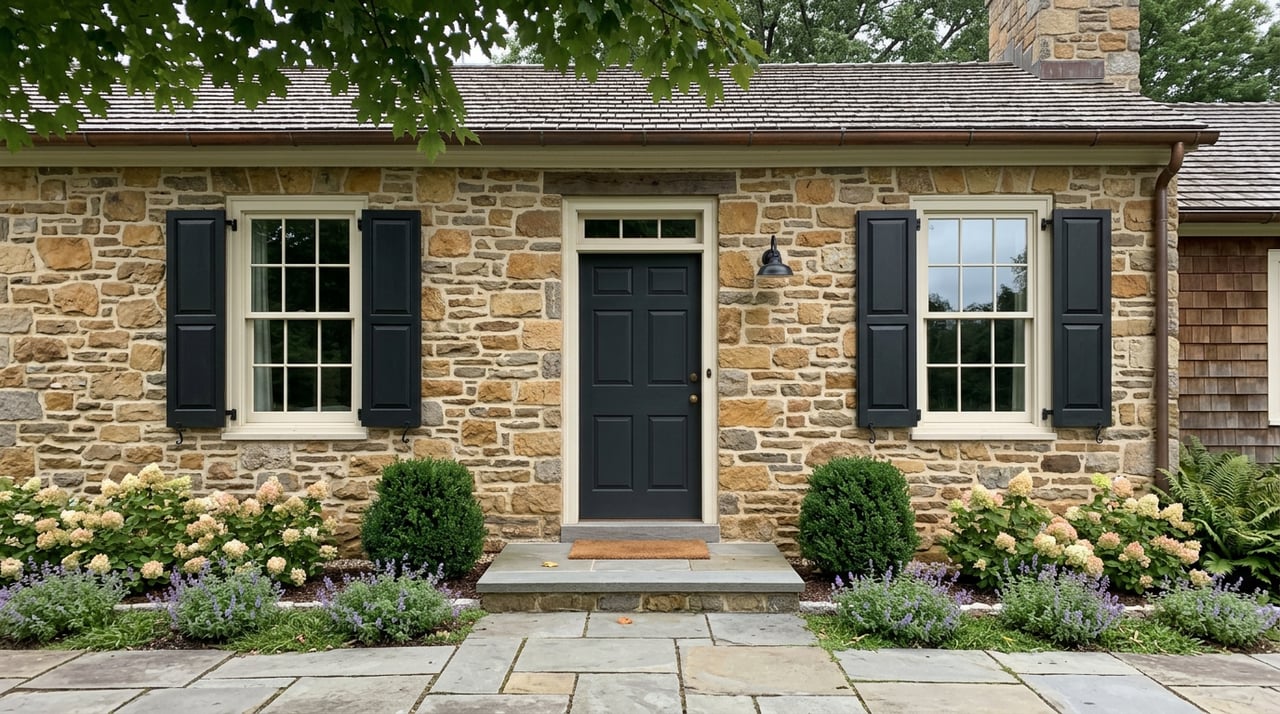
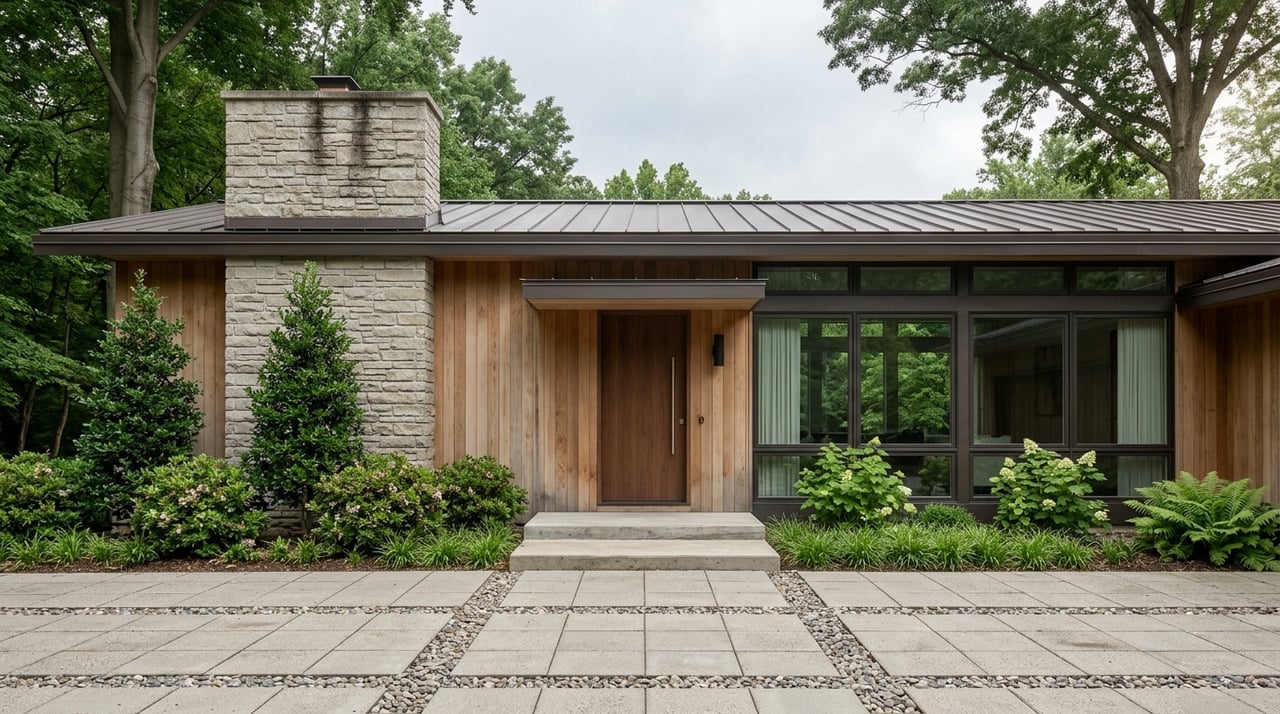
National Cost vs. Value data consistently ranks modest curb projects among the top for recouped value. If you want visible impact with controlled spend, focus on:
These changes create confidence before a buyer steps inside and photograph beautifully. Review the latest Cost vs. Value benchmarks as you prioritize.
Staging and simple cosmetic refreshes can change both time on market and perceived value. According to the National Association of REALTORS 2025 Profile of Home Staging, about 29 percent of agents reported staged listings saw a 1 to 10 percent increase in dollar offers, and nearly half of seller agents found staging reduced time on market. The most influential rooms are the living room, primary bedroom, and kitchen.
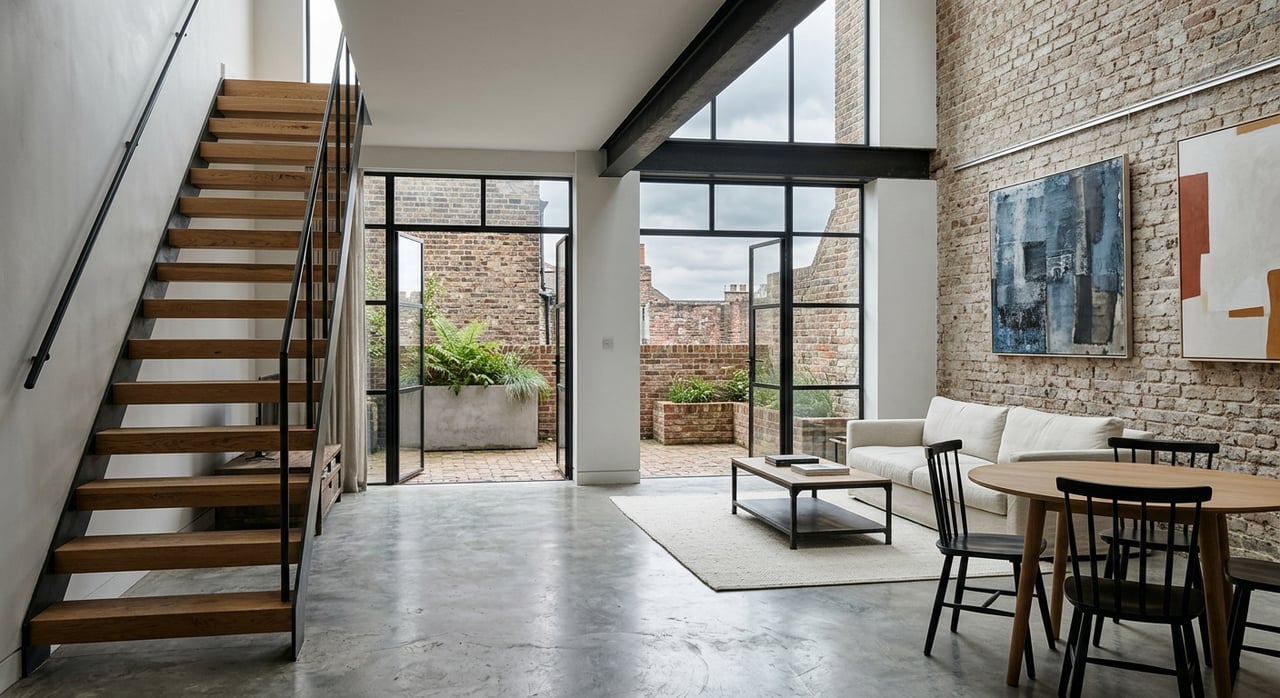
Start with fresh, neutral paint, updated lighting, and clean-lined hardware. Refinish hardwoods where possible, and consider a minor kitchen or bath refresh if older finishes stand out. Avoid big structural changes right before listing unless they address a buyer-blocking condition. Staging for historic homes should be period-aware while showing modern function and flow. See the NAR report on staging impact for context: NAR 2025 staging findings.
Use this as a working plan and adjust to your target list week. If you aim for a mid April launch, back-schedule each step from that date.
High-value buyers respond to clarity. Assemble a concise package that includes chain of title, any designation or easement documents, permits and approvals, and records of past restorations and major system upgrades. This reduces uncertainty and helps underwriting. For additional context on selling historic and luxury properties locally, review this perspective on presenting provenance and systems documentation from Dana Lansing’s insights.
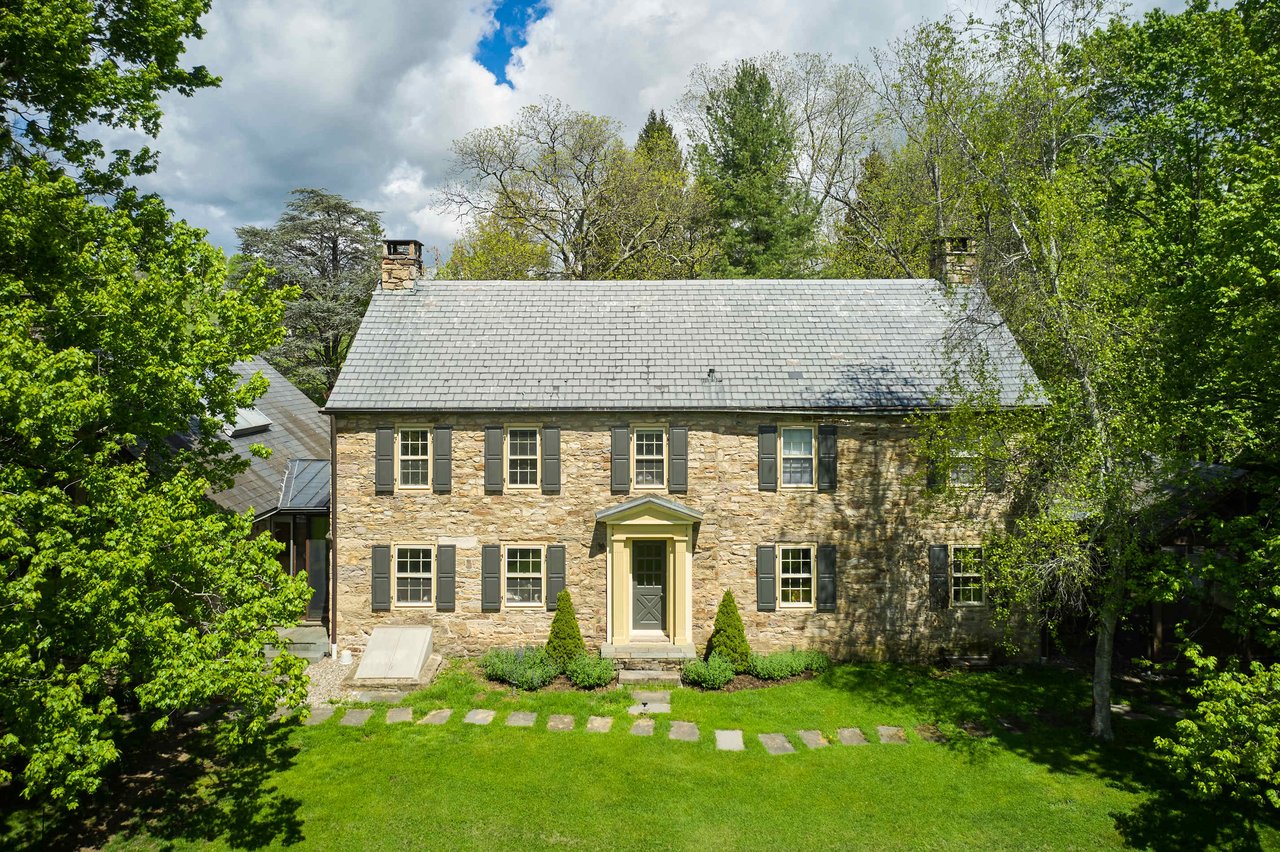
Leverage visuals that communicate the site as much as the structure. If appropriate, capture aerials that show proximity to Washington Crossing Historic Park and the river corridor, along with sight lines and access context. Plan twilight photography to highlight facade lighting and landscape structure. For park information and setting context, see Washington Crossing Historic Park.
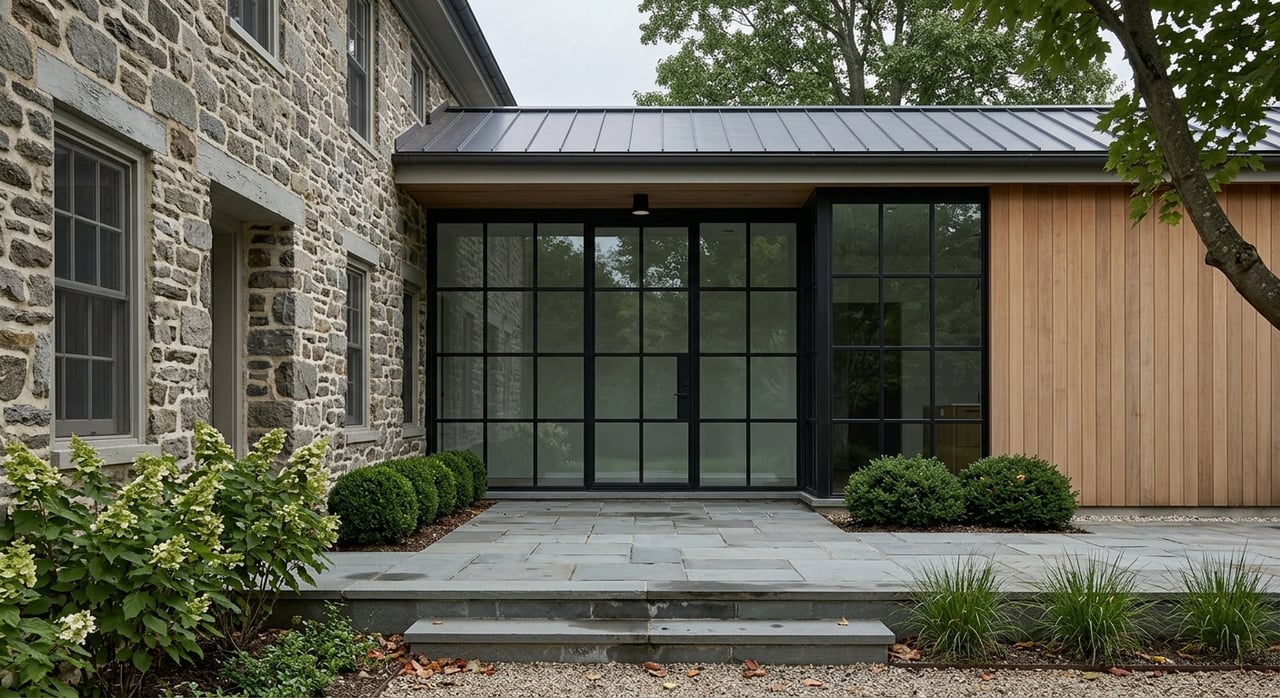
For historic properties, keep original millwork, mantels, and wide-plank floors visible. Use scaled furniture to express room volume and clear walk paths to windows. Layer textures sparingly so the architecture remains the lead character. The goal is to help buyers visualize both everyday living and special moments without overwhelming the home’s authentic details.
Proactive documentation reduces friction. Historic homes sometimes prompt lenders to ask for electrical or plumbing updates before closing. Get inspection reports and any repair invoices into your disclosure package early to minimize back-and-forth.
If your property is in a flood zone or near the river, gather elevation certificates, flood history, and any mitigation measures you have taken. Buyers and lenders will review these closely. Use the FEMA Flood Map Service Center to confirm your zone and collect the right documents.
Ready to align your property with the market and execute a polished launch? Connect with Dana Lansing to translate design value into market advantage and to Request Your Private Home Valuation.
Stay up to date on the latest real estate trends.
Dana's many repeat clients are a testament to the experience she brings to the process and the level of service she provides. With her knowledge of the market, she can also help clients understand what improvements make financial sense.