Stockton vs New Hope Homes: Your Delaware River Retreat
Torn between Stockton, NJ and New Hope, PA for your Delaware River retreat? You are not alone. Both towns offer history, water access, and charm, yet they live very differently day to day. In this guide, you will see how lifestyle, housing, flood risk, taxes, and permitting compare so you can choose with clarity. Let’s dive in.
Stockton and New Hope sit across from each other on the Delaware River, but they feel distinct. Stockton is small and village‑scale with a quieter, residential rhythm and rural surroundings. New Hope is more active and visitor‑oriented, with galleries, dining, theater, and a steady events calendar.
Both share access to the river, the canal towpaths, and nearby parks and historic sites. You will find 19th‑century buildings and canal history on both banks. If you want a peaceful hideaway with limited foot traffic, Stockton tends to deliver that mood. If you want a walkable scene and a strong arts culture, New Hope often fits.
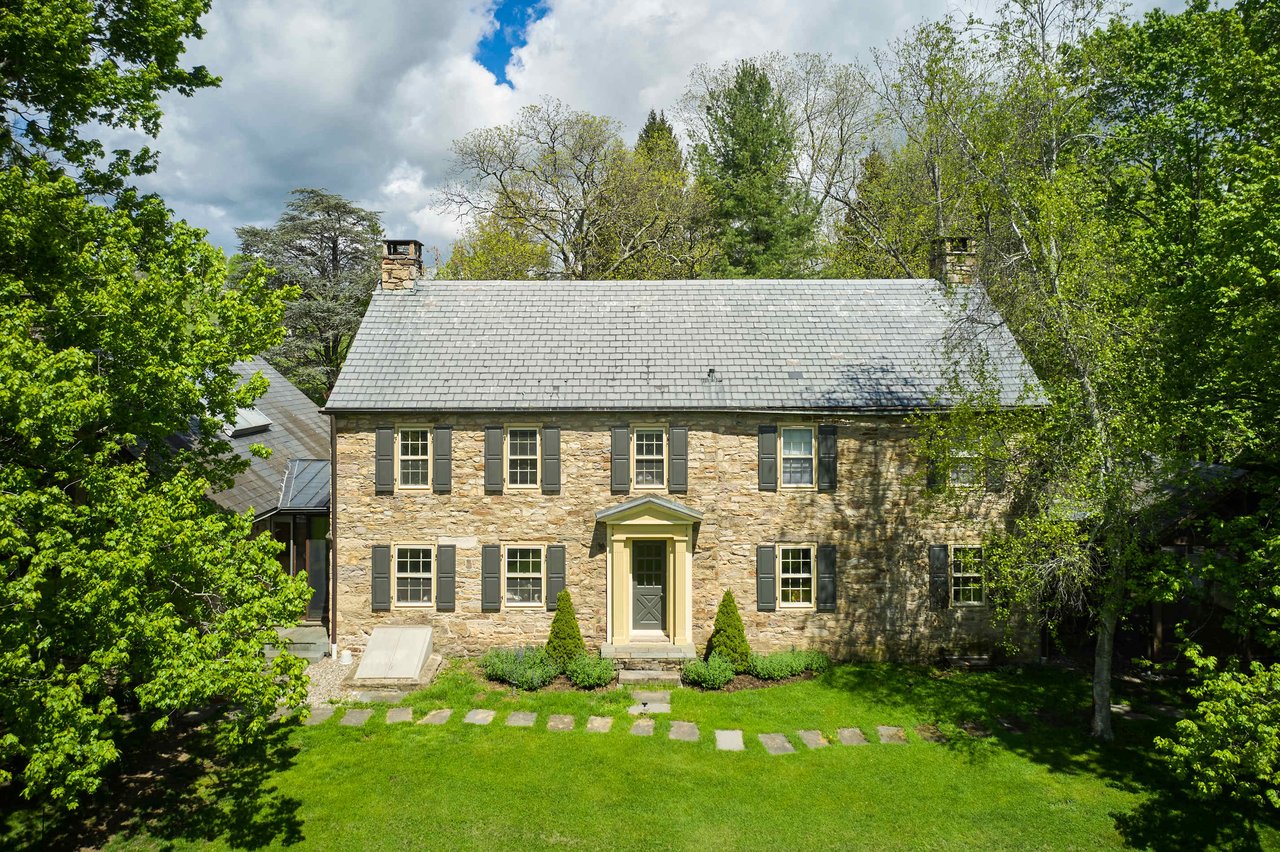
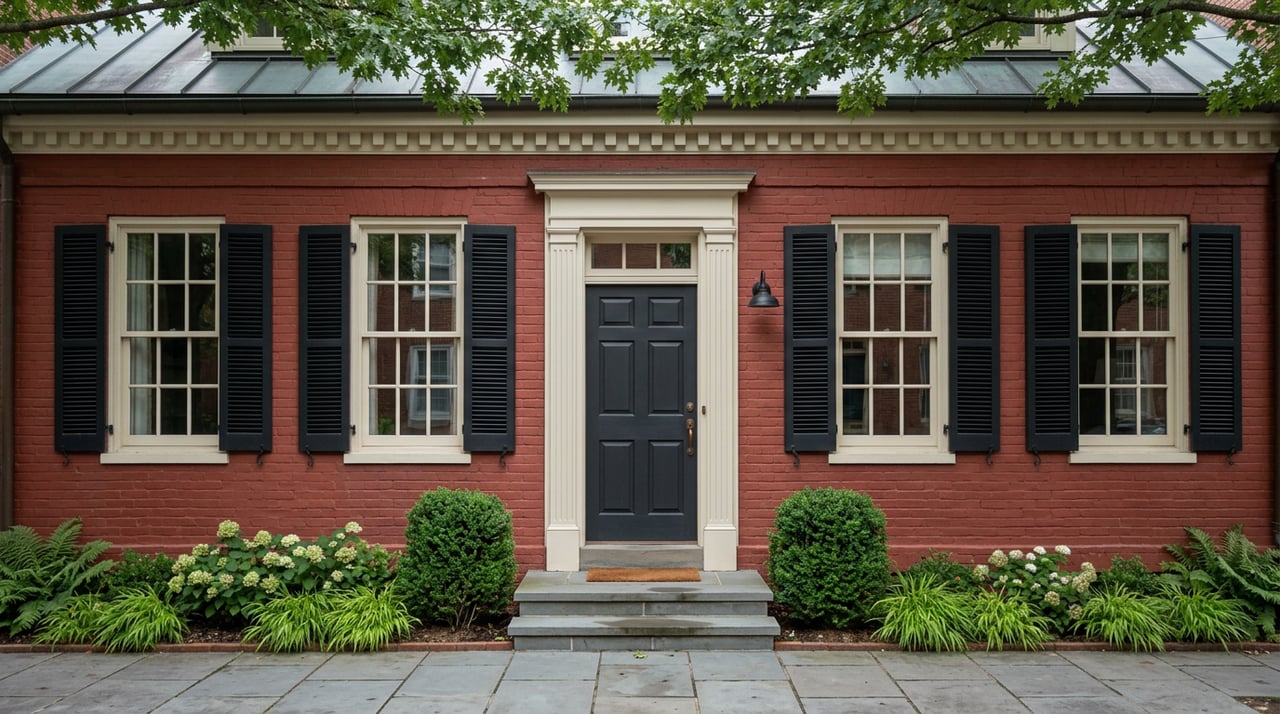
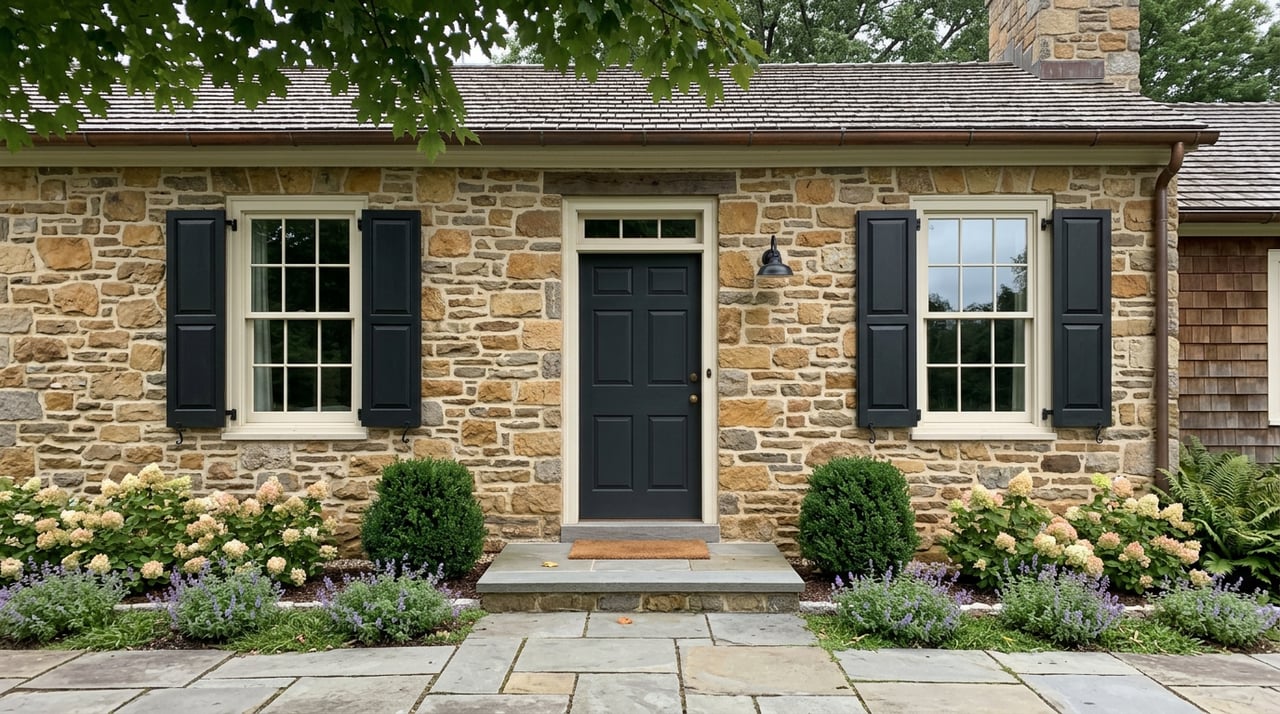
Expect a calmer market with village cottages, renovated historic homes, and larger farmhouses just outside the borough. Riverfront parcels and homes near open space are prized. Condos and townhomes are limited, so single‑family homes dominate. Many properties are older, which can be a plus for character and a consideration for systems, foundations, and flood mitigation.
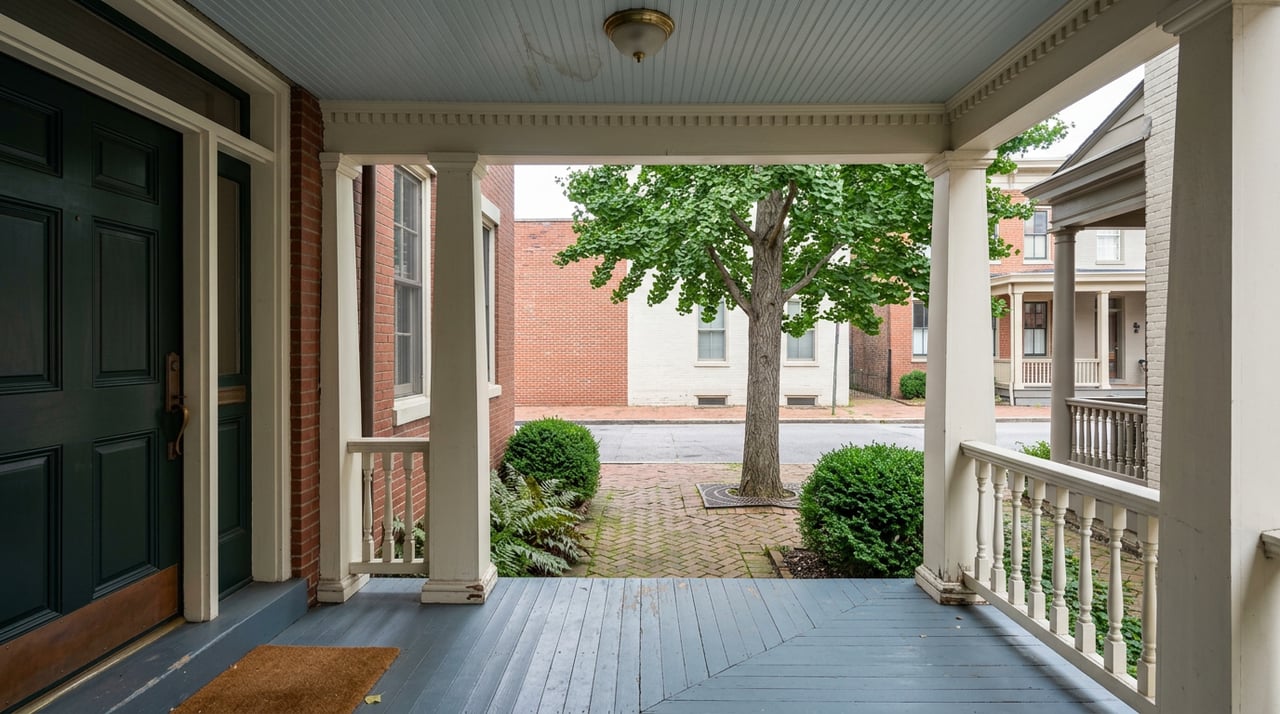
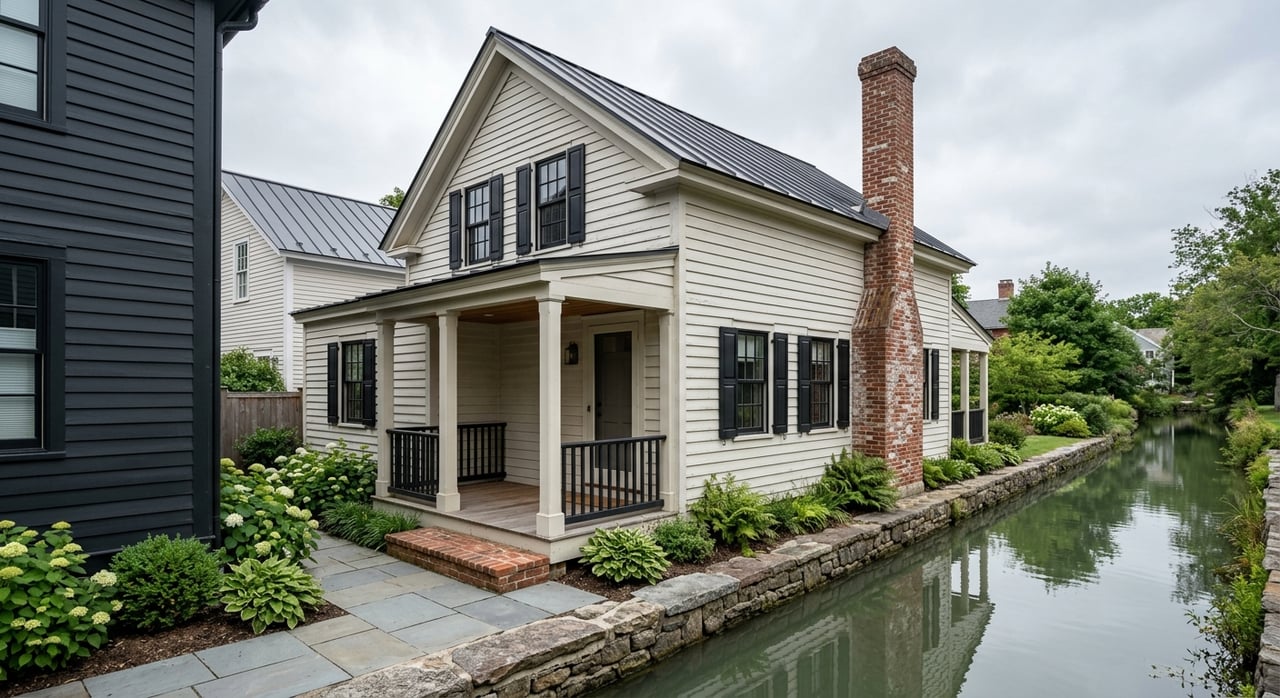
You will see a wider range of mixed-use and small commercial‑residential buildings near downtown, plus historic houses and river cottages. The town’s visitor economy often adds a pricing premium for properties within easy reach of galleries, dining, and nightlife. Inventory can be more seasonal, with stronger second‑home and short‑term rental appeal.
New Hope commonly commands higher prices for walkable, in‑town locations. Stockton often offers quieter settings with less price pressure. That said, river frontage, private docks, and architectural significance can elevate values on either side. Because pricing changes with season and inventory, review current MLS data and recent comparable sales before you decide. If you plan to buy a retreat for rental income, confirm local short‑term rental rules first.
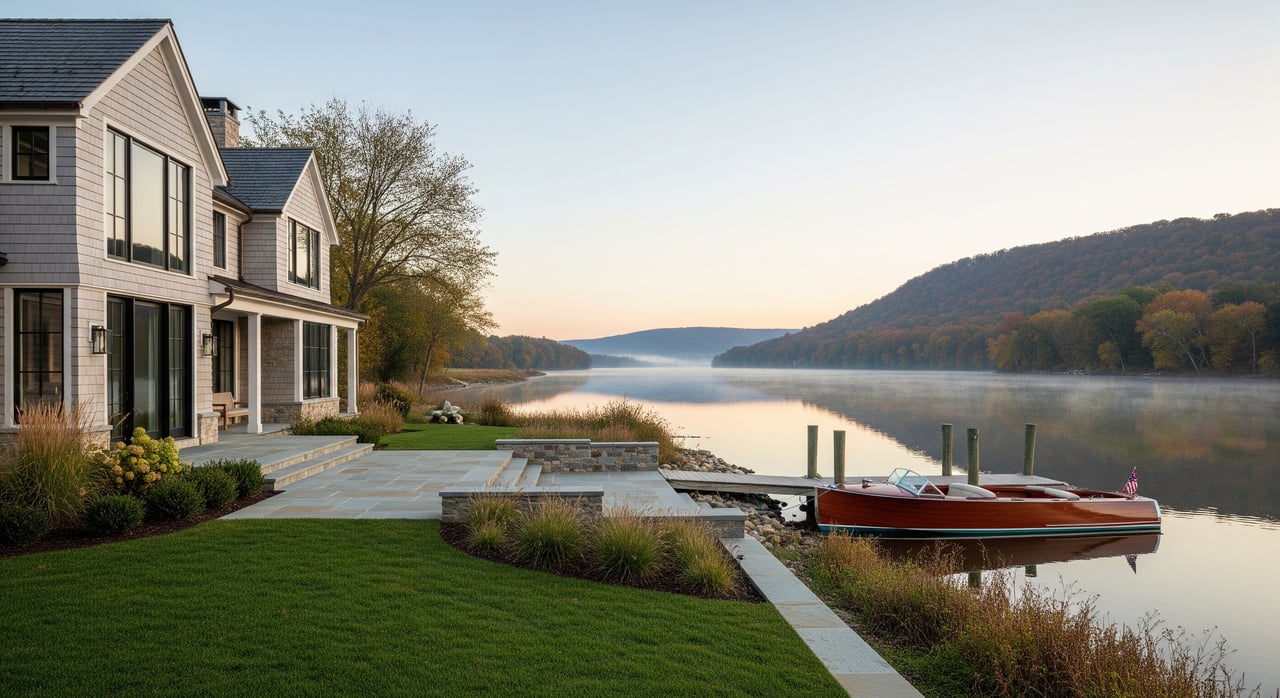
Living near the Delaware River offers beauty and access, but you need to understand flood risk. Some parcels lie within FEMA Special Flood Hazard Areas, and flood maps can change over time. Lenders often require flood insurance for properties in mapped flood zones. Premiums vary widely and depend on elevation, base flood elevation, and mitigation features.
Waterfront work typically needs approvals from multiple agencies. If you want to add or repair a dock, do shoreline stabilization, or alter landscaping near the water, expect to plan ahead for permits. In New Jersey, you will interact with the NJ Department of Environmental Protection. In Pennsylvania, you will work with the PA Department of Environmental Protection and local officials. Larger or in‑stream projects may trigger review by the Delaware River Basin Commission.
Helpful resources:
Action checklist before you offer:
New Jersey and Pennsylvania tax structures differ. New Jersey traditionally has a higher property tax burden. Pennsylvania and Bucks County use different assessment and millage frameworks. Transfer taxes and settlement practices also vary by state and sometimes by municipality. The exact impact on you depends on the parcel and your residency.
Expect differences in how transfer taxes are split, which professionals handle closing, and how title, escrow, and recording fees are itemized. Many river properties also run on private well and septic, especially around Stockton and rural parcels. These systems affect inspections, maintenance costs, and sometimes financing.
Due diligence checklist:
Helpful references:
Both sides offer canal towpaths for biking and walking, boating and fishing on the Delaware, and nearby historic parks. Public river access points vary, so if you are a boater, confirm launch options and whether a private dock is feasible with permits. Birding, cycling, and quiet walks are part of everyday life along the corridor.
New Hope is known for galleries, theater, festivals, and a wide dining scene. Weekends can be lively, which many buyers love for entertainment and people‑watching. Stockton is more restrained day to day, with easy access to nearby Lambertville for antiques and dining, and to rural Hunterdon County farm markets and trails.
Both towns are small boroughs with limited big‑box services. Plan for short drives to nearby towns for hospitals, major grocery stores, and larger services. If you value complete walkability for daily errands, focus on specific in‑town blocks and test the walk from a few listings.
New Hope’s visitor economy can create strong short‑term rental demand, while Stockton trends quieter. Both boroughs may have licensing, occupancy limits, and tax requirements for short‑term rentals. Rules evolve, and enforcement varies.
Before you rely on rental income:
Buyers in this corridor often commute to Philadelphia, Princeton, or Trenton, and sometimes New York City. There is limited immediate commuter rail access in the boroughs, so you will drive to nearby stations or use regional roads and bridges. Test drive your route at peak hours to understand travel time and bridge traffic patterns. If you expect frequent airport trips, confirm the most efficient route and typical timing.
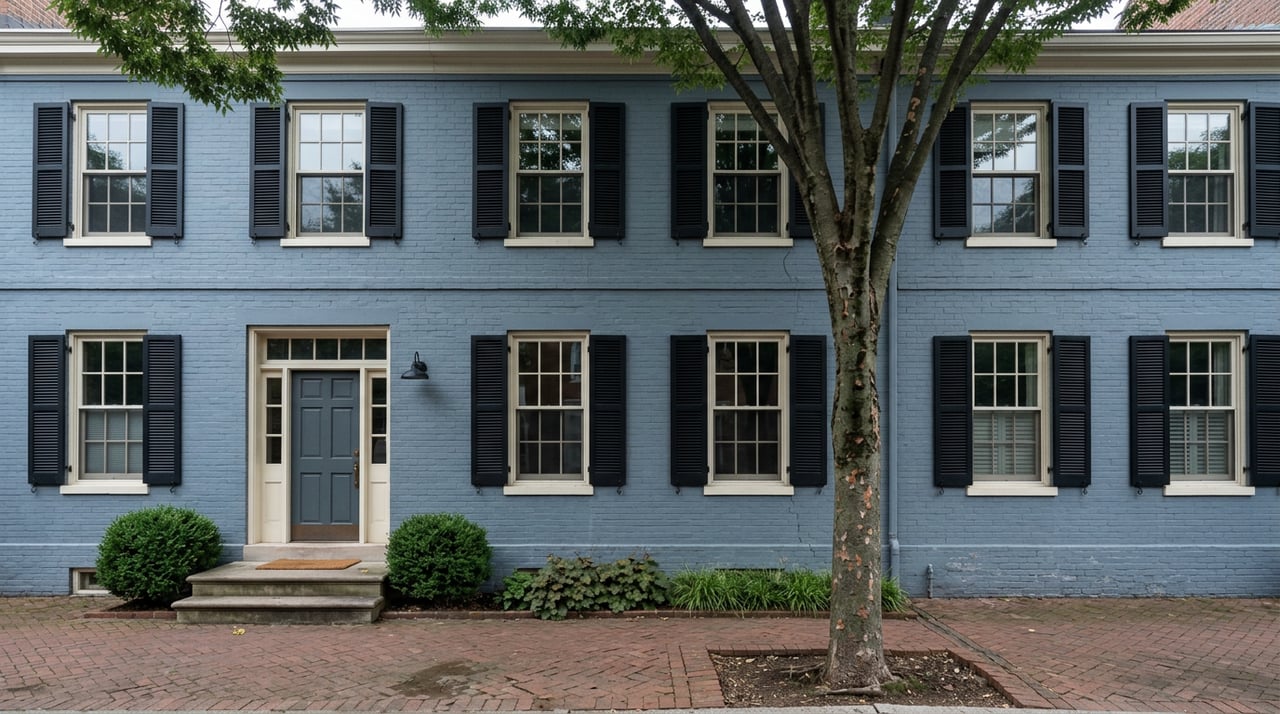
Many homes in both towns are historic or have older systems. That is part of the romance and part of the responsibility. Foundation integrity, moisture management, electrical capacity, and heating and cooling upgrades are common topics. Properties in historic districts may require local approvals for exterior changes.
Plan your project with permits in mind:
Choose Stockton if you want:
Choose New Hope if you want:
Start with a clear list of must‑haves. Define how you want to use the home, how often you will be here, and your comfort with renovation and flood‑resilience planning. Then compare specific blocks and streets, not just towns. Walk the towpaths at different times of day, listen for ambient noise, and test the drives you will make most.
When you are ready to explore properties, pair on‑the‑ground showings with upfront due diligence. Check flood maps, permitting history, and tax details before you fall in love with a view. If a property is architecturally significant, budget time for thoughtful design work that preserves character while improving performance.
If you want expert guidance that blends design insight with market strategy, connect with Dana Lansing for a private consultation. Dana’s architectural background and high‑touch process help you evaluate flood and permitting realities, renovation feasibility, and value on both sides of the river so you can move forward with confidence.
Stay up to date on the latest real estate trends.
Dana's many repeat clients are a testament to the experience she brings to the process and the level of service she provides. With her knowledge of the market, she can also help clients understand what improvements make financial sense.