Thinking about buying or restoring a classic Princeton home? The rooflines, windows, and brick patterns tell you what you own and how to care for it. With a little guidance, you can honor the character that drew you in while planning smart updates that fit your life. In this guide, you will learn how to identify Princeton’s common historic styles, understand typical materials and issues, plan sensitive upgrades, and navigate local review. Let’s dive in.
Spot Princeton’s historic styles
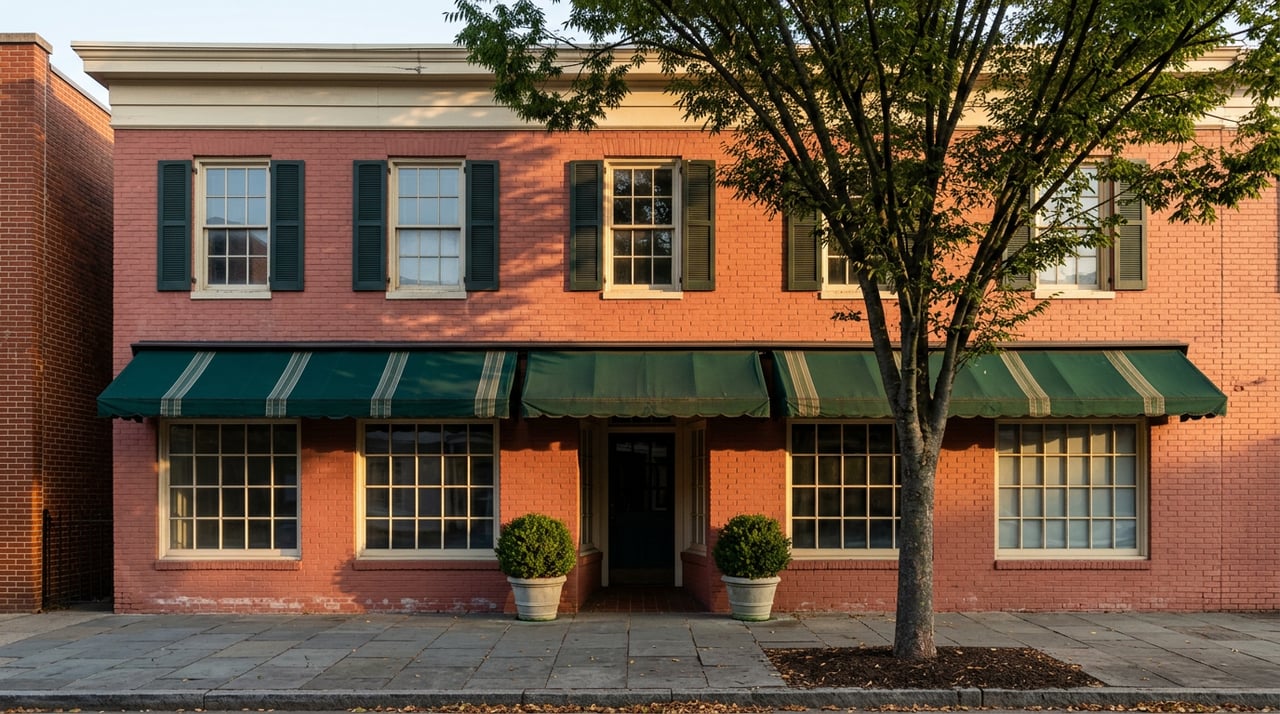
Princeton’s neighborhoods include houses from the colonial era through early 20th-century revivals and Arts & Crafts. Many homes are hybrids or have later additions, so look for core clues.
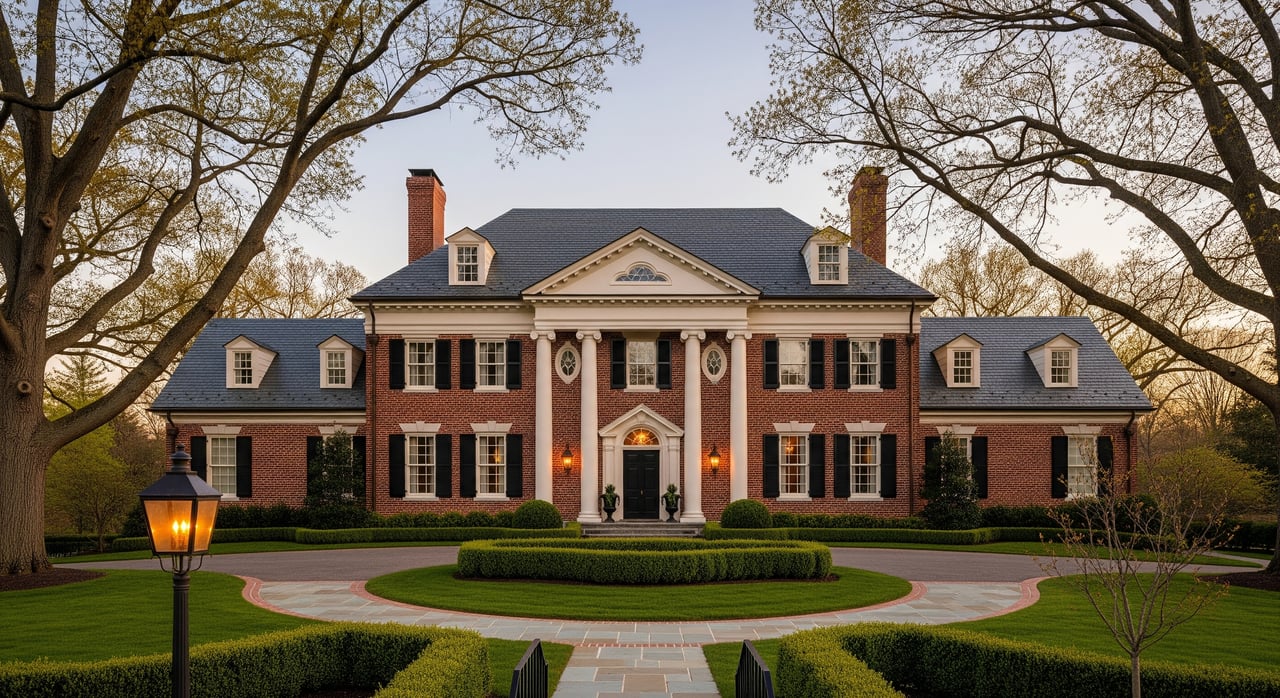
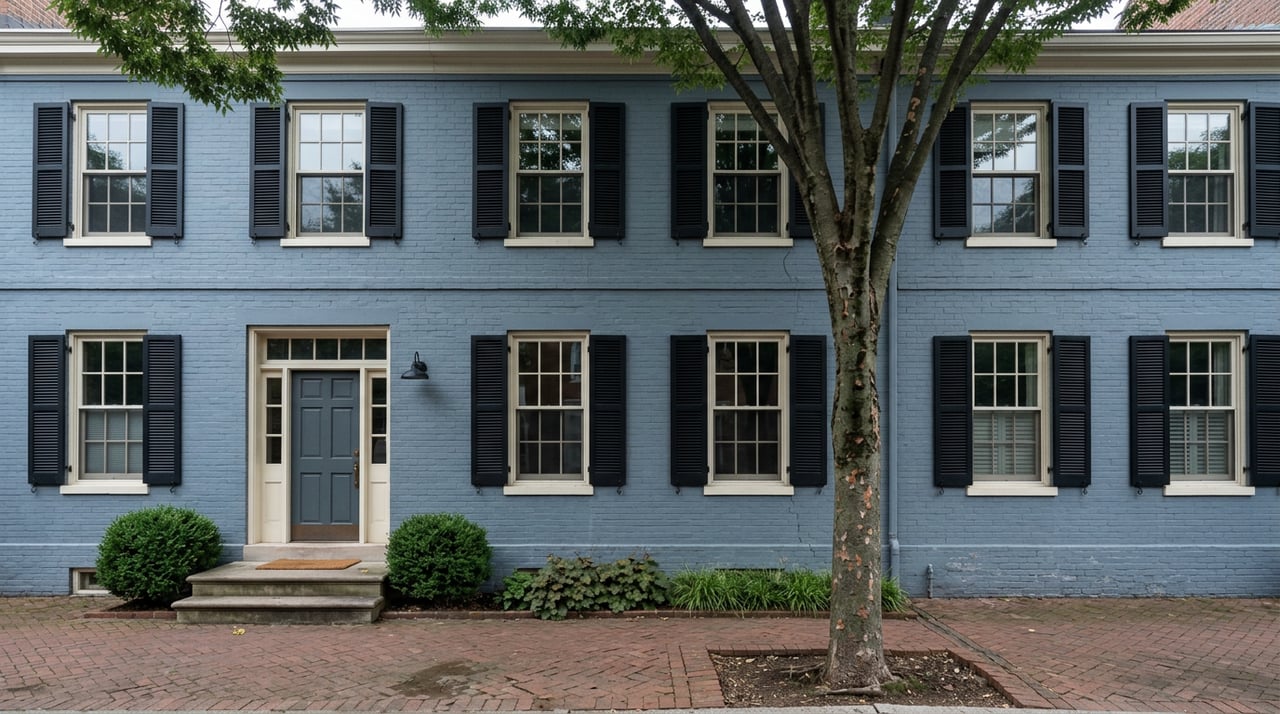
Georgian and Colonial (c. 1700–1830)
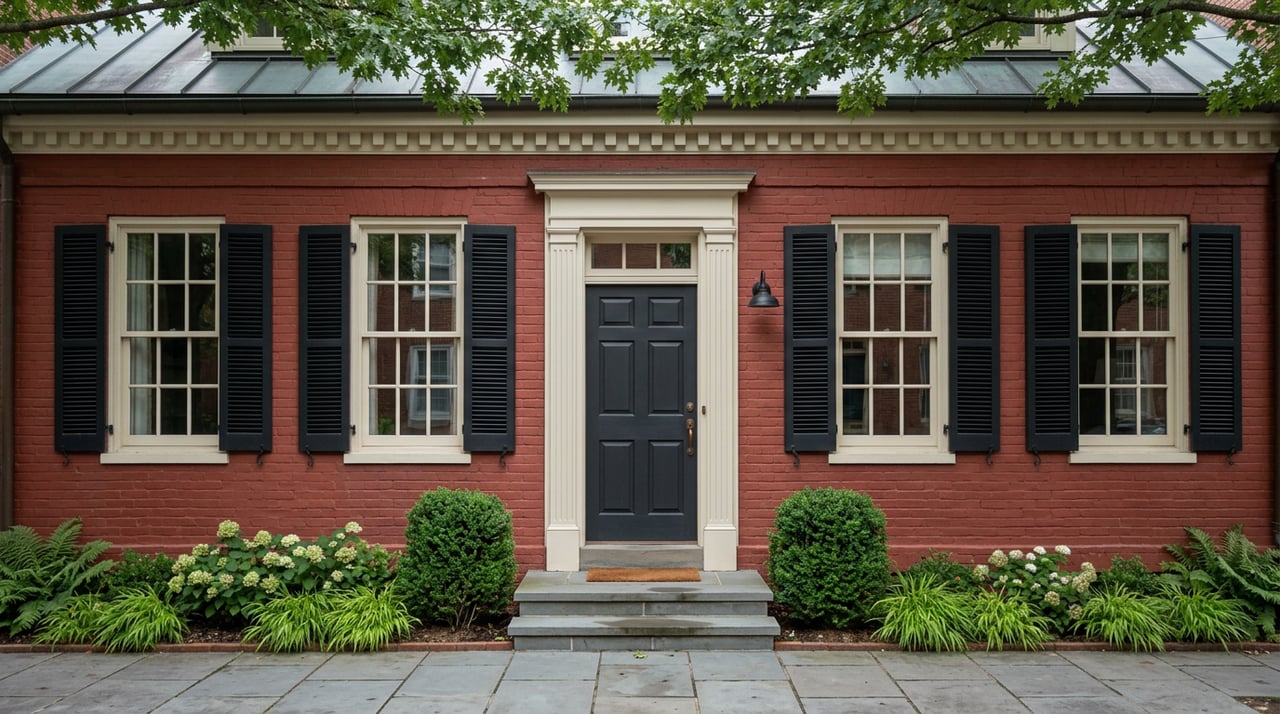
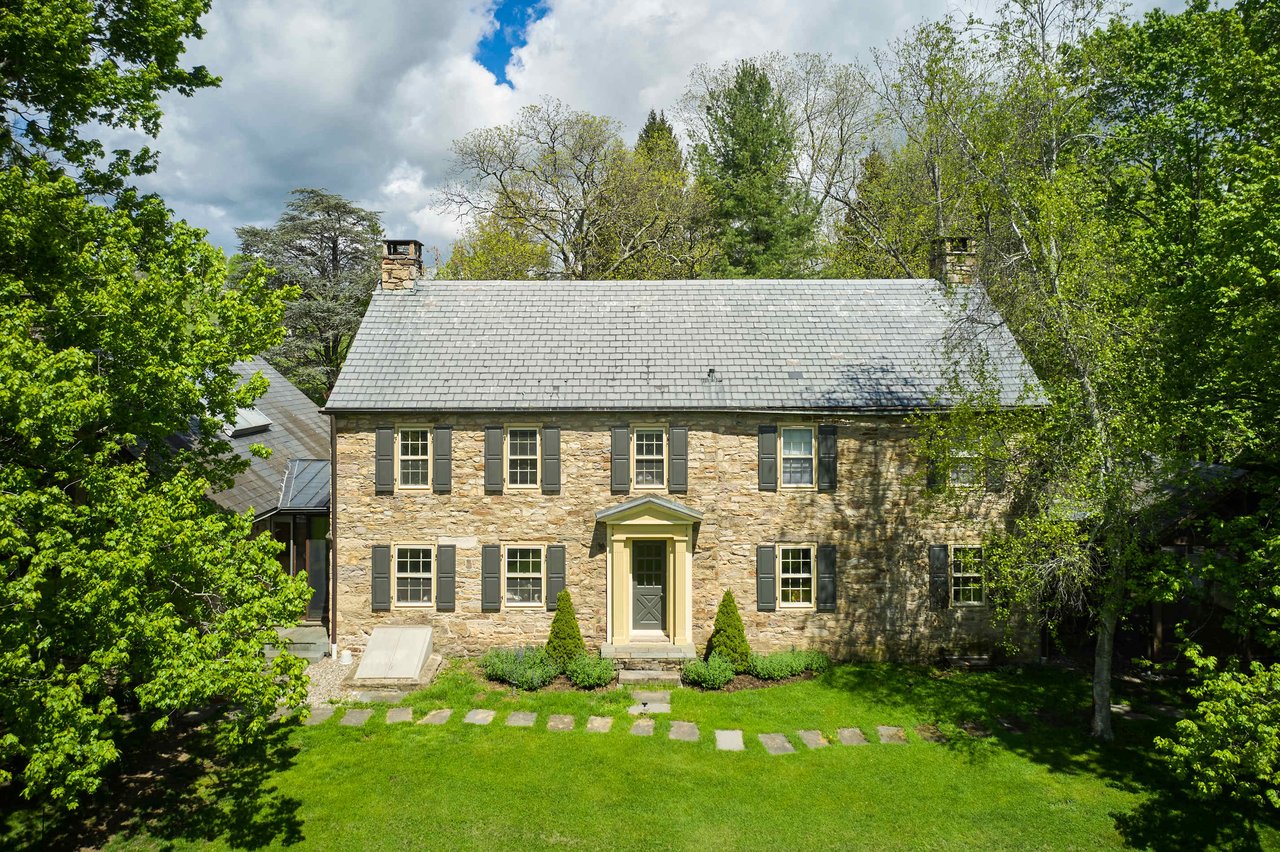
- Symmetrical five-bay facades with a centered front door, often with a transom or pediment.
- Double-hung wood windows, commonly 9 over 9 or 12 over 12 in early examples.
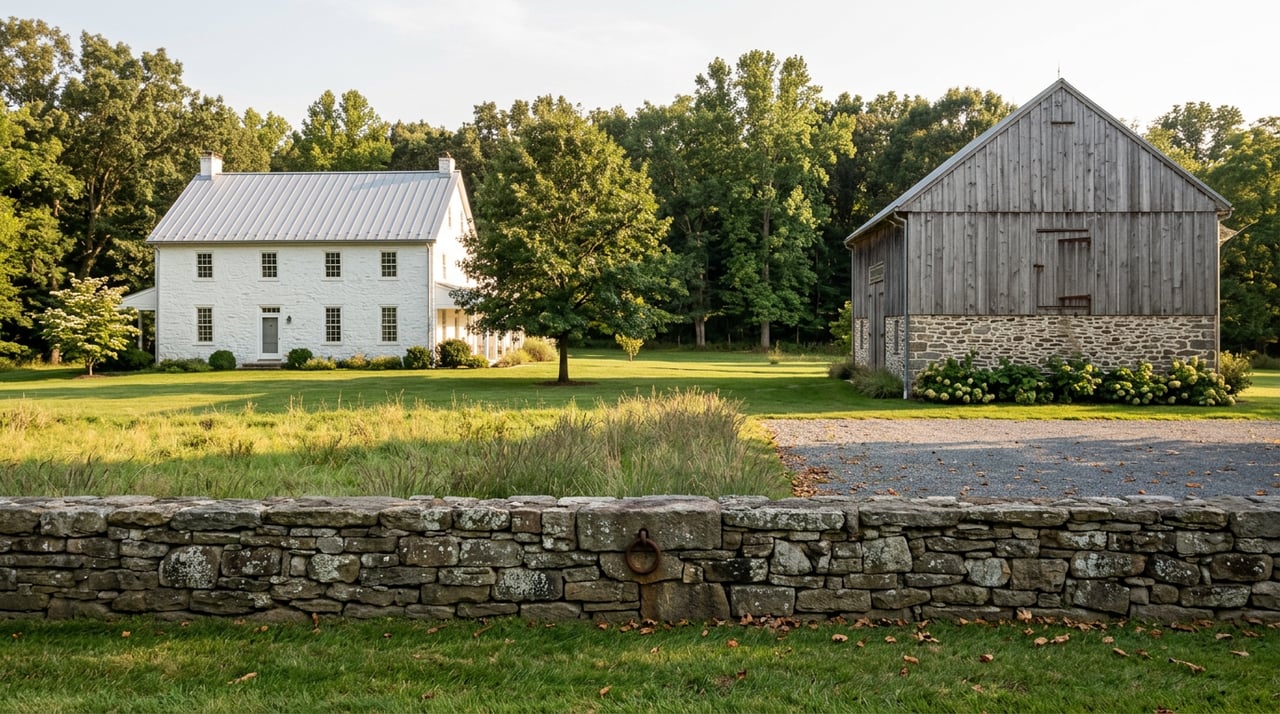
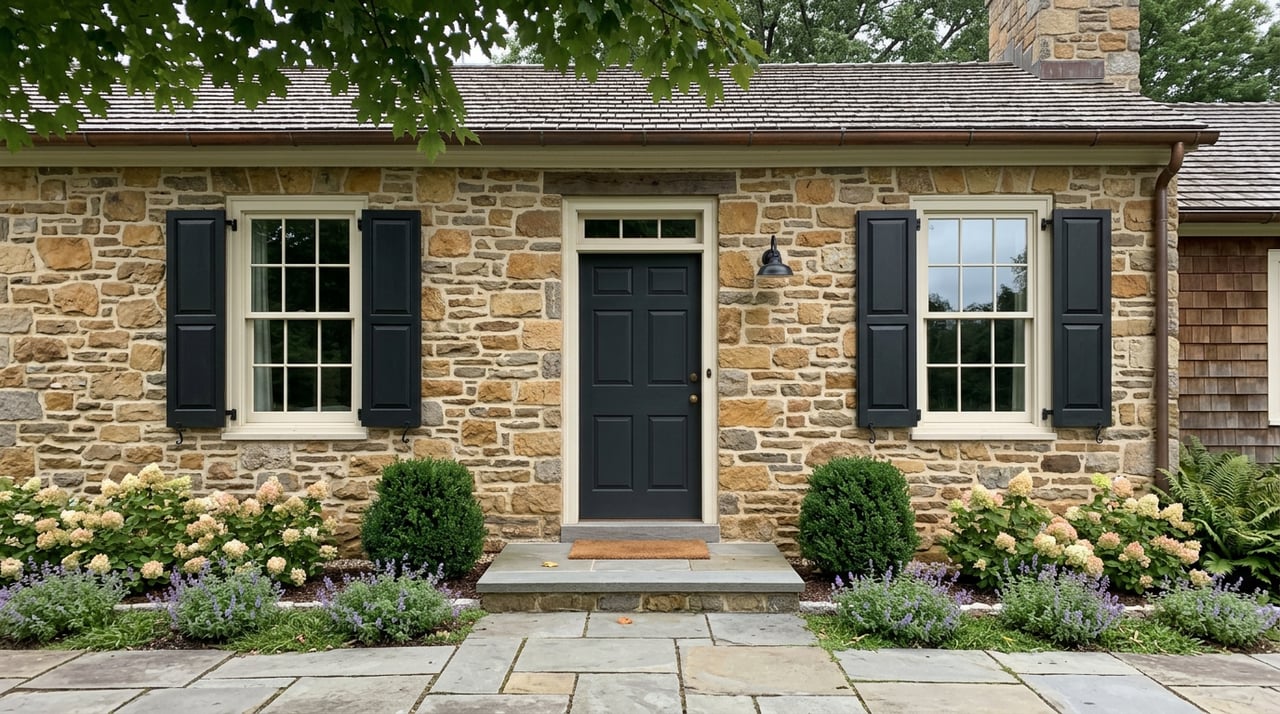
- Red brick in Flemish or English bond, or wood clapboard. Some early rural houses use stone.
- Typical issues: masonry repointing needs, moisture in basements, and aging sash.
Federal (c. 1780–1830)
- Slimmer, more refined proportions than Georgian.
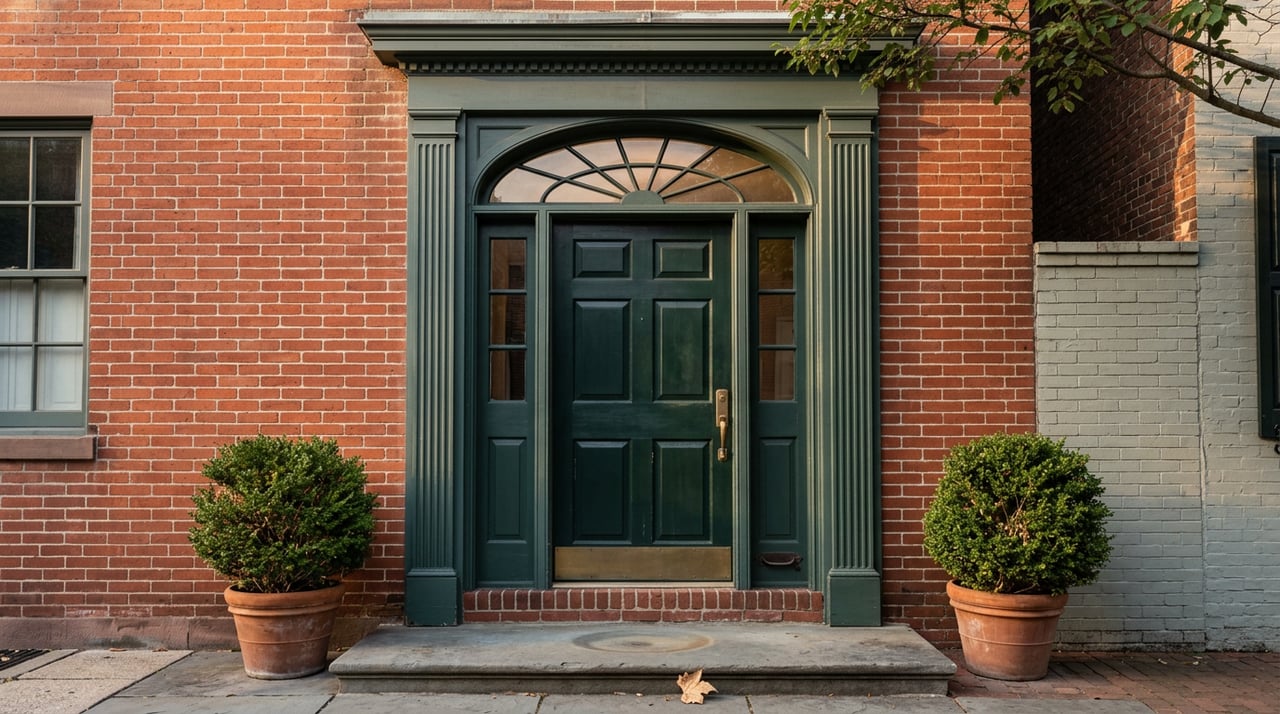
- Elliptical or fanlight transoms and sidelights around the entry.
- Low-pitched roofs and delicate trim details.
- Typical issues: wood trim decay and glazing or sash problems.
Greek Revival (c. 1825–1860)
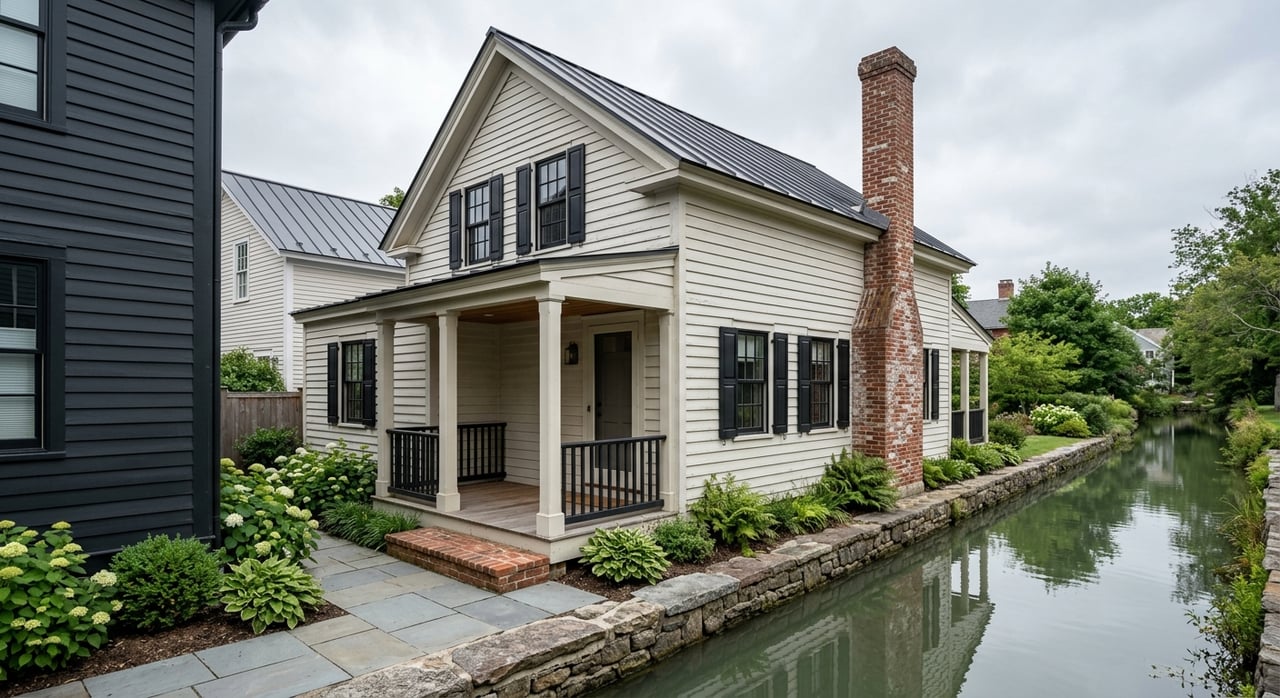
- Gable-front forms that echo classical temples.
- Strong cornices, pilasters, and sometimes full-height columns.
- Frequently painted white wood clapboard or brick.
- Typical issues: porch and column rot, paint failure at trim and entablature.
Gothic Revival and Carpenter Gothic (c. 1840–1870)
- Steep roofs, pointed lancet windows, and decorative vergeboards.
- Board-and-batten siding appears on some houses.
- Typical issues: repair of ornate millwork and careful roof flashing.
Italianate and Second Empire (c. 1840–1885)
- Italianate: low or flat roofs, wide eaves with brackets, tall narrow windows, cupolas.
- Second Empire: mansard roofs with dormers.
- Typical issues: bracket rot, slate or mansard roof maintenance, and window hood repairs.
Queen Anne and Late Victorian (c. 1880–1910)
- Asymmetry, towers or turrets, patterned shingles, and wrap-around porches.
- Mix of materials and textures with ornamental trim.
- Typical issues: complex rooflines that leak, porch repairs, and frequent paint cycles.
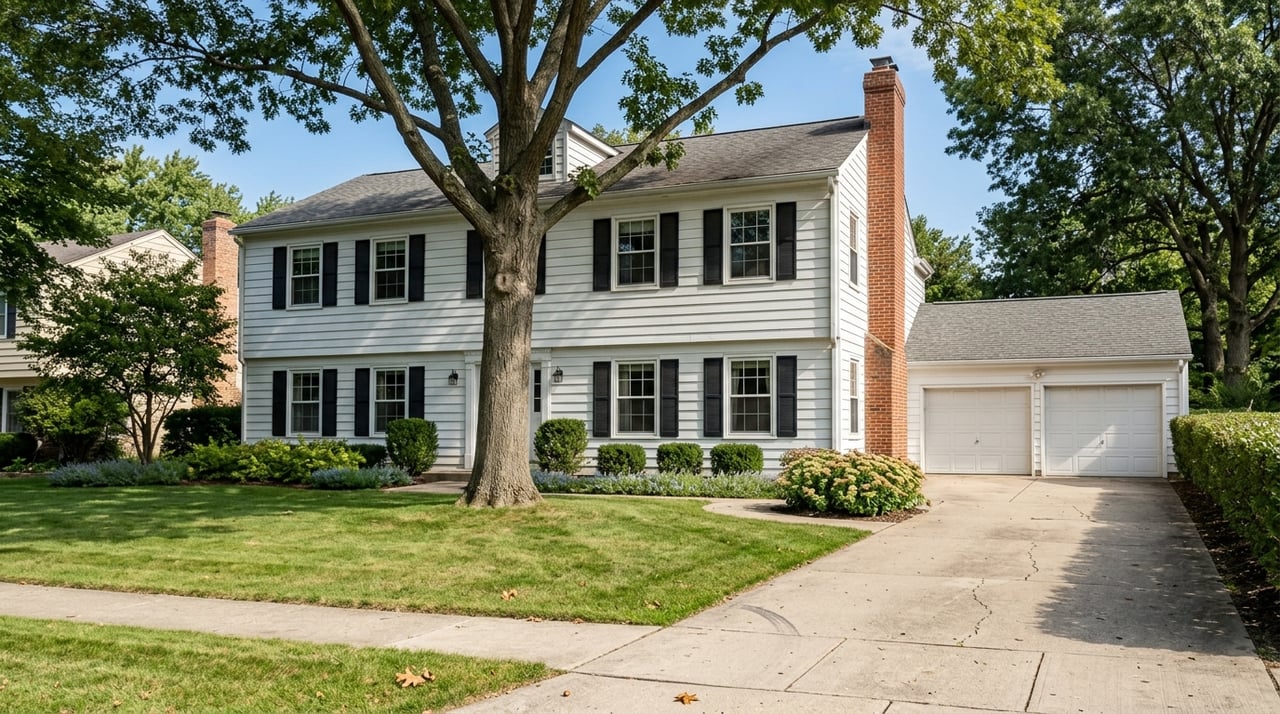
Colonial Revival (c. 1880–1955)
- Reinterpreted colonial symmetry and classical door surrounds.
- Multi-pane double-hung windows and often larger, suburban-scaled plans.
- Typical issues: compatibility of window replacements and modernization of kitchens and baths.
Tudor Revival (c. 1890–1940)
- Steep cross gables, decorative half-timbering, tall windows, and prominent chimneys.
- Stucco with half-timbering and brick accents.
- Typical issues: stucco cracks, chimney and flashing maintenance, roof details.
Craftsman and Bungalow (c. 1905–1930)
- Low-pitched gable roofs with wide overhangs and exposed rafters.
- Tapered porch columns and built-in interior cabinetry.
- Typical issues: porch column and beam rot, and older mechanical systems.
Materials and what they tell you
Understanding original materials helps you plan maintenance and upgrades that last.
Masonry: brick and stone
- Many historic walls and foundations used lime-based mortar. Later Portland cement repairs can damage older brick.
- Watch for spalling, efflorescence, and moisture from failed flashing or gutters.
- Repoint with compatible mortar that matches composition, color, and tooling. Verify drainage and flashing first.
Wood siding and trim
- Expect paint failure and rot at sills, porch posts, and other water-shedding points.
- Keep paint systems in good shape and ensure proper flashing and drip details.
- Repair rather than replace when possible, and match visible profiles on trim and millwork.
Roofing: slate, cedar, asphalt
- Many older roofs were slate or cedar, with asphalt used later.
- Complex Victorian valleys and dormers are common leak points.
- Inspect regularly. Replace failed slates in-kind on visible areas and confirm proper flashing at chimneys and valleys.
Windows: original wood sash
- Original double-hung wood sash with historic glass often perform well with upkeep.
- Common issues include rotten sills, broken cords, air infiltration, and lead paint on trims.
- Repair sash and frames where feasible. Consider interior or exterior storm windows instead of wholesale replacement.
Foundations and basements
- Rubble stone or brick foundations are typical. Drainage issues are common.
- Start outside with grading, gutters, downspouts, and perimeter drains.
- Engage a structural engineer experienced with historic foundations for settlement or major stability concerns.
Systems, insulation, and indoor comfort
- Outdated wiring, plumbing, and heating can limit performance.
- Plan upgrades that minimize damage to historic fabric. Reversible approaches are preferred.
- Cavity insulation in appropriate locations, attic insulation, and ductless heat pumps can improve comfort with less disruption.
Smart preservation and upgrades
You can protect character and improve performance with a measured plan.
A simple maintenance calendar
- Annual: inspect the roof, gutters, and downspouts; clear debris; check attic ventilation and look for leaks; inspect chimney flashing.
- Every 3 to 5 years: repaint exterior trim and siding as needed; inspect foundation and grading; service heating systems.
- Every 5 to 15 years: repoint failing masonry; restore or replace major roofing; restore windows if sash are deteriorated.
Repair vs. replace
- Preserve historic fabric whenever possible. Splice in new wood or use Dutchman repairs for local defects.
- If you must replace, match original materials, profiles, and details on primary facades and other character-defining areas.
- Favor reversible interventions like storm windows and interior insulation methods that avoid removing historic exterior materials.
Energy efficiency that respects history
- Start with attic insulation and targeted air sealing at penetrations, sills, and rim joists.
- Add weatherstripping to historic windows and consider interior storms for comfort and efficiency.
- Choose high-efficiency mechanical systems sized correctly. Ductless heat pumps often suit older layouts with less invasive work.
- Do not block required historic ventilation as you tighten the building.
Hazards to plan for
- Lead-based paint is likely in pre-1978 homes. Follow EPA RRP rules and use certified contractors when disturbing painted surfaces.
- Asbestos may be present in insulation, floor tiles, and older boilers. Test and use certified abatement where needed.
- Inspect fuel-fired appliances for carbon monoxide and combustion safety.
Local rules, review, and incentives
Princeton’s historic districts and designated landmarks are subject to local preservation review. Knowing the process saves time.
Do you need approval
- Exterior changes on locally designated properties or within local historic districts generally require review and a certificate of appropriateness from Princeton’s historic preservation body.
- Princeton Borough and Township consolidated in 2013. Preservation review continues under Princeton’s ordinances.
- National Register listing does not stop private work unless a federal undertaking is involved. Local ordinances are what typically trigger review.
Permits and sequencing
- Expect building permits for structural changes, major mechanical upgrades, or additions.
- If your property is locally designated or in a district, secure preservation commission approval before permits are issued.
Incentives and funding
- Federal historic rehabilitation tax credits of 20 percent apply to income-producing historic properties that meet federal program standards. They do not apply to private primary residences.
- New Jersey programs, including through the New Jersey Historic Trust, sometimes offer matching grants or technical assistance. Eligibility varies by year.
- Some municipalities offer property tax relief or rebates for qualifying preservation work. Check Princeton’s current programs.
Where to start
- Contact Princeton’s municipal Historic Preservation Commission for local ordinance guidance and applications.
- Explore the New Jersey Historic Preservation Office and New Jersey Historic Trust for state-level programs and technical assistance.
- Consult National Park Service Technical Preservation Services and the National Trust for Historic Preservation for best practices.
- Review FEMA flood maps and Princeton zoning and building departments for site-specific requirements.
Hire right and budget smart
The right team and plan help you avoid costly missteps.
Building your team
- Seek contractors and architects with proven experience on historic properties.
- Ask for references, documented projects, and familiarity with the Secretary of the Interior’s Standards when work is in a designated district.
- Specialists to consider: preservation architect, historic mason, millwork carpenter, certified lead or asbestos contractor, and HVAC pros skilled at retrofits.
- Require a written scope, itemized bids, a timeline, and proof of insurance and bonding.
Budgeting realities
- Repair and preservation often cost more per square foot than standard replacements due to matched materials and skilled craft.
- Routine maintenance is the best way to avoid major expenses later.
- For big projects, like slate roof replacement, structural stabilization, or a full HVAC upgrade, get multiple quotes and consider phasing.
A seller and buyer playbook
- If you plan to sell, focus on curb-facing items that define character. Sound paint, healthy gutters, stable porches, and tidy masonry go a long way.
- If you plan to buy, evaluate the roof, drainage, foundation, and mechanicals first. These systems shape both comfort and costs.
- For interior updates, modernize kitchens and baths while keeping significant moldings, staircases, and built-ins.
Work with a trusted, design-led advisor
Historic homes reward careful stewardship. With architectural training and hands-on staging and renovation guidance, you can align preservation best practices with your goals and timeline. If you want tailored strategy for valuation, preparation, and market positioning, connect with a local expert who understands both design and execution.
Ready to explore your options or discuss a specific property in Princeton. Reach out to Dana Lansing for design-led guidance and a private plan that respects your home’s character and your objectives.
FAQs
What historic styles are most common in Princeton
- You will often see Georgian and Federal near early cores, plus Greek Revival, Gothic Revival, Italianate and Second Empire, Queen Anne, Colonial Revival, Tudor Revival, and Craftsman.
How should I care for original wood windows in a Princeton home
- Repair sash, frames, and glazing first, then add interior or exterior storms and weatherstripping to improve comfort without losing historic character.
Do I need approval to change my exterior if I am in a Princeton historic district
- Yes, exterior changes typically require review and a certificate of appropriateness from the municipal preservation commission before permits are issued.
Are there tax credits for restoring my private residence in Princeton
- Federal tax credits generally apply only to income-producing historic properties, while state or local grants may be available based on current New Jersey programs.
What energy upgrades work best without harming historic fabric
- Start with attic insulation and targeted air sealing, then consider right-sized high-efficiency systems and interior storm windows instead of full sash replacement.