If you love hand-laid stone, wood porches, and the quiet rhythm of a canal town, Stockton belongs on your shortlist. This small river borough along the Delaware offers storybook cottages and tucked-away carriage houses with real architectural character. You also want a clear plan for renovation, flood risk, and due diligence before you buy. In this guide, you’ll learn what to look for, how to protect the historic fabric, and the key steps that keep a Stockton purchase smooth and smart. Let’s dive in.
Stockton’s setting and heritage
Stockton sits along Route 29 beside the Delaware River and the Delaware & Raritan Canal corridor, with the Prallsville Mills complex as a cultural anchor. The mill site is a public historic venue within the D & R Canal State Park and an easy way to understand the town’s roots. Explore the context through the Prallsville overview from the D & R Canal State Park and Delaware River Mill Society. You can find it on the park’s official page for Prallsville Mill.
Many local resources, including the Prallsville District and individual buildings like the former District No. 98 schoolhouse, appear on state and national registers. The New Jersey Historic Preservation Office lists Stockton and Prallsville entries within its Hunterdon County register inventory, and the schoolhouse nomination is available through the National Park Service’s NPGallery record. The state has also supported preservation at Prallsville through grant programs like Preserve NJ, documented by the New Jersey Historic Trust’s site entry for the saw mill and the NJ DCA’s grant award announcement.
What this means for you: Stockton’s value concentrates in setting and intact character. Inventory is small and turnover is limited, so you’ll want to be prepared and decisive when a good example surfaces.
What you’ll find: cottages and carriage houses
Stone cottages
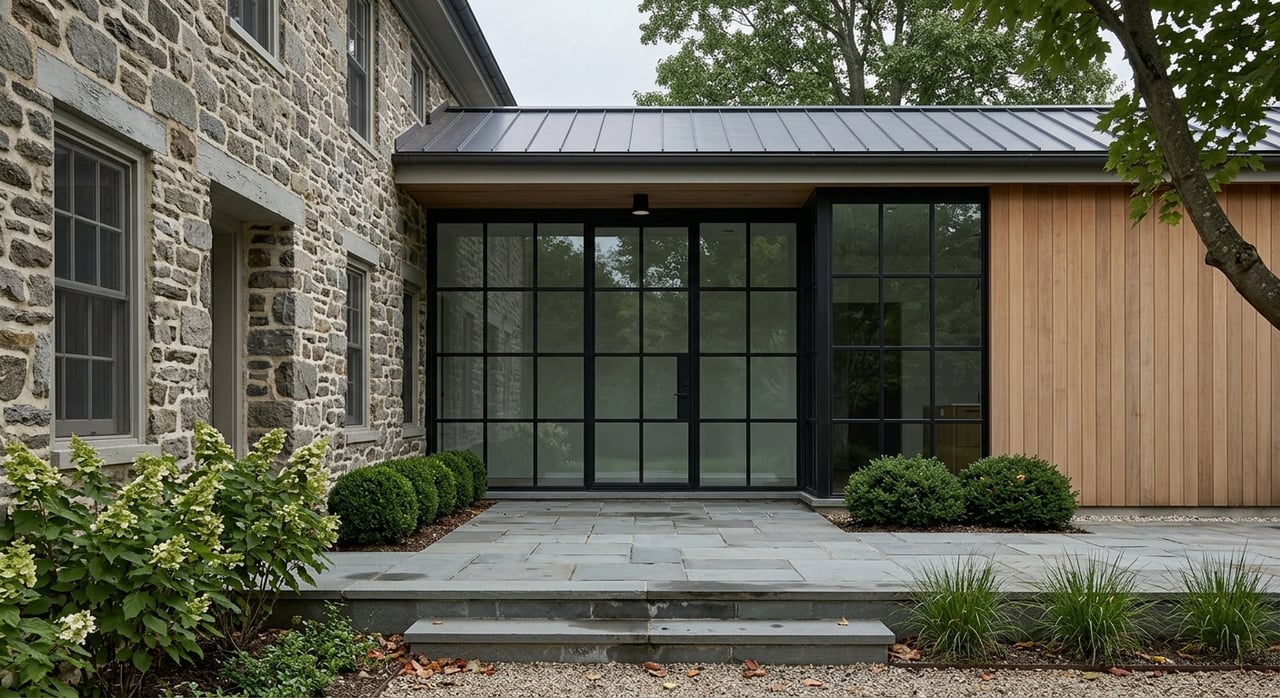
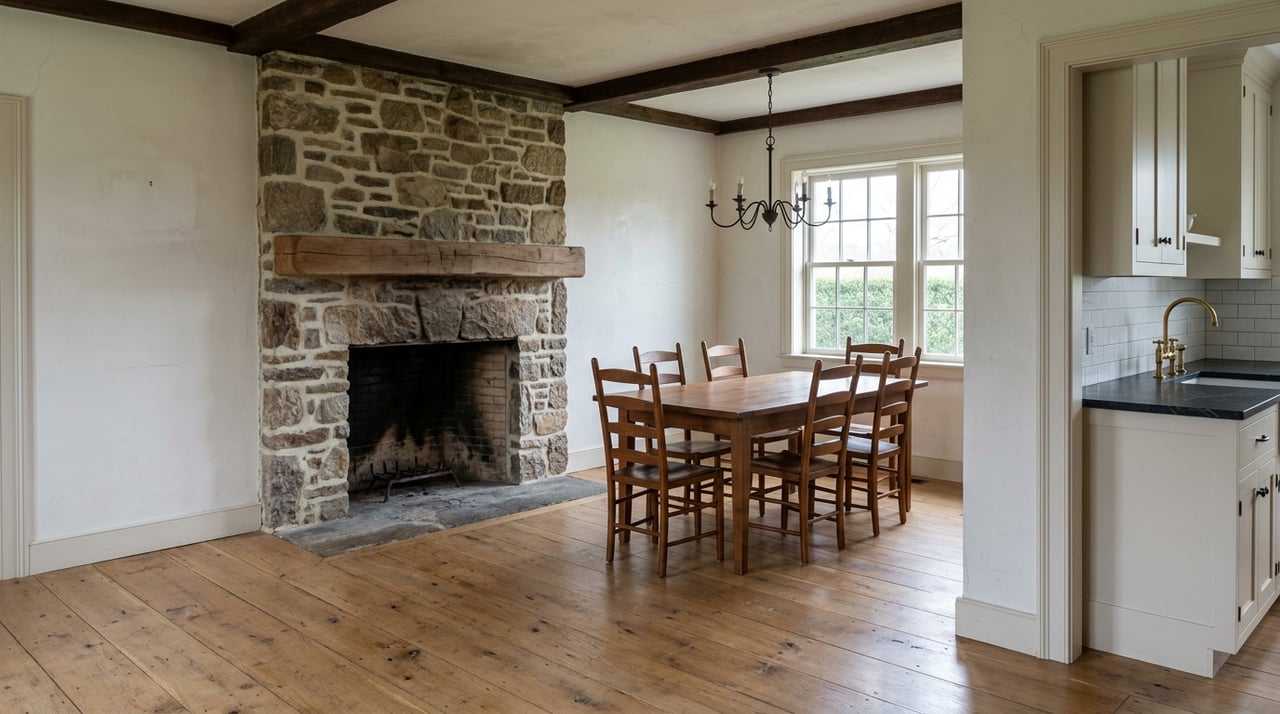
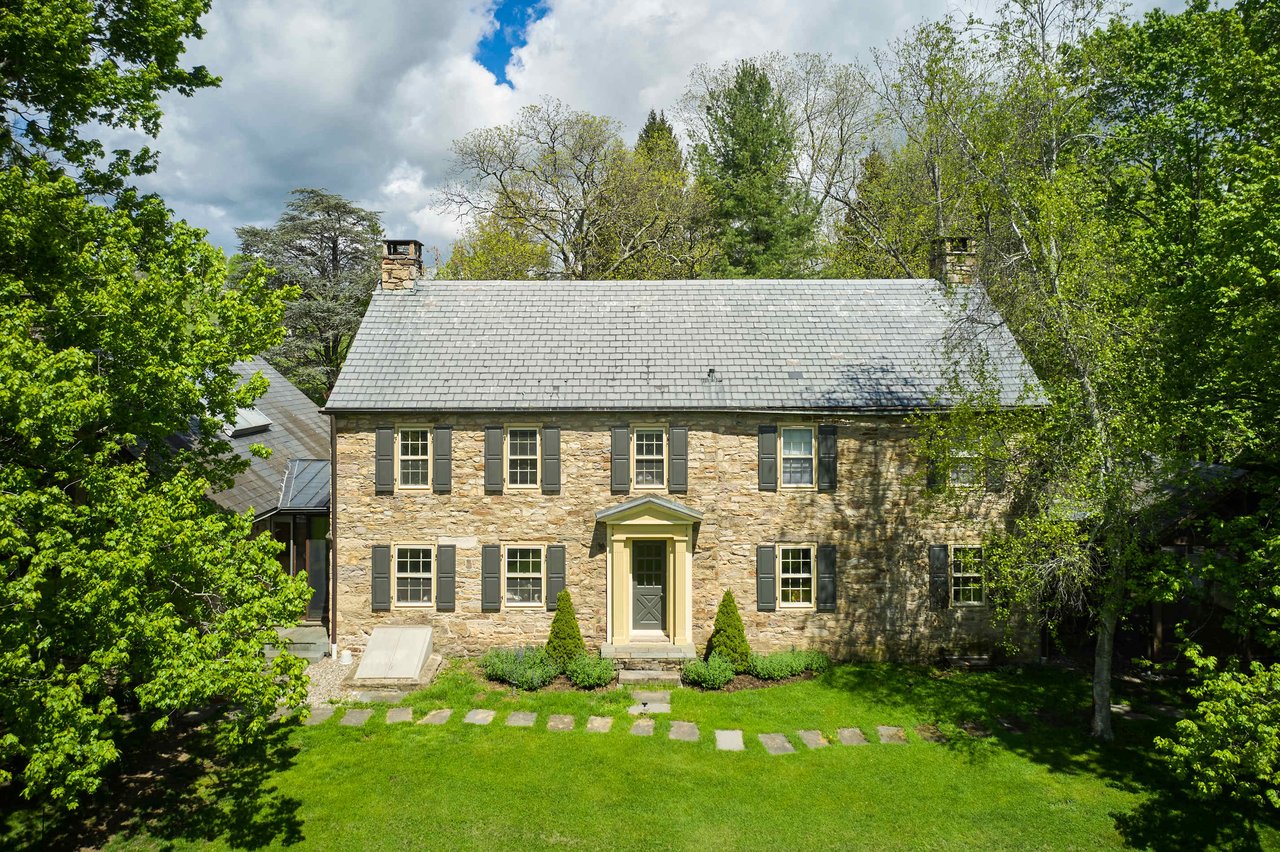
Fieldstone is the local signature. Older cottages often have rubble or dressed fieldstone walls with lime-rich mortar, raised basements, and simple gable forms. Roofs were historically slate or wood shingle. Interiors tend to be compact with original floors and trim. Expect some masonry maintenance and careful water management where lots slope toward the river or canal.
Clapboard cottages
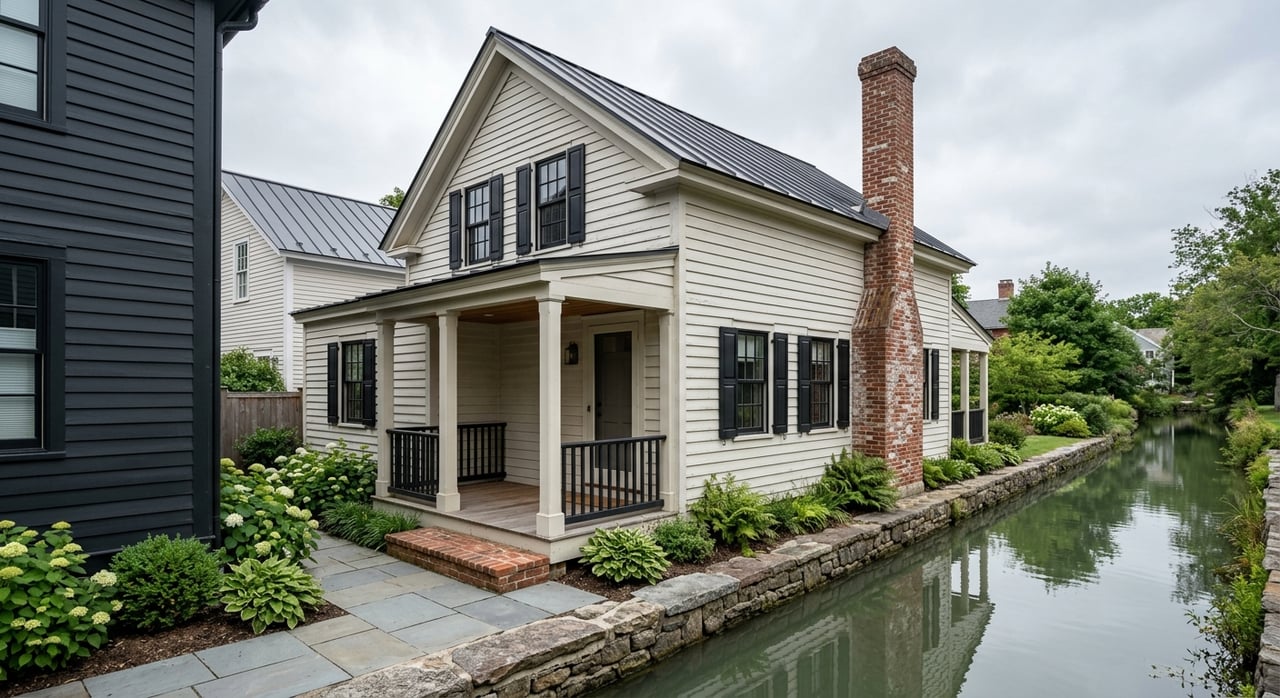
You’ll also see 1 to 1½ story wood-frame cottages with clapboard siding and porches. These homes lend themselves to selective modern upgrades while keeping original room sequences, stairs, and millwork. Their scale is modest, which appeals to buyers seeking a low-maintenance retreat with authentic character.
Carriage houses
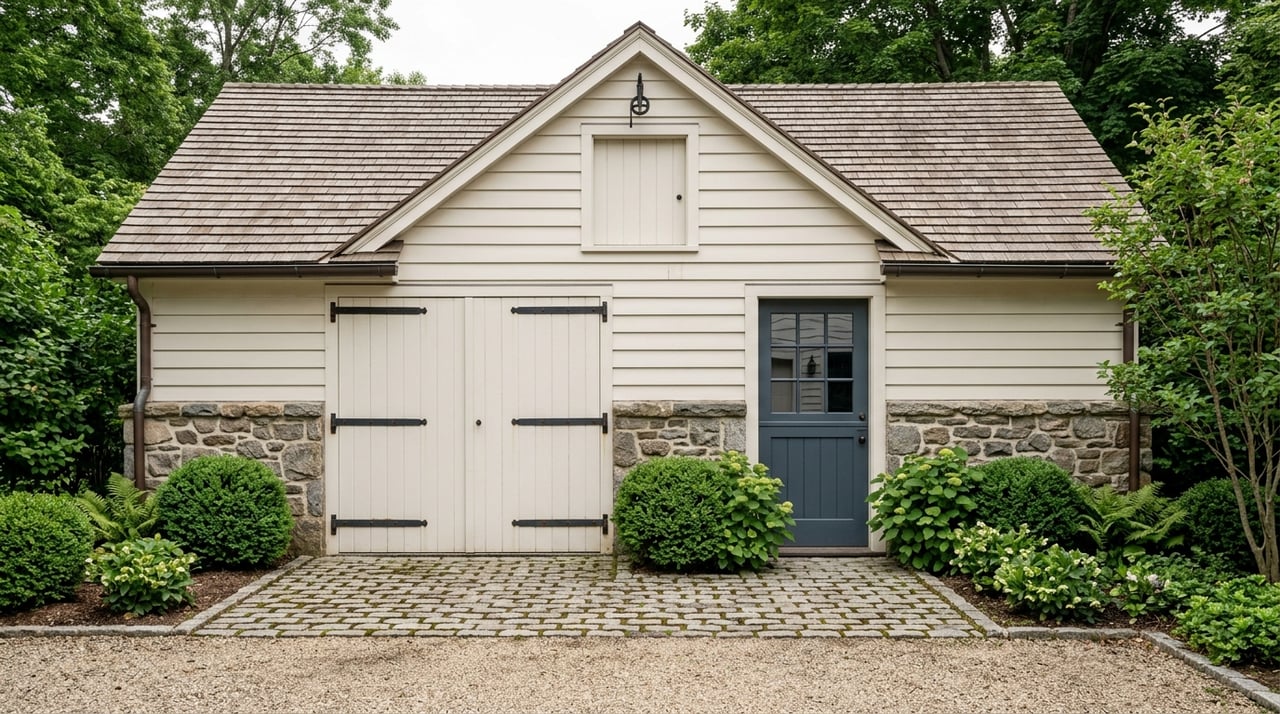
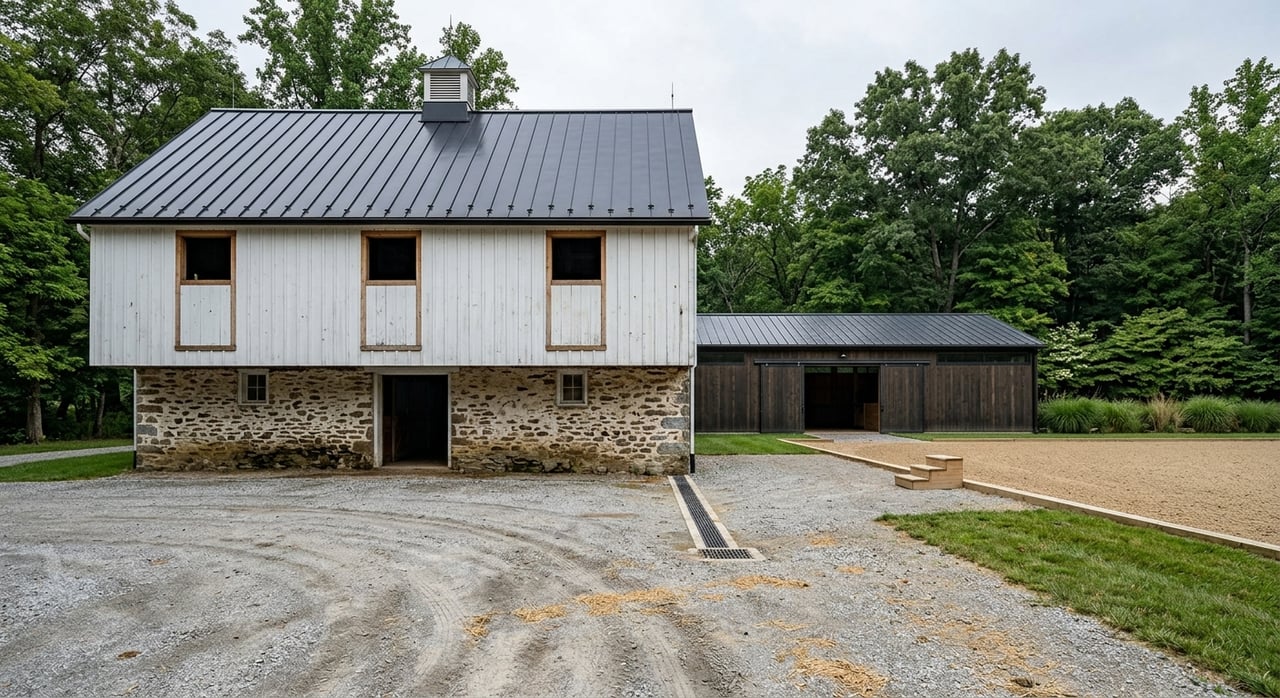
Former outbuildings often show large door openings with lofts above. Many serve as garages or studios, and some have been converted to living space. If you plan a conversion, focus on structural spans and headers, insulation and condensation control, routing new utilities, and appropriate fire separation when used as a dwelling. Preserving the large historic opening is both practical and a design win.
Canal and river lots: read the flood rules
Many properties between Main Street and the canal or river sit in mapped Special Flood Hazard Areas, commonly FEMA Zone AE. Before you fall for a canal-side porch, confirm the property’s Flood Insurance Rate Map (FIRM) panel and Base Flood Elevation, and ask for an elevation certificate if one exists. Significant renovations can trigger the National Flood Insurance Program’s “substantial improvement” threshold, generally defined as work equaling 50 percent or more of the structure’s pre-project value, which can require elevation or other mitigation. Review FEMA’s Substantial Improvement/Substantial Damage desk reference and speak with Stockton’s building and floodplain administrators early. The borough’s site provides a starting point at Stockton Borough.
Historic-resource exceptions sometimes exist within local floodplain ordinances, but they vary by jurisdiction and have conditions. Verify locally before you budget for a major rehabilitation.
Renovation that respects character
Thoughtful upgrades can raise comfort and performance without erasing history. Start with proven preservation guidance.
- Energy and HVAC. Efficient systems like heat pumps or mini-splits work well in small homes when carefully planned. The National Park Service outlines balanced strategies for sustainability in historic buildings. See the NPS page on sustainability and resilience in historic structures and Preservation Brief 3 on improving energy efficiency.
- Windows. Original wood sash often outperform replacements once repaired and paired with storm windows. Review the NPS best practices in Preservation Brief 9 on repairing wooden windows.
- Masonry. Stone cottages usually need mortar repointing over time. Matching historic mortar and joint profiles is critical. The NPS explains why hard modern mortars can damage older stone in Preservation Brief 2 on repointing mortar joints.
- Roofs. Slate and wood shingles require experienced roofers who understand flashing, valleys, and water-shedding details. Budget for specialized labor.
- Carriage-house conversions. Evaluate floor capacity, beam condition, and egress early. Consider reversible glazing strategies within original door openings to keep the outbuilding’s character legible.
Buyer due diligence: a focused checklist
Do these items before you negotiate in earnest:
- Full home inspection by a professional with older-home experience, including stone foundations, chimneys, and slate or wood roofs.
- Structural evaluation if you see wide spans, shifted foundations, or loft conversions in outbuildings.
- Flood risk review. Pull the FIRM panel, confirm Base Flood Elevation, and request an elevation certificate if the property is in an SFHA. Consult the FEMA guide on substantial improvement to understand triggers.
- Lead assessment for pre-1978 buildings and plan for lead-safe work practices. See the EPA’s guidance to protect your family from lead sources.
- Asbestos survey before demolition or major roofing work. EPA indoor air resources provide federal reference material on materials and handling. Start with the archived EPA guide on indoor air quality.
- Electrical review for knob-and-tube wiring, undersized service, and any DIY alterations.
- Sewer and water verification. Properties within Stockton Borough commonly have public sewer and water, while surrounding rural areas may use septic and well. Confirm service type, which affects renovation scope and budgeting.
- Title and permits. Check for any easements, historic covenants, or unpermitted work, especially in converted carriage houses or finished attics.
Costs, incentives, and financing
- Flood insurance. If a property is in Zone AE, lenders typically require flood insurance. Major work that meets the “substantial improvement” threshold can trigger elevation or other mitigation that adds significant cost. The FEMA desk reference on substantial improvement outlines the rules.
- Grants and credits. Single-family cottages rarely qualify for federal historic tax credits, which focus on income-producing properties. State grants like Preserve NJ often fund nonprofit or public sites. The NJ Historic Trust’s Prallsville project entry and NJ DCA’s program announcements show how funding tends to be applied.
- Financing plans. Many buyers pair a conventional mortgage with a renovation loan. For river or canal-edge homes, expect lender scrutiny of flood risk, insurance, and any planned mitigation.
Strategy for a small, character-driven market
- Define your must-haves and your flex. Focus on core character elements that are rare to replicate, such as original stonework or intact sash.
- Line up specialists. Have inspectors, structural engineers, and preservation-minded contractors ready so you can act quickly.
- Be realistic on scope. Budget for roofs, masonry, and mechanicals while aiming to retain original materials that add resale value.
- Expand your search window. With low turnover, patience and preparedness often beat speed.
Partner with a design-led advisor
Evaluating a Stockton cottage or carriage house is part architecture and part strategy. You deserve guidance that respects the building’s fabric while protecting your budget and timeline. With an architectural background and a track record across Bucks County and western New Jersey, Dana Lansing helps you pinpoint feasibility, prioritize preservation-friendly upgrades, and position your purchase for long-term value within a tight, character-driven market.
Ready to explore Stockton or value a historic property you already own? Connect with Dana Lansing to discuss your goals or to Request Your Private Home Valuation.
FAQs
What defines a “historic cottage” in Stockton?
- Typically a late 18th or 19th century stone or clapboard home with modest scale, original materials, and simple gable forms that reflect local vernacular building.
How does FEMA’s 50 percent rule affect renovations on river lots?
- If planned work equals 50 percent or more of a structure’s pre-project value in an SFHA, you may have to elevate or mitigate per NFIP rules outlined in FEMA’s substantial improvement guide.
Are there grants or tax credits for single-family cottages?
- Most state and federal incentives target income-producing or nonprofit/public projects, as shown by Preserve NJ support at Prallsville rather than private single-family homes.
What should I check before converting a carriage house?
- Assess structural spans and headers, floor capacity, insulation and condensation control, utilities routing, fire separation, and options to preserve the large historic door opening.
Do Stockton homes have public sewer and water?
- Many in-borough properties have public service while some surrounding rural areas use septic and well, which can influence renovation planning and costs.
Are original windows worth keeping in a Stockton cottage?
- Often yes; repair with storm windows can rival replacements for performance while preserving character, per NPS guidance on wooden window repair.
Where can I verify historic status or local review requirements?
- Start with the NJ Historic Preservation Office’s Hunterdon County register listings and contact Stockton Borough’s building and zoning offices for any local design review or permits.