Newtown’s Historic Borough vs New Enclave Living
If you are deciding between the charm of historic Newtown Borough and the ease of a newer Newtown enclave, you are really choosing how you want to live day to day. Some buyers want a walkable setting with architectural character and close access to shops and services. Others want newer construction, more interior space, and a neighborhood structure that can simplify maintenance. This guide will help you compare both sides of Newtown with a clear eye on lifestyle, housing stock, and practical tradeoffs. Let’s dive in.
Newtown includes two closely connected but very different settings: Newtown Borough and Newtown Township. According to the borough’s adopted open space plan, the borough is a compact 0.6-square-mile community with 2,268 residents, while the surrounding township had 19,895 residents in the 2020 Census and covers roughly 12 square miles. The township history and planning materials also note that the borough remains the historic center, while much of the area’s later residential growth happened in the township.
That distinction matters when you begin touring homes. In simple terms, the borough tends to offer older housing, tighter lots, and a more pedestrian-oriented pattern. The township tends to offer more post-1980 development, larger neighborhoods, and a more suburban feel.
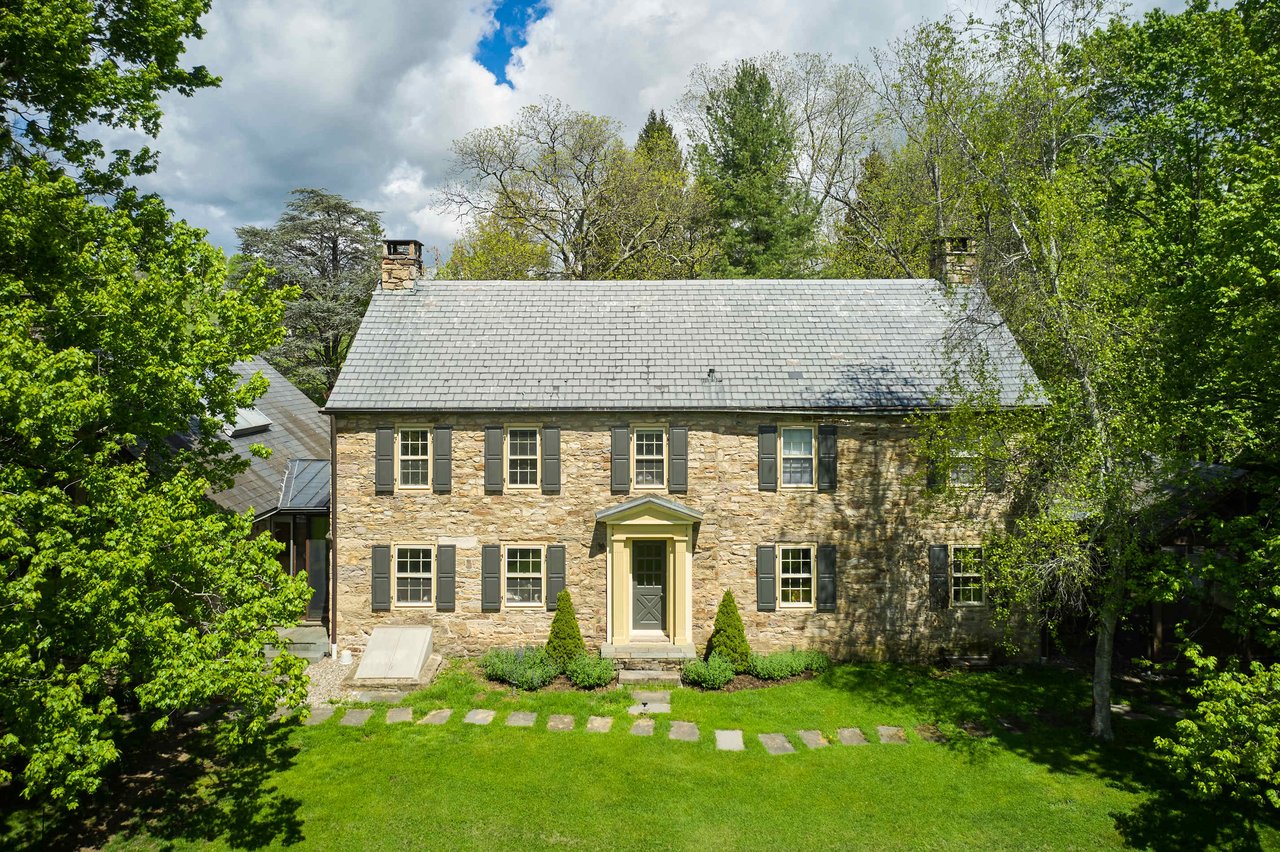
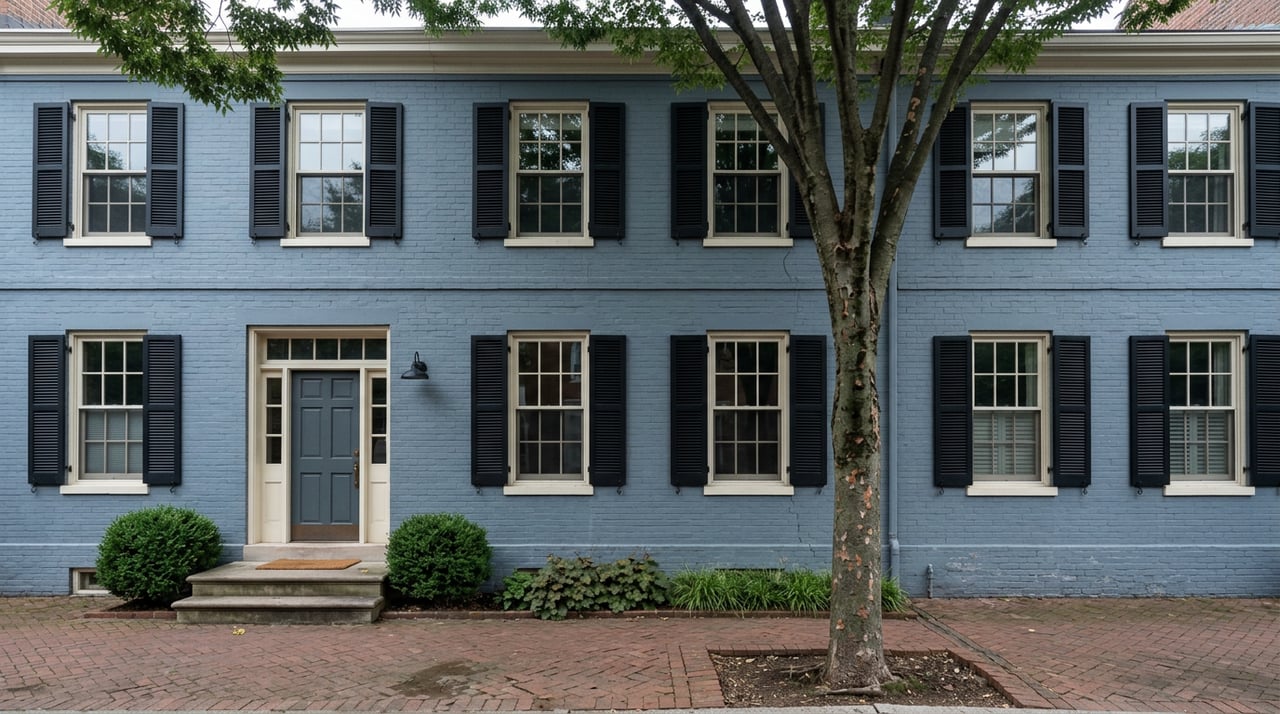
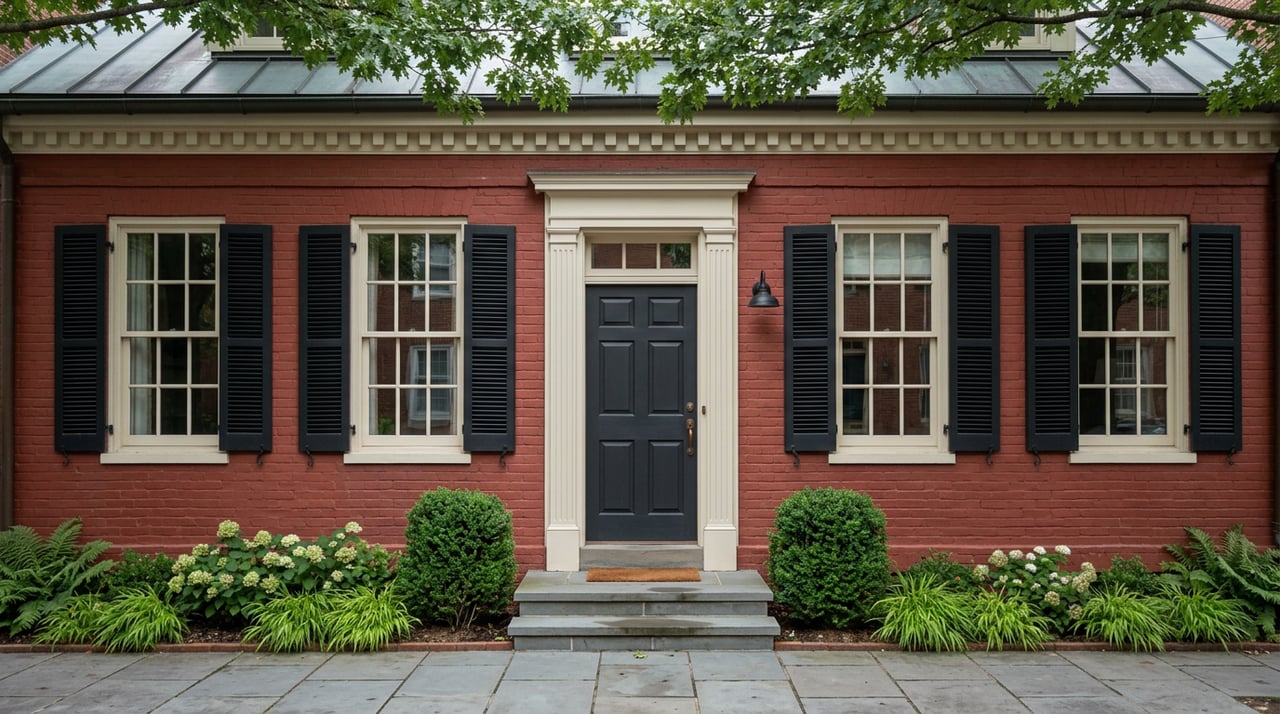
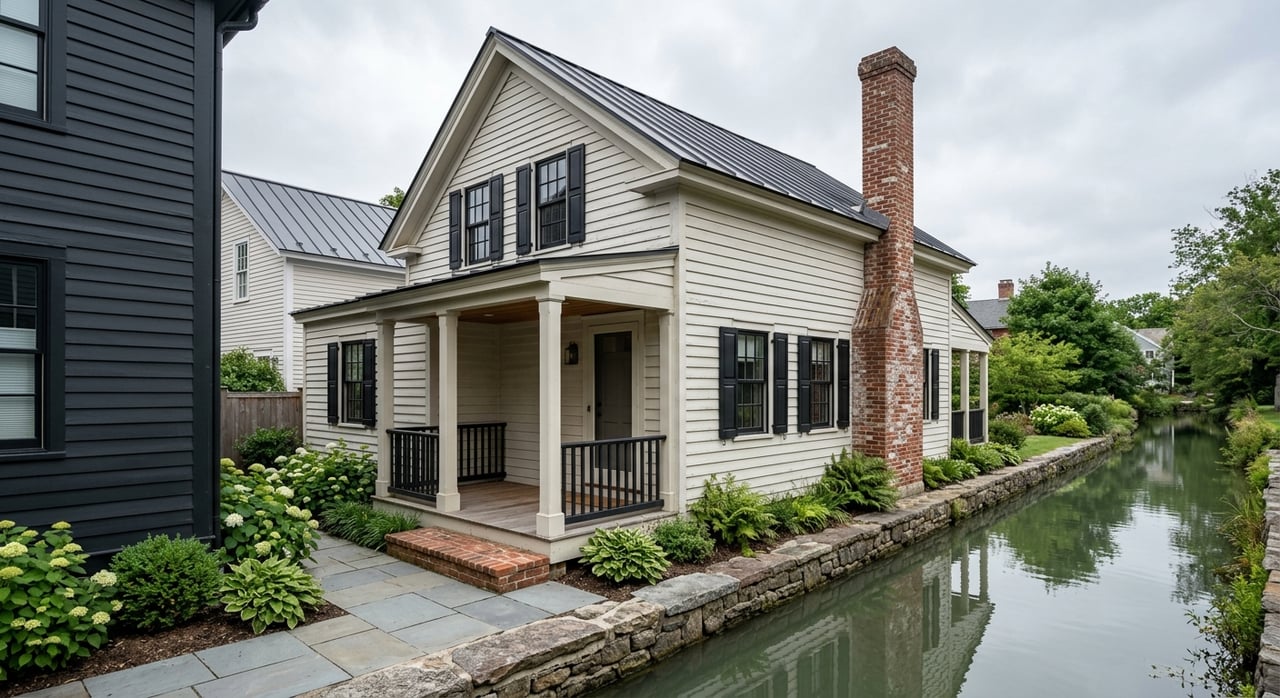
If you are drawn to architecture and place, Newtown Borough has a clear identity. The nationally recognized Newtown Historic District includes a range of styles noted in borough and historic records, including early Colonial, Classic Revival, Queen Anne, Colonial Revival, Greek Revival, Italianate, and Gothic Revival. That variety gives the borough a layered streetscape that can be difficult to replicate in newer development.
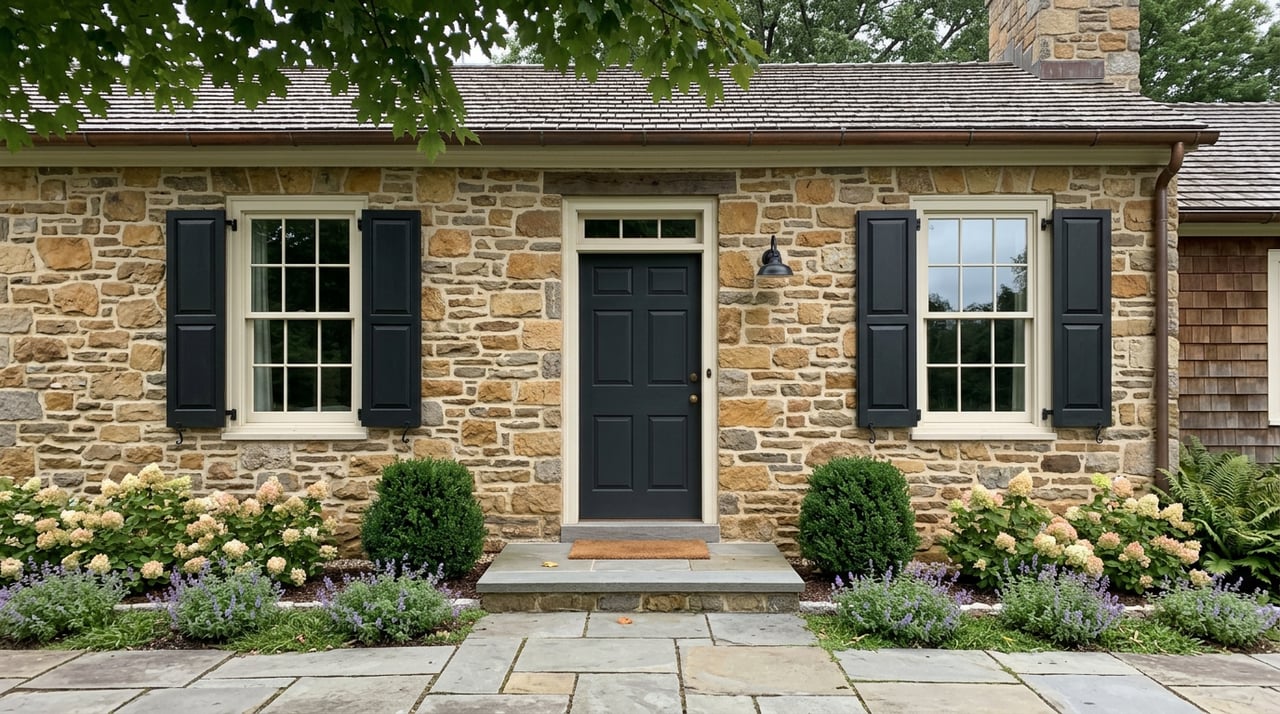
For many buyers, this is not just about curb appeal. Historic homes often offer details, proportions, and materials that make a property feel distinct. If you value provenance and design integrity, the borough can be especially compelling.
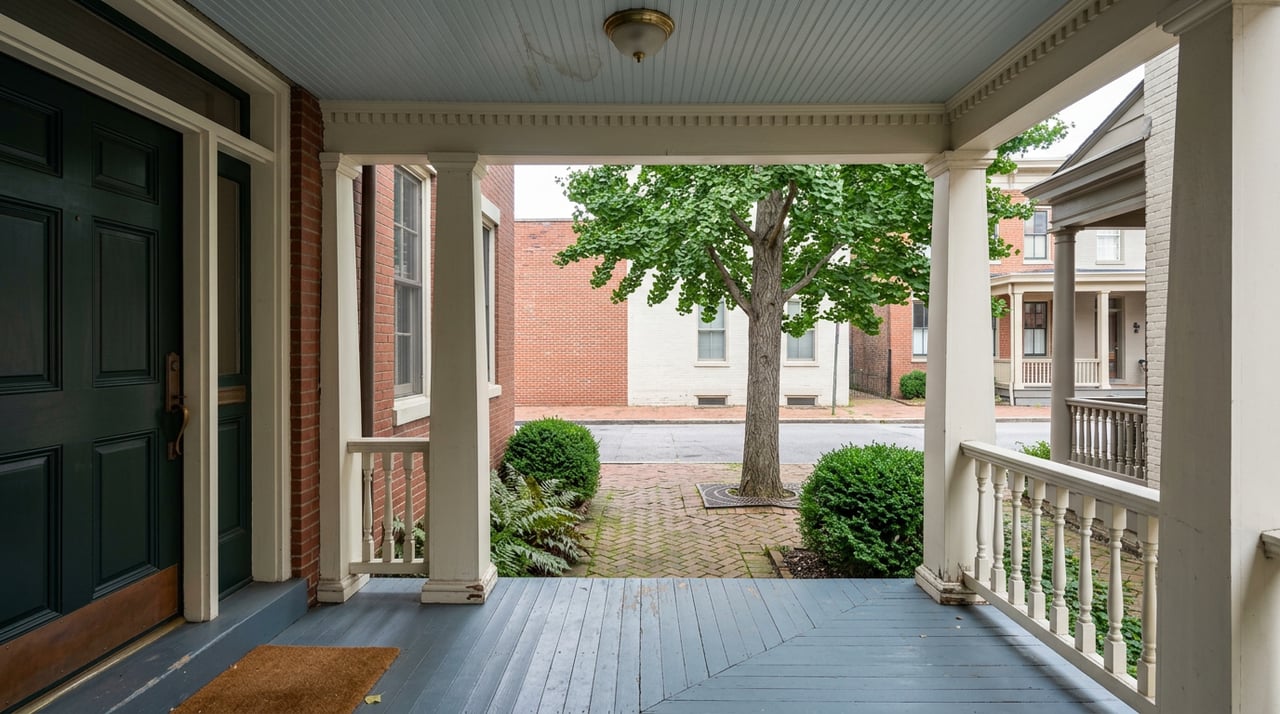
The borough’s planning documents describe a traditional street grid, pedestrian-scale development, and strong access to everyday goods and services. The borough also provides visitor information about parking, municipal lots, and State Street access, which helps frame how the historic core functions in practice.
This environment can be a strong fit if you want to park once and accomplish more on foot. Compared with a more spread-out suburban layout, the borough offers a more connected rhythm to daily life.
According to the borough’s 2022 comprehensive plan, the housing stock is primarily older and historic in nature. The 2020 housing mix was 50.7% single-family detached, 28.5% single-family attached, 4.5% twins or duplexes, and 16.3% multifamily. More than half of the homes are single-family, but the overall pattern is still compact compared with newer township neighborhoods.
That means you may need to compromise on lot size, garage space, or newer systems in exchange for location and architectural presence. For the right buyer, that exchange is worth it. For others, it may feel limiting.
The borough’s demographic profile points to a somewhat older population, with a median age of 52.5 in 2020 and an average household size of 2.13. Those numbers do not define who should live there, but they do suggest why the borough often resonates with buyers who want convenience, lower day-to-day upkeep, and a home with established character.
If you are an empty nester or simply want less house and more location, the borough may align with that goal.
Historic appeal comes with added responsibility. Newtown Township’s Joint Historic Commission protects historically and architecturally significant structures in both the borough and township, and the borough’s HARB reviews exterior changes within the historic district.
That does not mean every decision is tightly controlled. The HARB materials state that interior changes and paint colors are not reviewed. Still, if you are considering window replacement, exterior additions, or façade changes, it is wise to understand the review process before you buy.
The joint comprehensive plan notes a 15,000-square-foot minimum lot size in a borough-adjacent residential district, reinforcing the compact development pattern visible in and around the historic center. In everyday terms, homes in this part of Newtown often sit closer together and closer to the street than homes in outer township enclaves.
That pattern supports walkability and a traditional neighborhood feel. It can also mean less private yard area and less separation from neighboring homes.
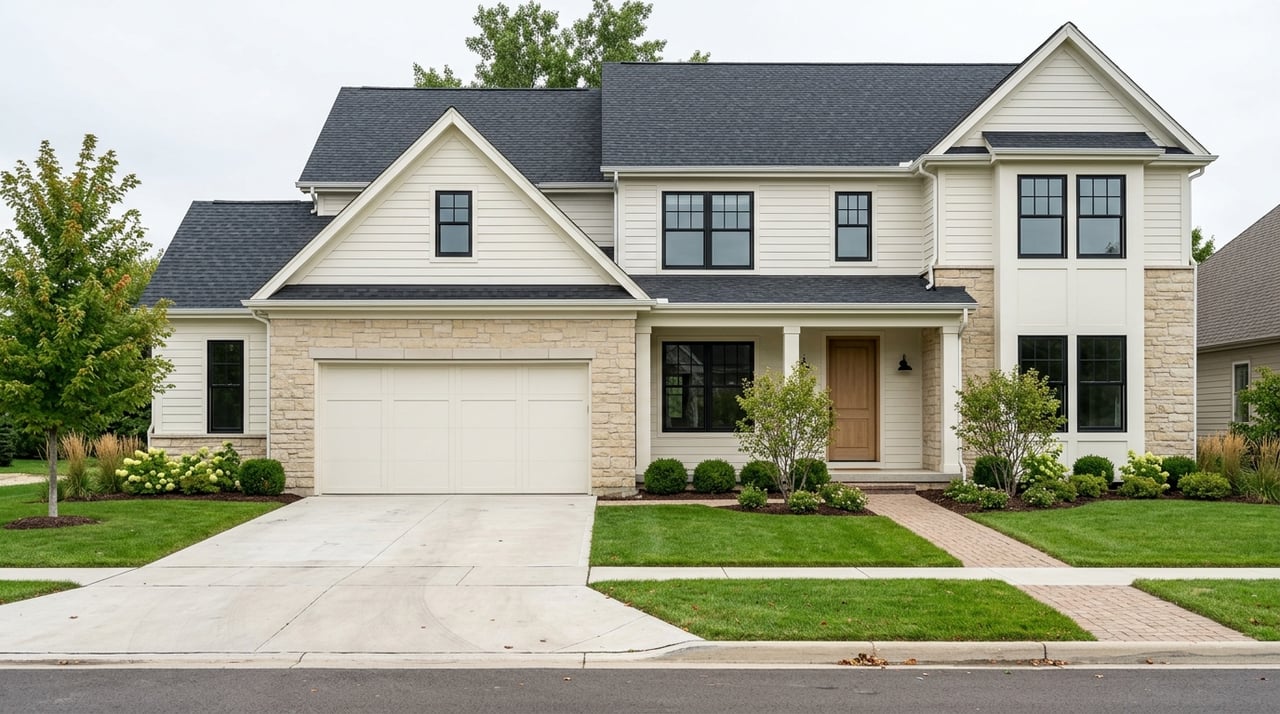
If your priority is low-maintenance living, newer Newtown communities may be the better fit. Bucks County planning material notes that 78.4% of Newtown Township housing units were built since 1980, which gives the township a much newer housing profile overall than the borough.
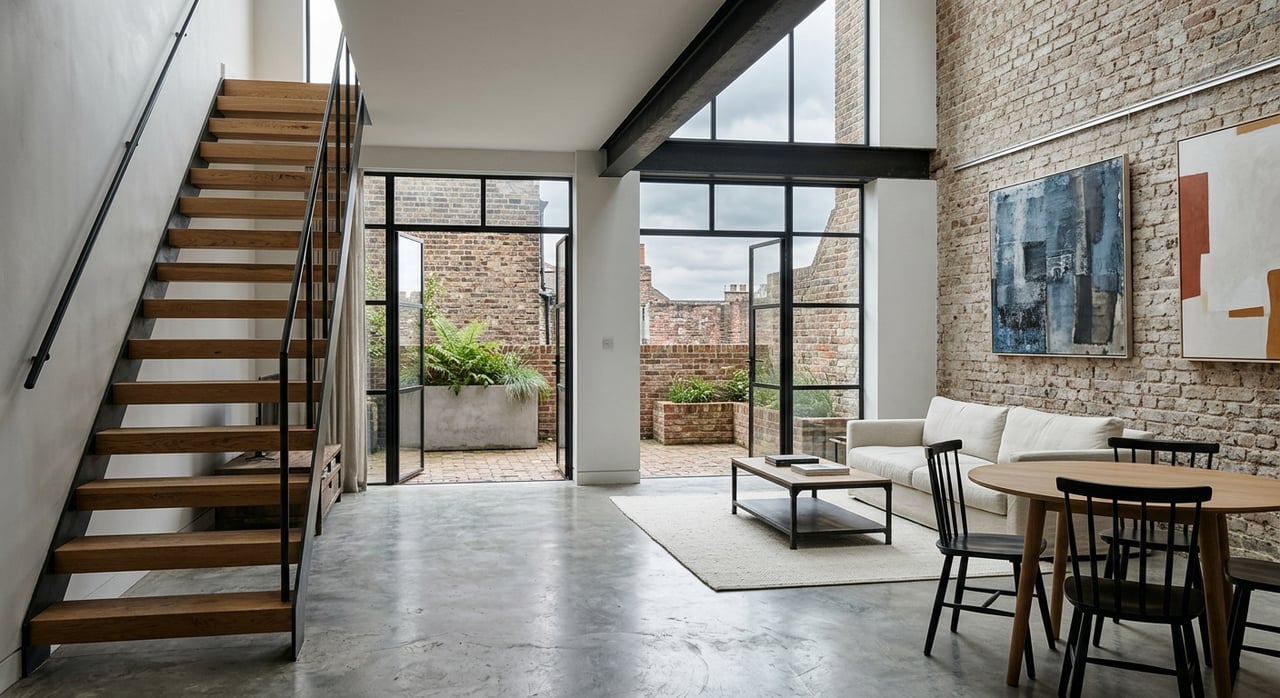
For buyers who prefer updated layouts, newer mechanical systems, and more predictable maintenance, that can be a major advantage. You may also find floor plans designed around contemporary living, including larger kitchens, attached garages, and more open common areas.
Township homes can offer more breathing room. Research examples in the township show options ranging from townhomes with modest lots to detached homes on about half an acre. That range creates more choice for buyers who want either a lock-and-leave setup or a detached home with more outdoor space.
This is where the contrast with the borough becomes most obvious. In the township, you are more likely to find newer enclaves where private space, roadway layout, and neighborhood amenities shape the experience more than a historic downtown street grid.
Several newer communities illustrate the tradeoff clearly. Newtown Gate is an HOA community with townhomes and condominiums and published rules and regulations. Tyler Walk, referenced in the research, includes 346 homes and amenities such as a pool, clubhouse, tennis courts, and playground.
For some buyers, this setup is ideal. Shared amenities and association governance can reduce private yard work and create a more managed neighborhood environment. For others, HOA rules and monthly costs may feel restrictive.
In newer areas, infrastructure responsibilities can differ from one neighborhood to the next. According to the Newtown Township roads page, private or non-dedicated roads are the responsibility of the builder, HOA, or property owners, while dedicated roads are maintained by the township.
That is an important detail to review during due diligence. If you are buying in an HOA neighborhood, road maintenance and related costs may affect your long-term ownership experience.
It is also important to know that association governance is only part of the picture. The township’s code enforcement reminders state that HOAs enforce their own bylaws, while certain work may still require township approval. The permit pages also note that a certificate of occupancy is required before occupying a new dwelling.
If you are purchasing newer construction or planning improvements after closing, these details can help you avoid delays.
If commuting flexibility matters, the borough has a practical edge. The borough plan notes that SEPTA Route 130 runs through Newtown and connects to the Langhorne West Trenton Regional Rail station. The same planning framework also emphasizes walking and biking as realistic transportation options within the borough.
That does not make the borough car-free, but it does offer more alternatives. If you want a more connected, less car-dependent pattern, this can be a meaningful benefit.
The township side is more closely tied to roadway access. Official materials highlight I-95/I-295, Route 1, SR 332 or Newtown Bypass, and SR 413 as key connections. For many buyers, especially those balancing larger homes, school schedules, or regional travel, that suburban road network works well.
Your choice comes down to how you move through your week. If your ideal day includes walking to nearby destinations, the borough may feel more natural. If your routine centers on driving and you want easier access to larger residential neighborhoods, the township may be the better match.
Both the borough and township are within Council Rock School District, which serves Newtown Borough and four surrounding townships across 72 square miles. The district operates 10 elementary schools, 2 middle schools, and 2 high schools. In Newtown, the official school pages identify Goodnoe Elementary, Newtown Elementary, Newtown Middle School, and Council Rock High School North.
Because both settings fall within the same district, most buyers are not choosing between different school systems when they compare borough and township homes. Instead, the decision is more often about house style, lot size, commute pattern, and maintenance preferences.
From a design perspective, this is not simply a choice between old and new. It is a choice between two different living patterns. The borough offers architectural texture, compact planning, and a sense of continuity. Newer enclaves offer convenience, predictability, and housing designed around more contemporary expectations.
That is why a careful property evaluation matters. A historic home may offer lasting architectural value but require more thoughtful stewardship. A newer home may reduce immediate maintenance but come with HOA structure, less individuality, or a different relationship to the street and neighborhood.
There is no universal winner in the historic borough versus newer enclave debate. The right answer depends on whether you are prioritizing character or convenience, walkability or space, stewardship or simplicity. In Newtown, both options can be appealing, but they serve different lifestyles.
If you want help evaluating which side of Newtown fits your goals, or if you need an expert eye on architectural character, renovation potential, or resale positioning, Dana Lansing offers thoughtful, design-informed guidance tailored to distinctive Bucks County homes.
Stay up to date on the latest real estate trends.
Dana's many repeat clients are a testament to the experience she brings to the process and the level of service she provides. With her knowledge of the market, she can also help clients understand what improvements make financial sense.