Living in Historic Doylestown: Daily Life and Homes
Picture yourself stepping out your front door and strolling a few blocks for coffee, a gallery opening, or a film at the art‑house theater. That is daily life in Doylestown’s historic core, where brick sidewalks, period architecture, and a vibrant cultural scene make errands and evenings feel simple and close. If you want small‑town character with real convenience, this walkable borough offers a compelling mix. In this guide, you’ll learn how the town lives day to day, what homes you’ll find in the historic district, and the practical details that help you plan a move. Let’s dive in.
Doylestown is the county seat of Bucks County and a compact, walkable borough surrounded by suburban neighborhoods. The borough itself is home to roughly 8,300 to 8,400 residents, which keeps the scale intimate while still supporting great dining, culture, and services.
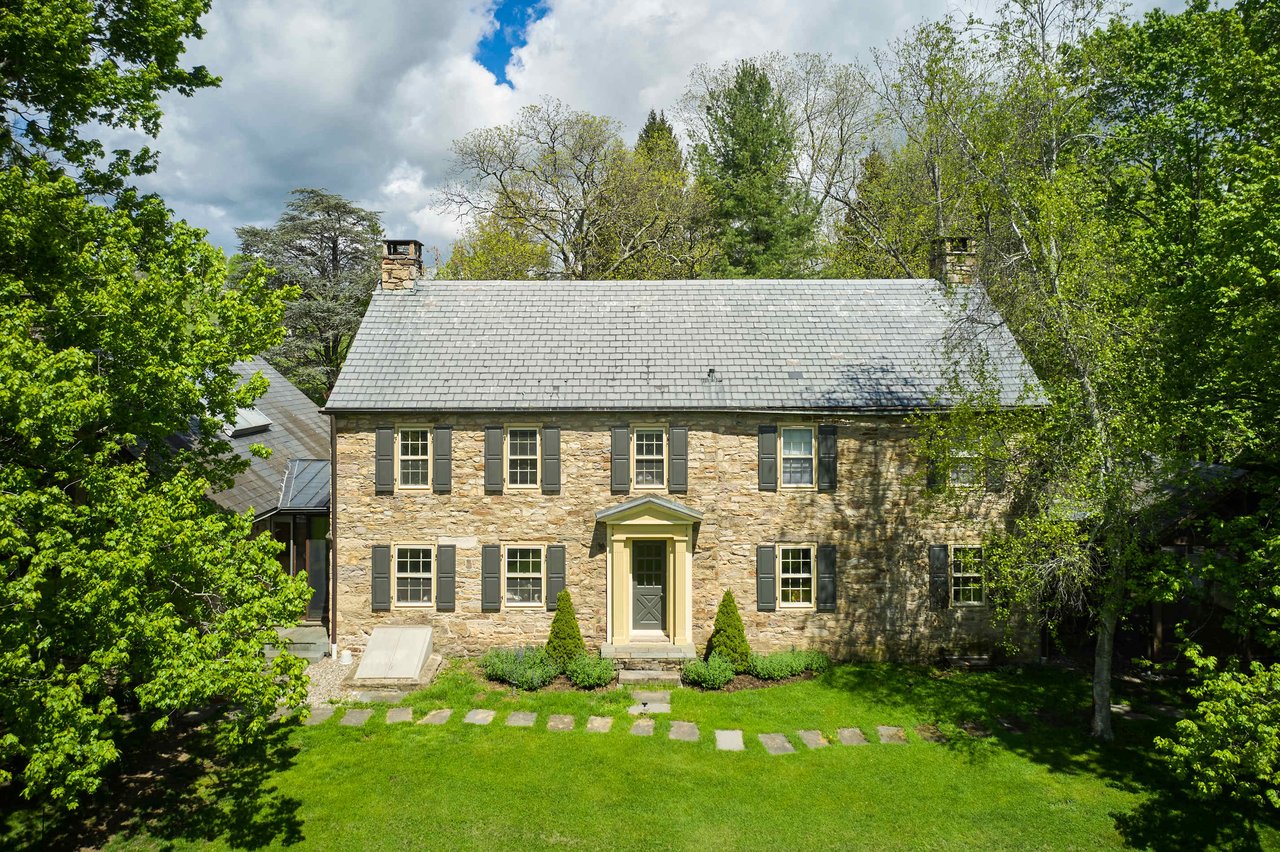
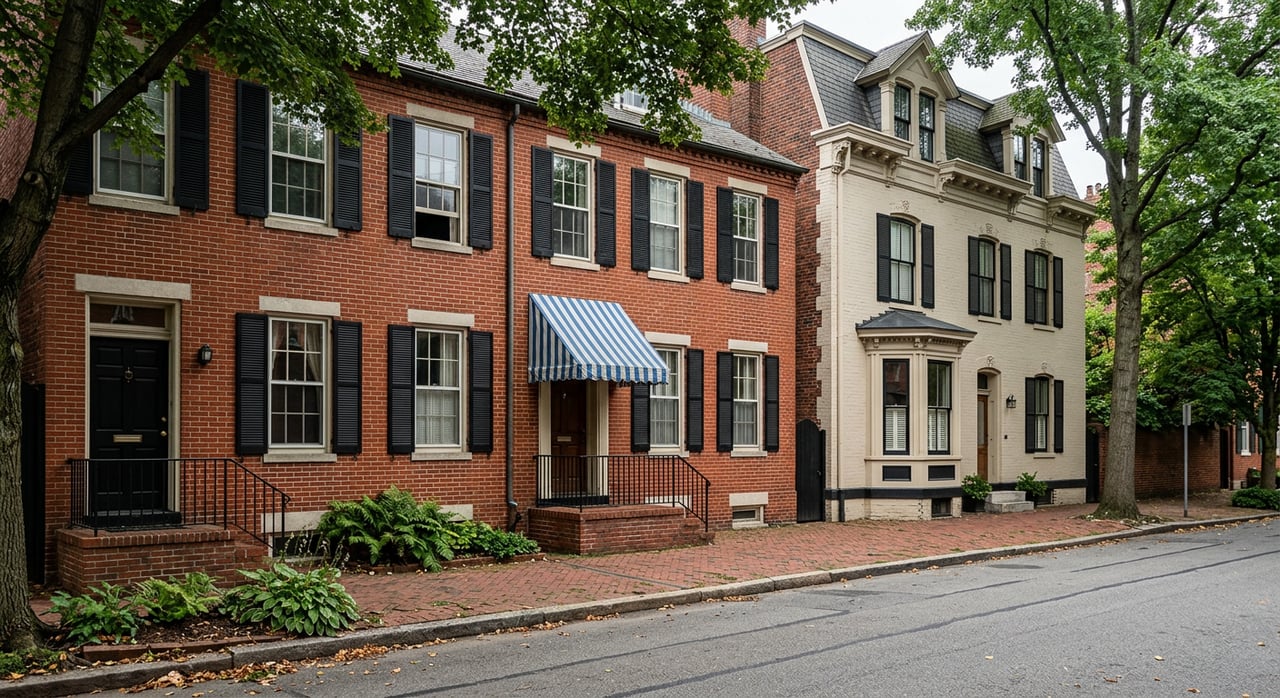
Much of the center sits within the Doylestown Historic District, listed on the National Register since 1985. You’ll see Federal, Late Victorian, Queen Anne, and Colonial Revival buildings that give the downtown its distinctive streetfronts and converted homes. For background on the district’s footprint and styles, review the National Register summary of the Doylestown Historic District.
The core streets — State, Court, and Main — are compact and pedestrian friendly. Sidewalks and short block lengths keep errands simple, and many residents can reach cafés, restaurants, and shops on foot. The downtown ZIP earns a high walkability score, often described as a Walker’s Paradise. You can confirm the core’s pedestrian strengths on Walk Score’s Doylestown page.
Doylestown’s independent food scene is a standout. You’ll find BYOB Italian, wine bars, pubs, counter‑service spots, bakeries, and coffee shops clustered in the center. Many open onto seasonal patios, and the borough supports outdoor dining during festival weekends. To survey options and plan a night out, explore the borough’s Dine Local directory.
Cultural life anchors the town’s identity. The James A. Michener Art Museum presents rotating exhibitions and evening programs that draw a regional audience. Check the Michener Art Museum for current shows and events. A few blocks away, the Mercer Museum and Fonthill Castle add a unique lens on American craft and local history. The County Theater and small galleries round out the schedule with films, talks, and openings.
Each September, the Doylestown Arts Festival transforms downtown into a two‑day street fair that supports local makers and galleries while bringing extra energy to restaurants and shops. See festival details on the Doylestown Arts Festival site.
Even in the borough’s historic grid, you are close to green space. Small municipal parks like Broad Commons, Burpee Park, and Hillside Avenue Park offer playgrounds and informal gathering spots. They make quick outdoor breaks easy and give families and dog owners low‑key destinations within a short walk. For locations and amenities, browse the borough’s parks list.
Doylestown is the northern terminus of SEPTA’s Lansdale/Doylestown Regional Rail line, and the station sits within walking distance of the core. Regular trips to Center City are realistic for workdays and weekends. Local shuttle services connect neighborhoods to the station. Because schedules shift seasonally, check current timetables on SEPTA’s site before you ride.
If you drive, PA‑611 and US‑202 provide straightforward routes to surrounding suburbs and connect to the Pennsylvania Turnpike corridor. Travel time to Center City Philadelphia varies with traffic, so plan ahead during peak periods.
The borough offers a mix of free and metered parking, county garages, and ParkMobile pay options. There are also publicly listed EV charging stations in municipal lots. For maps, rules, and festival‑weekend updates, use the borough’s parking guide.
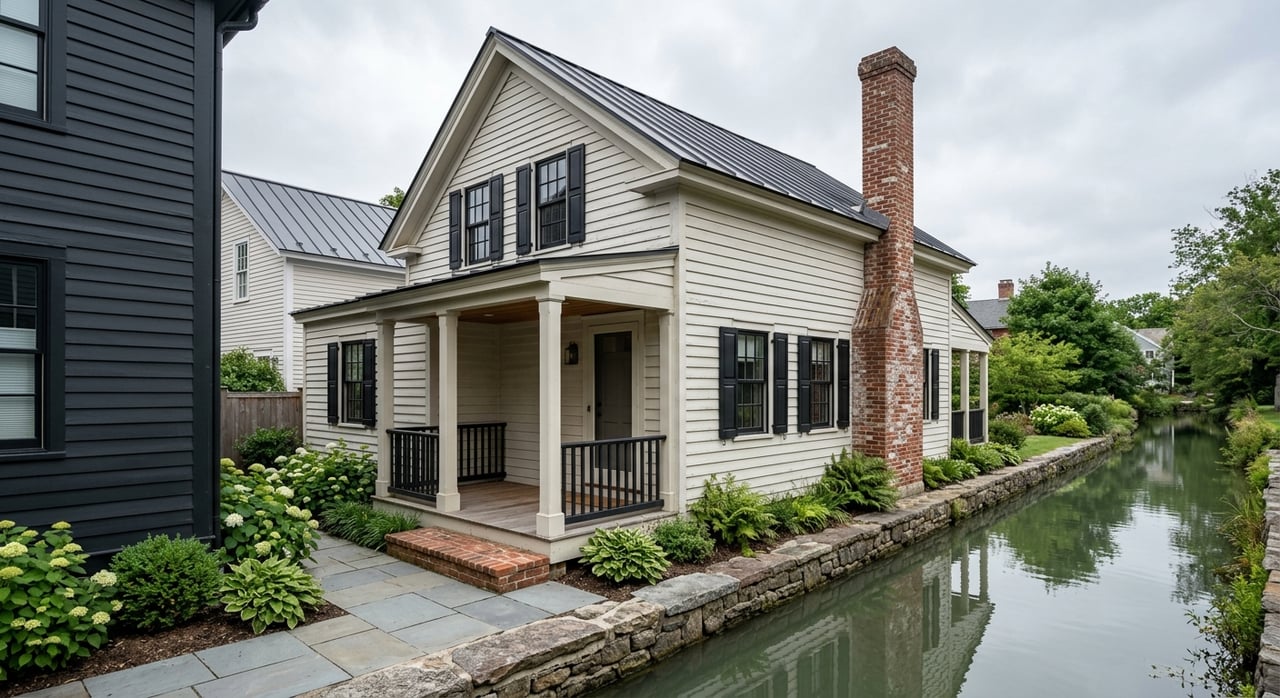
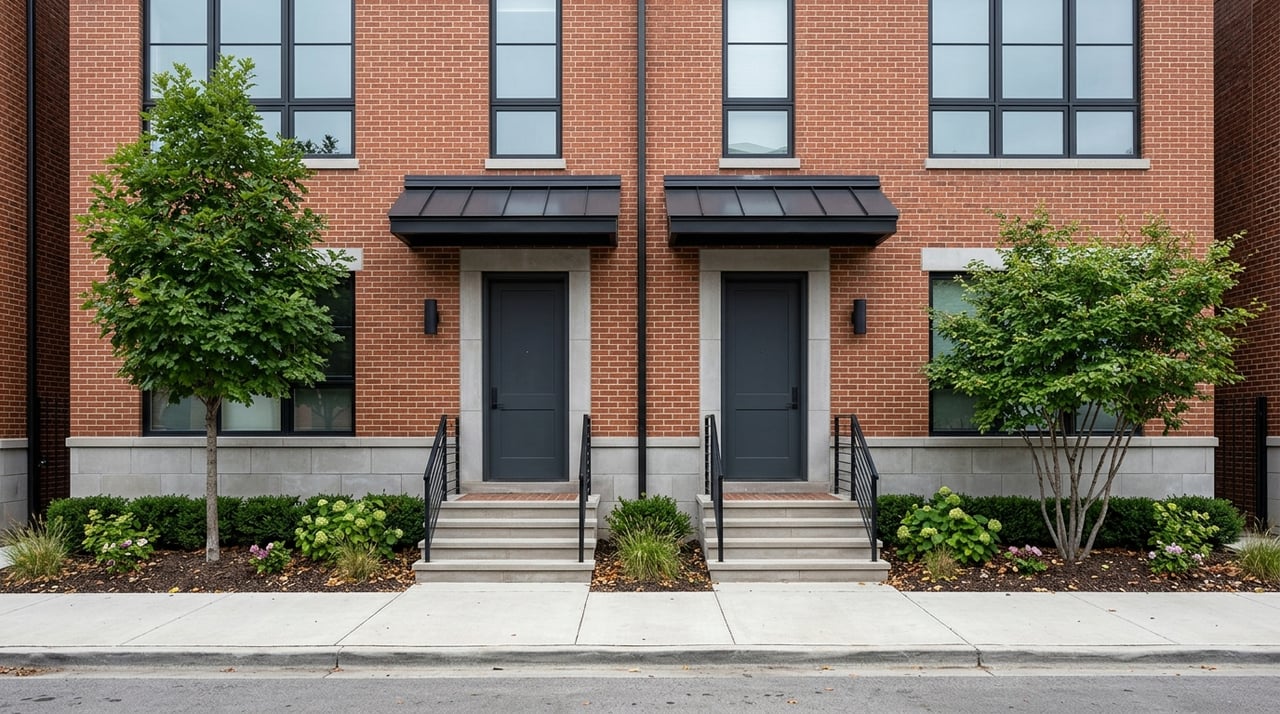
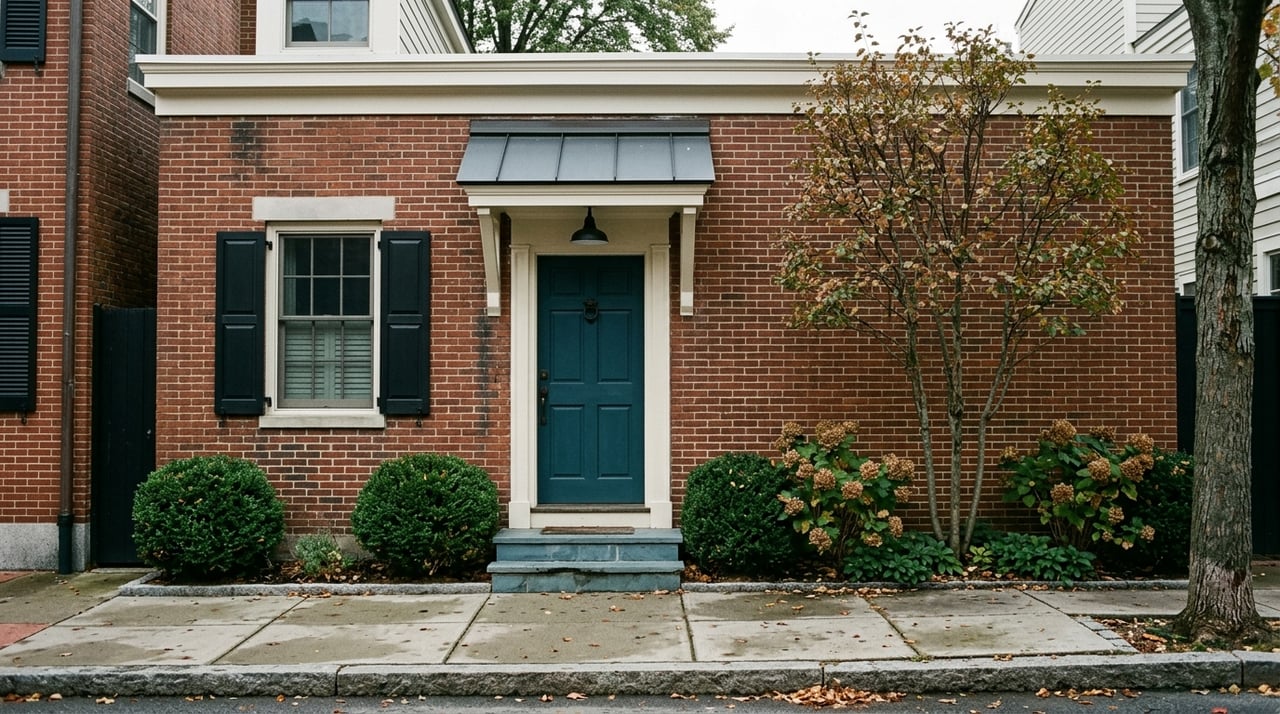
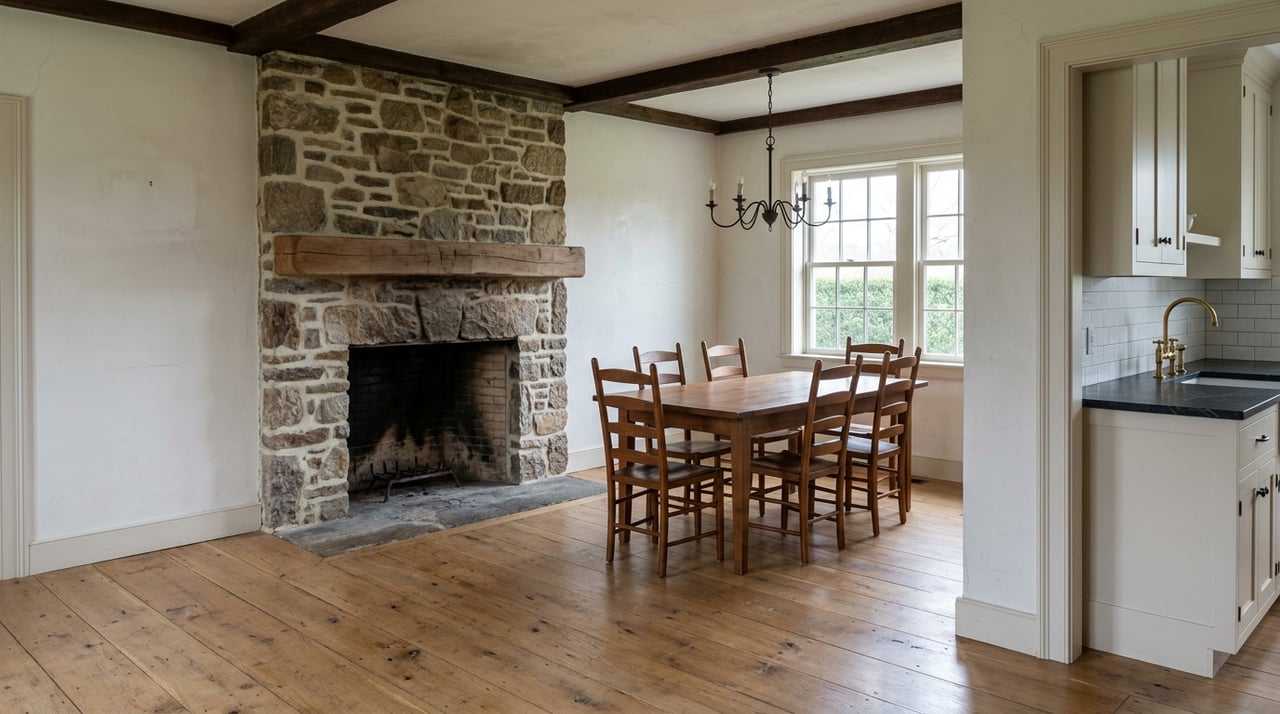
Inside the historic district you’ll find 19th‑ and early‑20th‑century homes with period details — think fireplaces, original trim, and tall windows — often on smaller lots. Many grand Victorians have been thoughtfully restored, while others have been adapted into duplexes or small multi‑unit buildings. Short rows of brick or clapboard townhouses line several streets near the center. These properties tend to command a premium compared with farther‑out subdivisions thanks to their walkable location and character.
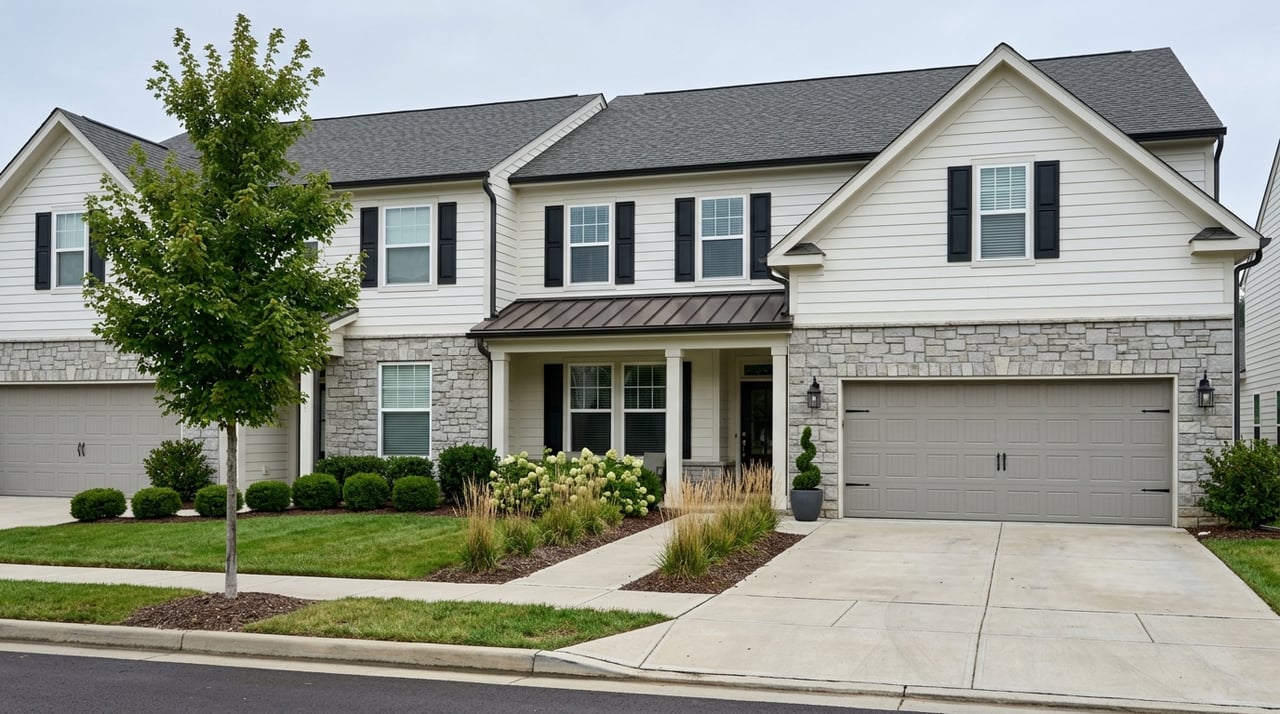
Close to the station and on the immediate outskirts, you will see planned townhouse pockets and small condo buildings, many built in the 1990s and 2000s. They combine modern systems with HOA maintenance and easy access to downtown. These homes often appeal if you want a lock‑and‑leave setup while keeping evenings walkable.
Step just outside the borough into Doylestown Township and nearby Bucks County communities and you will find larger‑lot single‑family homes and subdivisions built from the 1980s onward. These neighborhoods offer more yard space and quieter streets while staying within a short drive of borough dining, museums, and parks.
Pricing varies by ZIP code and home type. As of January 2026, market snapshots for the walkable core (ZIP 18901) showed a median sale price around 635,000 dollars, while broader Doylestown‑area medians ranged from the mid‑to‑high 700,000s to around 1 million dollars depending on neighborhood and ZIP. Inventory and medians change frequently, and borough properties often price differently than township addresses. If you’re comparing options, focus on micro‑location, house type, and recent nearby sales from the same ZIP and setting.
If you want less yard work and more life within a few blocks, the borough’s small‑lot historic homes and townhouses suit that shift well. Proximity to dining, museums, parks, and local healthcare keeps daily routines efficient. The borough’s age profile skews older than many suburbs, which reflects how well the compact setting serves residents who prefer to walk for errands and culture.
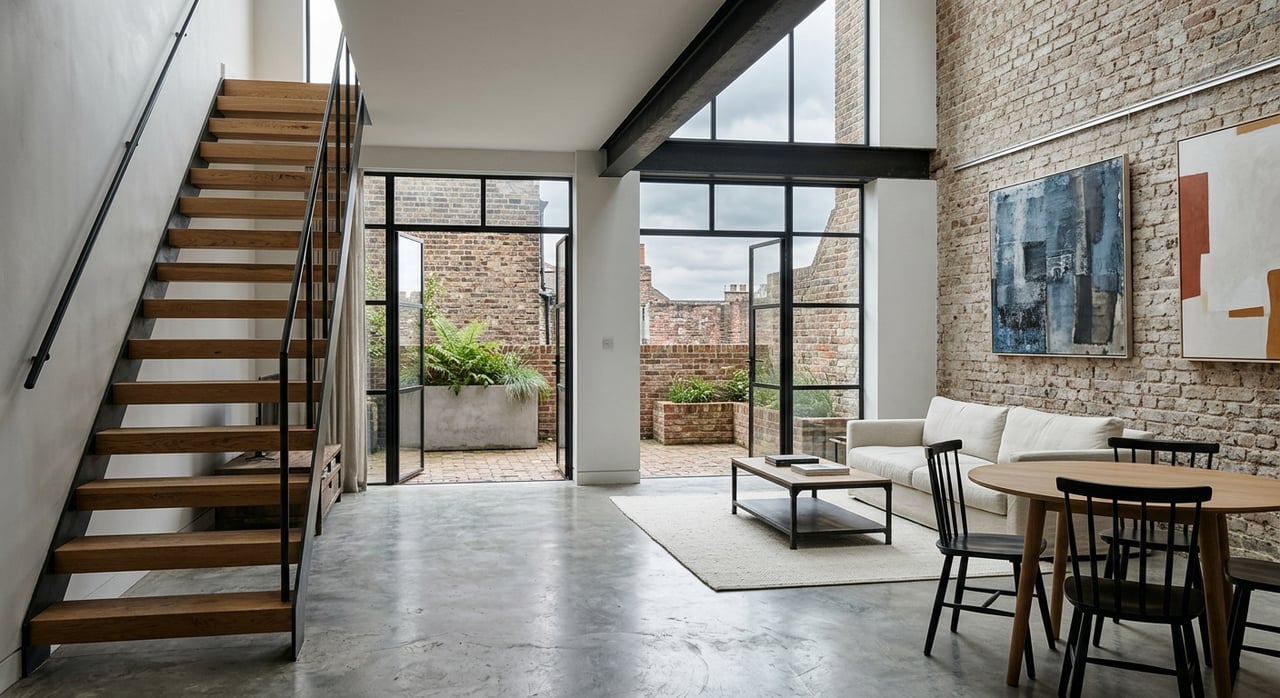
The density of museums, galleries, and the annual arts festival gives Doylestown an arts‑forward rhythm. If you are drawn to craftsmanship, original woodwork, and architectural variety, the historic district offers generous raw material and inspiration. Many buyers pair a love of period details with thoughtful updates that respect the house and elevate everyday function.
Families often look to the surrounding single‑family neighborhoods for more space and a quieter street pattern while staying close to the borough’s resources. Short drives to parks, seasonal events, and museum programs keep weekends simple. If you balance yard needs with a desire for in‑town dining and culture, this near‑in ring delivers both.
Addresses in the borough are served by the Central Bucks School District, one of Pennsylvania’s larger districts. Several elementary and middle schools, plus at least one high school campus, serve Doylestown addresses. Because boundaries can change, verify your assigned schools using the district’s official CBSD school listings.
Doylestown Hospital is just minutes from downtown and offers a broad range of inpatient and outpatient services. The hospital’s technology leadership and regional partnerships are important for both downsizers and households that want strong care nearby. Learn more about recent recognitions through Doylestown Health.
Start a Saturday with a short walk for coffee, then tour a new exhibition at the Michener. Grab lunch at a local café and head to Burpee Park for an hour outside. In the afternoon, poke into a few shops on State Street, then meet friends for dinner where sidewalk seating brings the evening to life. If you feel like a late film, the County Theater is a quick stroll away — and the walk home is just as charming.
If you want design‑savvy guidance as you compare a historic house in the borough with a nearby townhouse or larger‑lot option, connect with Dana Lansing for tailored advice and a discreet, high‑touch process. Request Your Private Home Valuation.
Stay up to date on the latest real estate trends.
Dana's many repeat clients are a testament to the experience she brings to the process and the level of service she provides. With her knowledge of the market, she can also help clients understand what improvements make financial sense.