Bucks County Estate: Auction vs Private Sale Explained
If you are selling a significant estate in Bucks County, one question can shape the entire outcome: Should you choose an auction or a private sale? It is a fair question, especially in areas like Point Pleasant and Plumstead Township, where properties can include acreage, preserved farmland, historic buildings, and architecturally distinctive homes that do not always fit a standard listing formula. The right path depends on your goals for privacy, timing, and buyer reach. Let’s dive in.
In the 18950 area, including Point Pleasant and Plumstead Township, the local setting is part of the story. Plumstead Township describes the area as one that has retained a rural character, with many working farms, nearly 3,000 acres preserved through conservation easements, and about 2,800 acres of preserved farmland. That kind of landscape often creates properties with more complexity than a typical suburban resale.
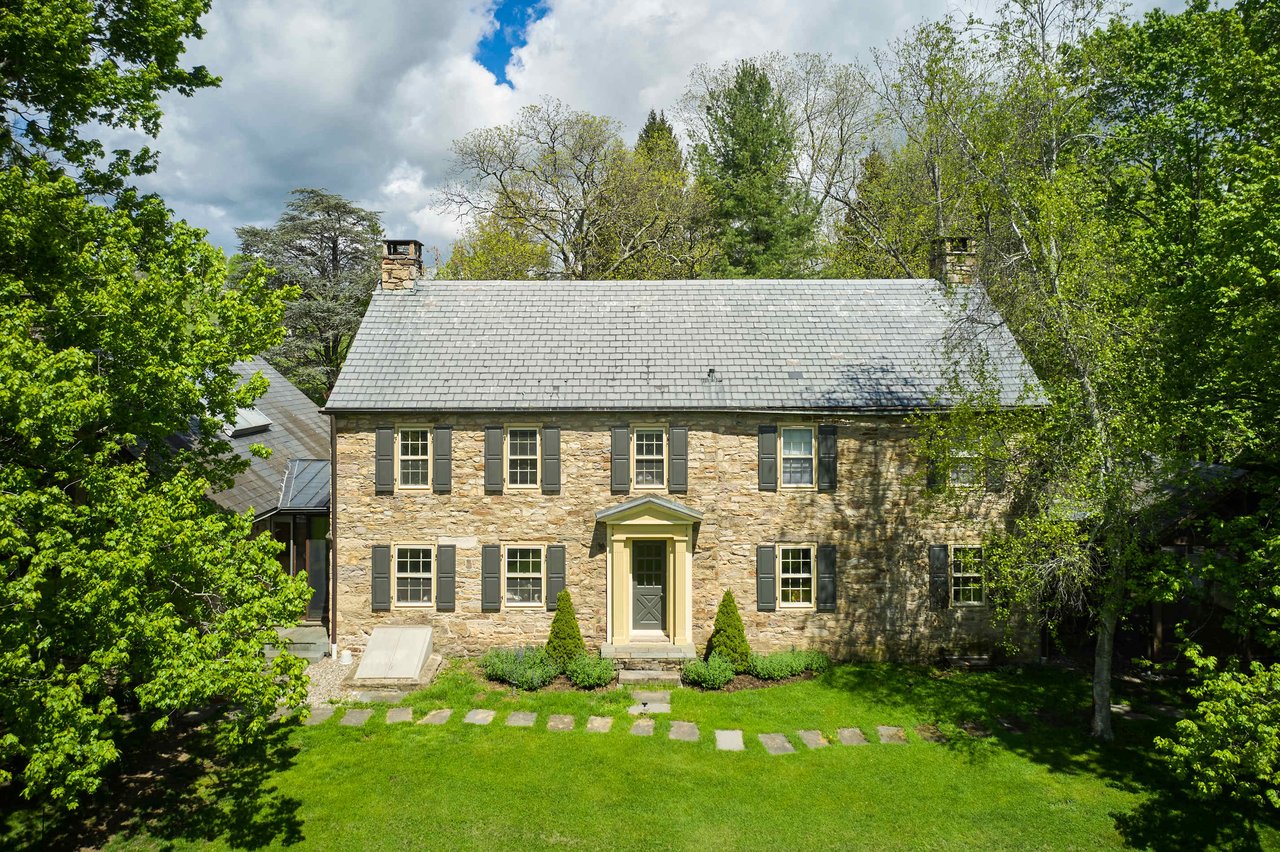
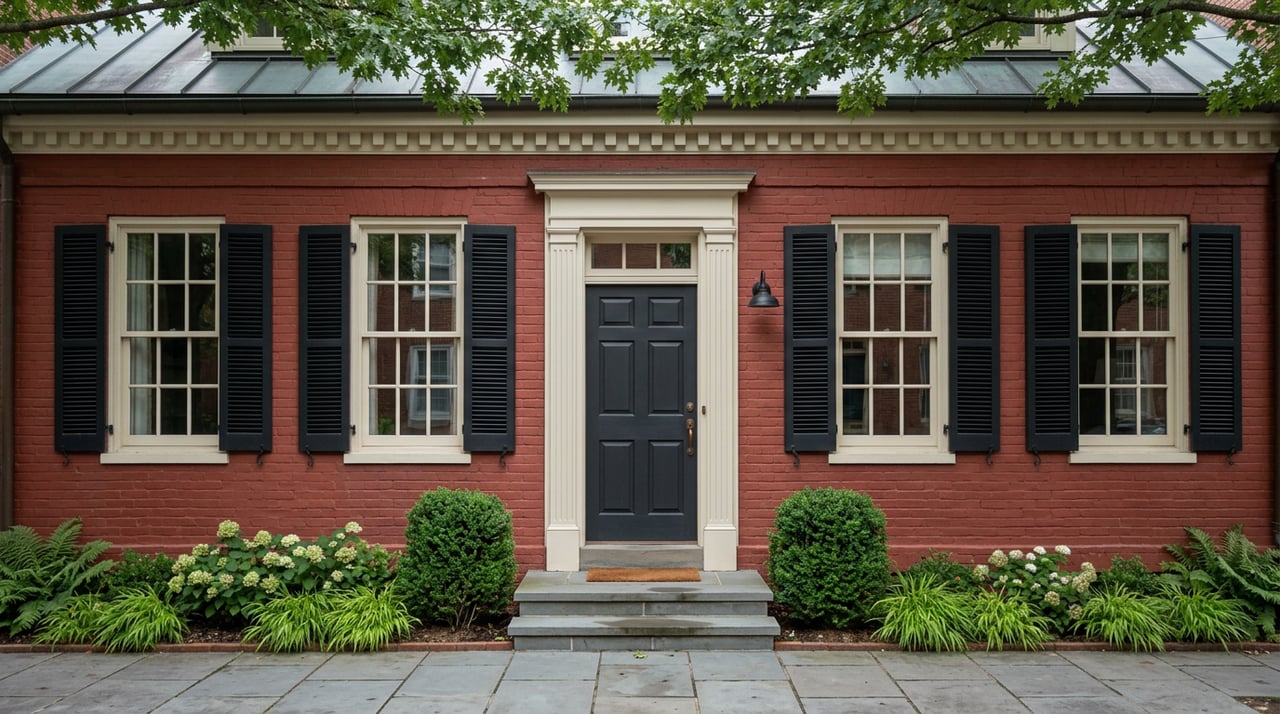
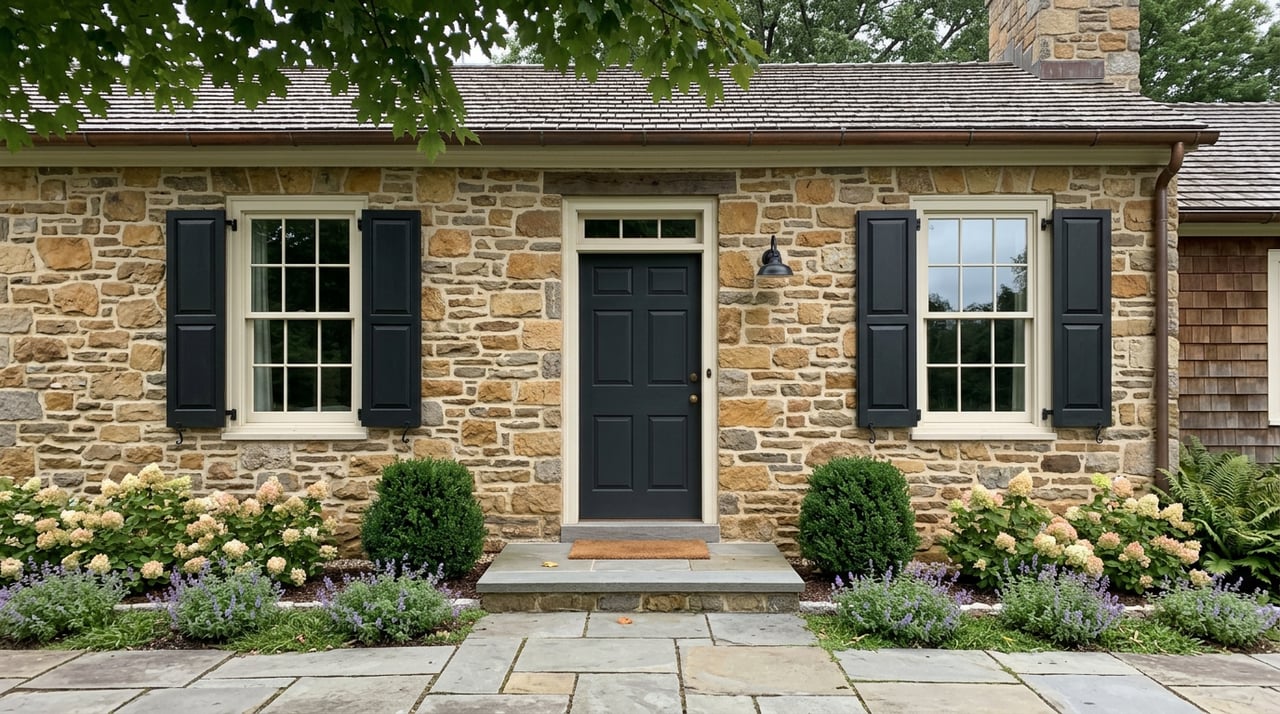
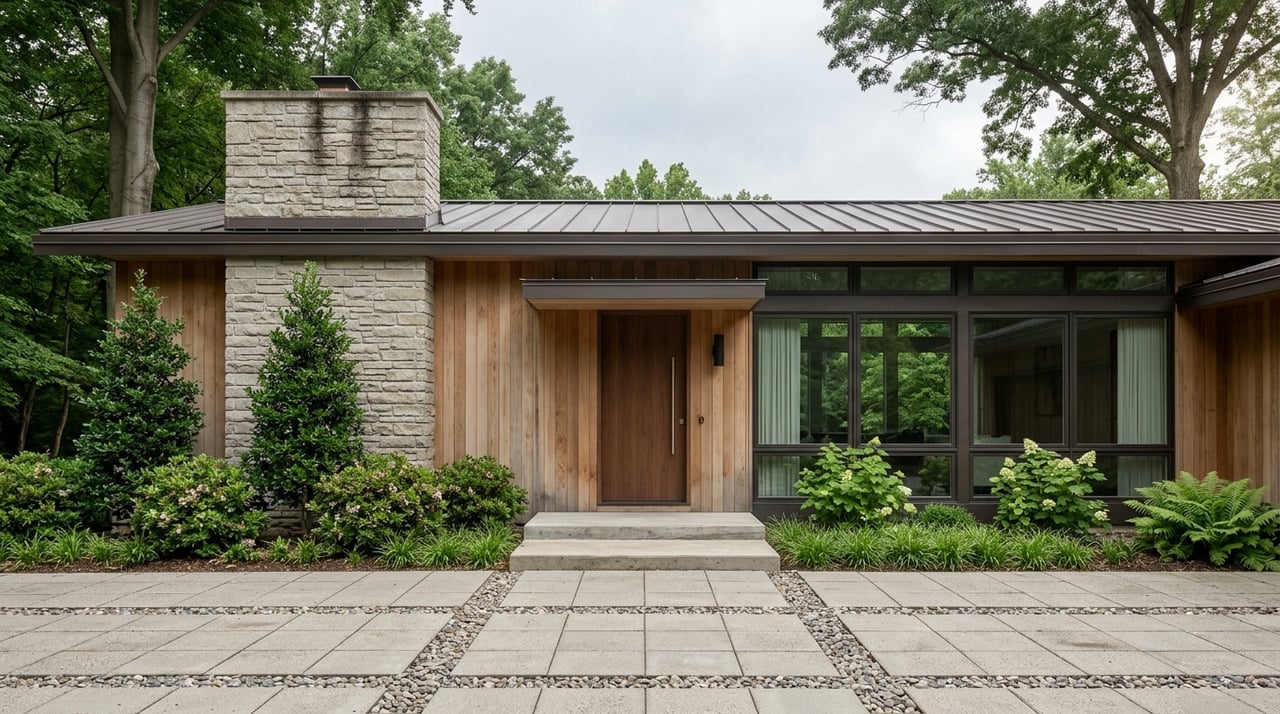
Bucks County also has a long tradition of historic and architecturally notable homes. Heritage Conservancy points to local property types such as stone farmhouses, Pennsylvania bank barns, historic farm properties, and architect-designed residences. When a property has uncommon design, land features, or limited comparable sales, choosing the right sale method becomes more important.
The broader county market remains active, but not instant. Redfin’s Bucks County housing data reported a median sale price of $465,000 in February 2026, average days on market of 35, and a 99.1% sale-to-list price ratio. For an estate property, those numbers offer useful context, but the strategy for a one-of-a-kind home may need to be more tailored.
According to the National Association of Realtors’ auction overview, a real estate auction is an accelerated marketing process that ends in a public sale through competitive bidding. In plain terms, you market the property aggressively for a set period, qualify buyers in advance, and bring them to a defined sale date.
For some sellers, the biggest appeal is certainty. An auction can reduce extended negotiations, shorten the timeline, and give you a known date for the sale. That can matter if the estate is vacant, expensive to maintain, or part of a broader estate-settlement timeline.
Auction can also help with price discovery when a property is hard to value. If your home is highly distinctive, sits on substantial acreage, or has features that make comparable sales thin, competitive bidding may provide a more direct market test than setting a list price and waiting for feedback.
Auction may be a strong fit if your property checks one or more of these boxes:
NAR’s guidance on properties suited for auction specifically notes that auction can work well for unique properties, difficult-to-appraise homes, vacant properties, and estate liquidation scenarios.
Auction is not ideal for every estate. NAR also notes that auction works best when the property is desirable, expectations are realistic, and marketing is aggressive and targeted. If the likely buyer pool is very narrow, or if your property needs broad exposure to find the right match, auction may limit flexibility.
That is especially important in Bucks County, where some high-end homes appeal to a very specific buyer. A well-planned auction can create urgency, but it needs the right property and the right audience.
A private sale is about discretion first. Under NAR’s consumer guide to alternative listing options, sellers may choose options such as an office exclusive or delayed marketing listing to limit public exposure. In practice, this means the property is marketed in a more controlled way, often through brokerage relationships, direct outreach, or a carefully managed network.
For owners of notable homes, this can be appealing. You may want fewer showings, less public visibility, or more control over how and when the property is presented. If privacy matters as much as price, a private sale can align with those priorities.
Private sale often makes sense when:
This approach can work well for a distinctive estate if the buyer pool is narrow but reachable through the right channels. That could include referred luxury buyers, neighboring owners, or buyers already active in the upper-tier market.
The trade-off is exposure. NAR’s guidance on pocket listings is clear that withholding a property from the MLS reduces marketing opportunities, may reach fewer buyers, may take longer to sell, and may not produce the highest price.
In other words, private sale gives you more control, but usually less competition. If your main goal is to test the entire market and attract the strongest offer, a private sale may not provide the widest opportunity set.
Although the choice is often framed as auction versus private sale, a traditional listing is still the benchmark for many Bucks County estates. NAR states that listing on the MLS helps sellers reach the largest pool of buyers and can attract the best offer.
For a seller focused on maximum visibility, this remains the clearest path. MLS exposure can distribute your home through brokerage networks and consumer-facing websites, which broadens the audience far beyond a limited private campaign.
This matters because current NAR policy around Clear Cooperation is designed to preserve broad and timely exposure once a property is publicly marketed. If you are comfortable with full-market visibility, a traditional listing often creates the broadest opportunity for buyer competition.
Here is the simplest way to think about the three paths:
| Sale Format | Best For | Main Advantage | Main Trade-Off |
|---|---|---|---|
| Auction | Unique estates, urgent timelines, difficult pricing | Defined sale date and competitive bidding | Not ideal for every buyer pool |
| Private Sale | Sellers who value privacy and control | Discretion and managed exposure | Fewer buyers may see the property |
| Traditional Listing | Sellers who want broad market reach | Maximum exposure and widest audience | Less privacy and less control over visibility |
The buyer profile for your estate matters as much as the property itself. NAR notes that auction buyers are often pre-qualified, motivated, and prepared to act within a defined process. That structure can be useful when your likely audience includes serious cash buyers or buyers comfortable with competition.
That point is especially relevant in the luxury market. Realtor.com’s luxury research notes that ultraluxury homes often have few or no accurate comparables, making pricing more difficult. The same report also highlights strong cash activity at the upper end of the market, which can support either auction or targeted private-sale strategies depending on your goals.
Private-sale buyers are usually more relationship-driven. They often come through trusted brokerage networks or direct referrals rather than broad public search. Traditional listing buyers are the widest group of all, which is why the MLS remains so important for maximum reach.
Before choosing a sale format, ask yourself these three questions:
If your top priority is reaching the widest buyer pool, a traditional listing is usually the strongest choice. If your top priority is limiting visibility, private sale is the more natural fit.
If your estate is difficult to price, expensive to carry, or part of a time-sensitive transition, auction may deserve serious consideration. A defined campaign and sale date can create clarity where a long listing period may not.
If many buyer types could reasonably compete for the home, broad exposure may help. If the likely buyer is niche and identifiable, a private or highly targeted strategy may be more effective.
In Bucks County, no two estate properties are exactly alike. A preserved farm, a stone farmhouse, an architect-designed residence, or a country compound each brings a different pricing and marketing challenge. That is why the sale method should reflect both the property itself and the outcome you want.
A design-led approach can be especially valuable here. When a home has architectural significance, land value, or uncommon features, the process is not just about putting it on the market. It is about positioning the property clearly, presenting it thoughtfully, and matching the sale strategy to the right buyers.
If you are weighing auction, private sale, or a traditional listing for your Bucks County estate, a careful evaluation can save time and help protect value. For tailored guidance on your property, connect with Dana Lansing, whose architectural training and high-touch marketing approach help sellers choose the strategy that fits both the home and the moment.
Stay up to date on the latest real estate trends.


Dana's many repeat clients are a testament to the experience she brings to the process and the level of service she provides. With her knowledge of the market, she can also help clients understand what improvements make financial sense.