Is It The Right Time To Sell In Washington Crossing
Thinking about selling in Washington Crossing but unsure if now is the moment to act? You are not alone. Timing your sale can feel complex when headlines and rates shift. The good news is that a few local signals, paired with your personal goals, can give you a clear answer. In this guide, you will learn what to check right now, how Washington Crossing’s unique features affect value, and practical steps to prepare your home for a confident, high‑quality sale. Let’s dive in.
When you decide whether to sell, start with the indicators that matter most in our area. Focus on neighborhood level trends, not just county averages.
Use Bright MLS for hyperlocal listings data and recent sales, and consult monthly snapshots from local REALTOR associations for broader context. For rates and national housing sentiment, check sources like Freddie Mac and the National Association of REALTORS. Watch seasonal patterns too. Spring and early summer often bring more listings and showings, while late fall and winter tend to slow. One month does not make a trend. Look for several months that point in the same direction.
Washington Crossing has characteristics that can boost appeal and also shape disclosures, insurance, and timing. Understanding these early will help you price and market precisely.
If your property is near the Delaware River, confirm whether it is in a FEMA flood zone. Floodplain status affects insurance requirements and the size of your buyer pool. An elevation certificate, recent mitigation work, or updated insurance quotes can improve buyer confidence and speed underwriting. It is smart to review local floodplain ordinances and have documentation ready.
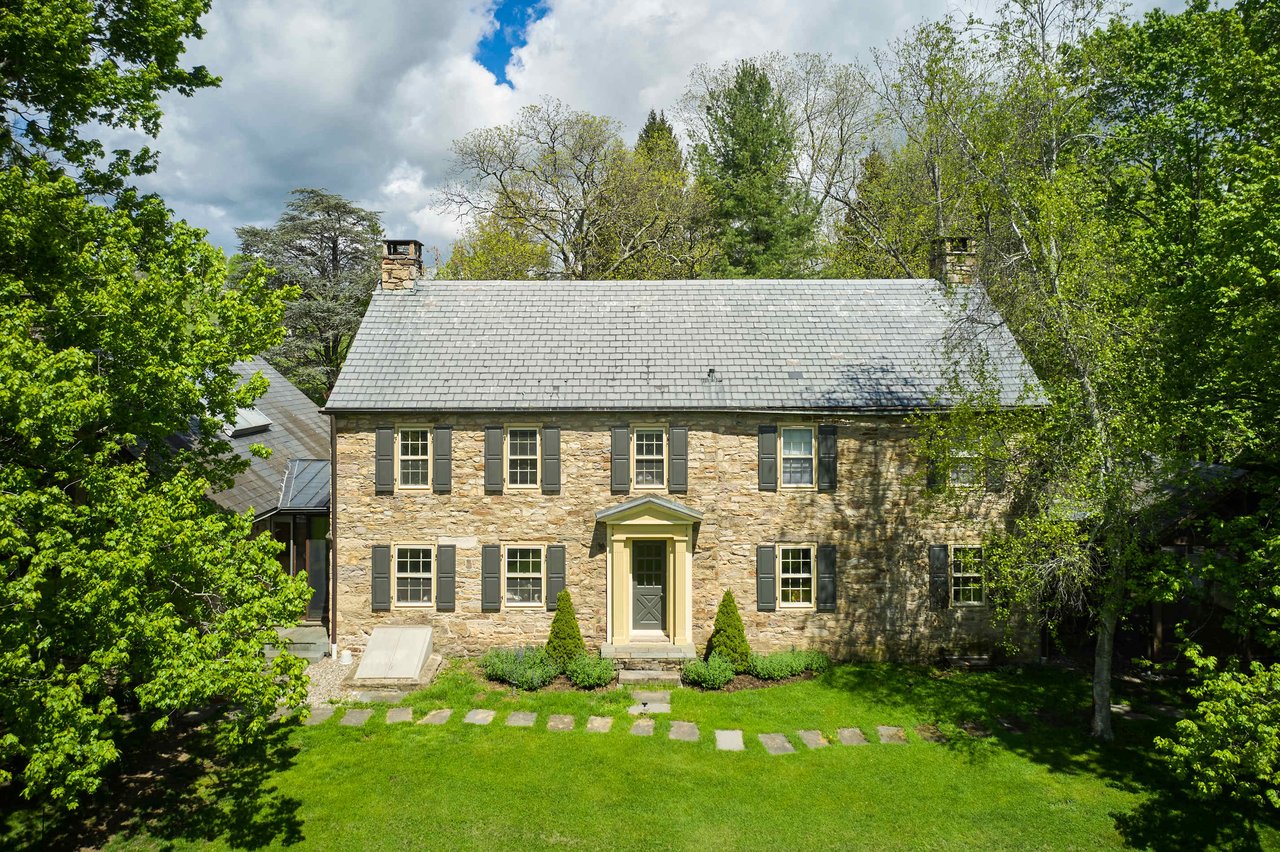
Parts of Washington Crossing are tied to historic and conservation overlays, including areas near Washington Crossing Historic Park. Historic designation increases desirability for many buyers but can limit exterior changes. Set expectations by clarifying any restrictions, approvals, or past renovations. Story‑driven marketing that highlights provenance and stewardship can be a real advantage.
Public school districts influence many family buyers, and township boundaries matter. Confirm the exact district for your address and note nearby private or parochial options. Also highlight commute routes to Philadelphia, Princeton, and NYC‑adjacent employment hubs. Better access can widen your buyer pool of professionals.
Semi‑rural properties often rely on private wells and septic systems. Plan for inspections and be ready to share service records. Upfront testing and any recent repairs can reduce surprises and keep negotiations focused on value rather than uncertainty.
Buyers compare total monthly costs, not just price. Be prepared with recent tax assessments and clarity on municipal or school district levies. If your property was recently reassessed, note that for prospective buyers.
Market timing matters, but so does your timeline. Job relocation, downsizing, or moving closer to family can outweigh small shifts in pricing. Even in a balanced or slower market, well‑priced homes that are expertly prepared, photographed, and marketed can sell cleanly. If you need to list during a quieter season, use pricing, concessions, or flexible occupancy to meet buyers where they are.
Anchor your list price to the most relevant comparable sales. Look within the same micro‑neighborhood, with similar lot sizes, age, updates, and features like river proximity or historic character. County medians are helpful for context but can mislead for unique homes.
In a tight market, pricing slightly below perceived market value can draw multiple offers. In a balanced or slower period, price competitively to avoid extended days on market. Reassess after the first two weeks based on showings and feedback.
Address safety and systems first. Roofing, HVAC, water intrusion, and structural items should be in good working order. Fresh paint, lighting, landscaping, and minor updates can deliver high return. For older or semi‑rural properties, a pre‑listing inspection and dedicated septic and well testing can reduce renegotiation and keep the timeline intact.
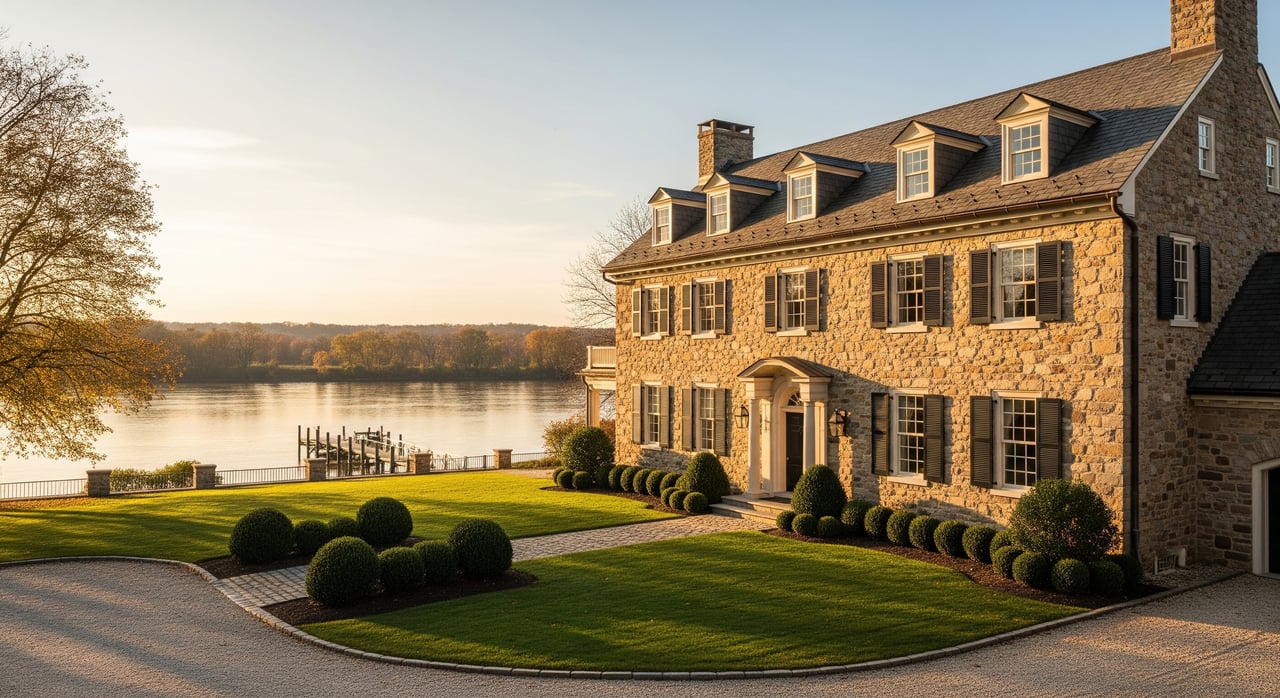
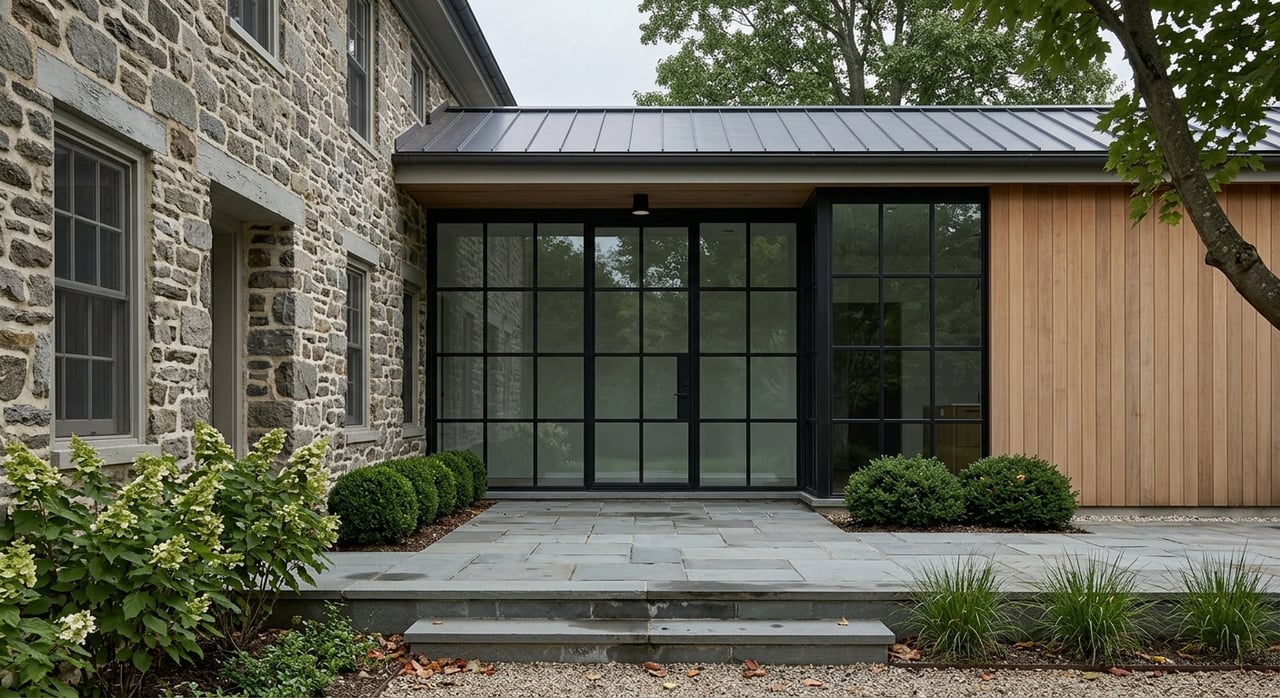
Presentation matters in Washington Crossing, especially for historic homes, riverfront properties, and architecturally significant estates. Professional staging guidance, curated photography, and compelling property narratives help buyers connect with your home’s design and lifestyle. Unique homes often benefit from targeted outreach to niche buyer segments, including relocation and second‑home audiences.
Use this short list to decide if now is the right time for you.
Negotiation terms shift with market strength. In a cooling phase, buyers may ask for concessions like closing cost help or inspection credits. In a stronger seller environment, you may see cleaner offers with fewer contingencies. Financing, appraisal, and inspection terms are all negotiable. Be ready to weigh price, condition, and timeline tradeoffs.
For taxes, remember the potential federal capital gains exclusion rules for primary residences. Your eligibility depends on ownership and use tests. Discuss specifics with a CPA or tax advisor to plan your best outcome.
If your home is well prepared and priced with precision, Washington Crossing offers a steady pool of buyers who value history, open space, and access to regional job centers. The strongest signals to watch are inventory, days on market, and rate direction, combined with your personal timeline. If you are seeing comparable homes trade at healthy prices and you have a clear plan for presentation, you are likely well positioned to sell.
If you would like a private, design‑led evaluation of your home and a tailored market plan, reach out to Dana Lansing for a confidential consultation.
Stay up to date on the latest real estate trends.

Dana's many repeat clients are a testament to the experience she brings to the process and the level of service she provides. With her knowledge of the market, she can also help clients understand what improvements make financial sense.