Stockton NJ Heat Pump Rebates & Clean Energy Guide
Thinking about a quieter, more comfortable way to heat and cool your Stockton home? With cold winters and humid summers in Hunterdon County, you want steady comfort without the noise or surprise energy bills. This guide shows you how modern heat pumps perform in our climate, how quiet they can be, and which rebates Stockton homeowners can use right now. You will also find permitting and installer tips to keep your project smooth. Let’s dive in.
Heat pumps give you efficient heating and cooling in one system, which is ideal for Stockton’s four-season weather. Modern inverter technology helps hold a consistent temperature and better manage humidity, often improving day-to-day comfort. The U.S. Department of Energy notes that today’s systems can reduce energy use compared with older equipment, with savings that depend on your current fuel and home efficiency. See the DOE overview of heat pump systems for fundamentals and typical benefits.
A variable-speed heat pump runs longer at lower speeds, so you feel fewer hot and cold swings and hear fewer start-stop cycles. Many homeowners also notice gentler airflow and better humidity control in summer. When paired with air sealing and insulation, you can right-size equipment and improve both comfort and efficiency.
“Cold-climate” air-source heat pumps are designed to keep delivering useful heat at low outdoor temperatures. Look for models with the ENERGY STAR cold-climate designation and strong low-ambient performance specs. These systems are widely used across the Northeast and can be a direct replacement for many fossil systems when sized and installed correctly. Review ENERGY STAR criteria and low-temperature performance guidance in the program specifications.
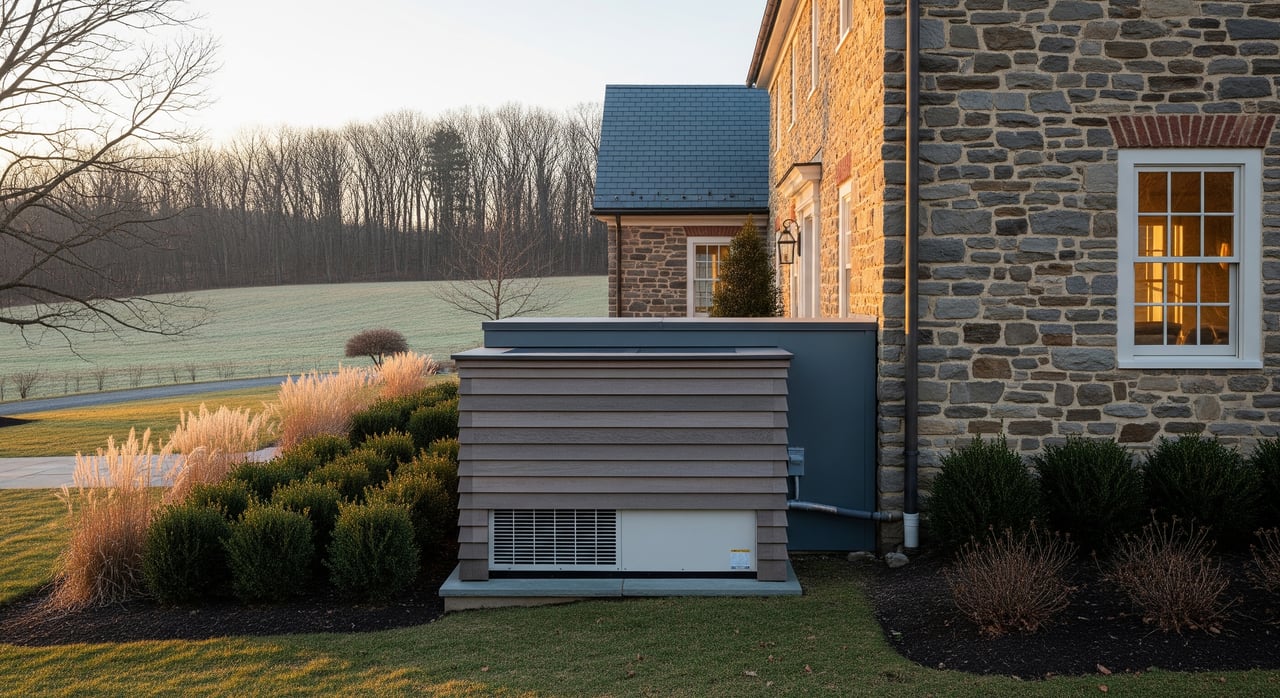
Today’s outdoor units are often comparable to modern AC condensers, and many indoor air handlers are whisper-quiet at low fan speeds. Typical published sound levels range roughly from the low 40s to 70 dB outside, and about 20 to 40 dB indoors at lower settings. Variable-speed operation and thoughtful placement reduce sound further. For context on typical decibel ranges and setup tips, see this overview of heat pump noise.
If you are a Stockton homeowner, your electric utility is typically JCP&L. JCP&L’s EnergySaveNJ program offers tiered rebates for air-source heat pumps, cold-climate models, ductless mini‑splits, and heat pump water heaters. Representative tiers often range from a few hundred dollars to around $1,000 depending on equipment and efficiency. Always confirm current amounts and eligibility on the JCP&L HVAC rebate page.
New Jersey’s clean energy programs operate through utilities and participating contractors. Start with the NJ Clean Energy Program’s heat pump page and the BPU’s incentives summary for statewide guidance and LMI options. Explore the BPU’s incentives overview for additional pathways.
Federal energy tax credits changed in 2025. Legislation enacted mid‑year set several credits to end or change after December 31, 2025. If you plan to claim a federal credit, verify timing, eligibility, and documentation with your tax professional and reference the bill details on Congress.gov. Many programs require installation and invoicing before deadlines, so confirm dates before you sign.
In New Jersey, heat pump installations must be performed by a licensed Master HVACR contractor. Always ask for the NJ Master HVACR license number and proof of insurance. You can confirm requirements with the State Board of Examiners of HVACR Contractors’ FAQ.
Permits and inspections are typically required under the NJ Uniform Construction Code. Confirm the process with Stockton Borough’s construction office, and keep signed permits and inspection cards for future resale. For state permit resources and forms, visit the NJ DCA construction permits page.
Quality matters. Ask your installer to provide a Manual J load calculation, a ductwork assessment, and documented low-ambient performance for the selected model. Pairing installation with air sealing and insulation will improve comfort and can reduce system size and cost.
If you prefer to spread costs, ask about utility and partner financing. JCP&L customers may have access to on-bill repayment through program partners such as NEIF. Learn more in NEIF’s announcement of on-bill repayment for JCP&L customers. Confirm current terms, eligible projects, and whether rebates are applied as instant discounts.
Stockton homeowners value comfort, quiet operation, and thoughtful upgrades that support long-term value. If you are planning improvements as part of a sale or a longer hold, a well-specified heat pump can be a smart, design-forward move. For confidential guidance on which upgrades support your goals and how to position your property in today’s market, connect with Dana Lansing.
Stay up to date on the latest real estate trends.

Dana's many repeat clients are a testament to the experience she brings to the process and the level of service she provides. With her knowledge of the market, she can also help clients understand what improvements make financial sense.