Relocation Guide to Stockton, NJ for Out-of-State Buyers
Thinking about buying a place in Stockton while you live in Pennsylvania or New York? You are not alone. This small Hunterdon County river town draws buyers who want space, character, and a calmer pace within reach of major cities. If you are used to PA or NYC real estate, New Jersey’s process and property details can feel different at first. This guide walks you through the essentials, from attorney review to septic systems and flood mapping, so you can move confidently. Let’s dive in.
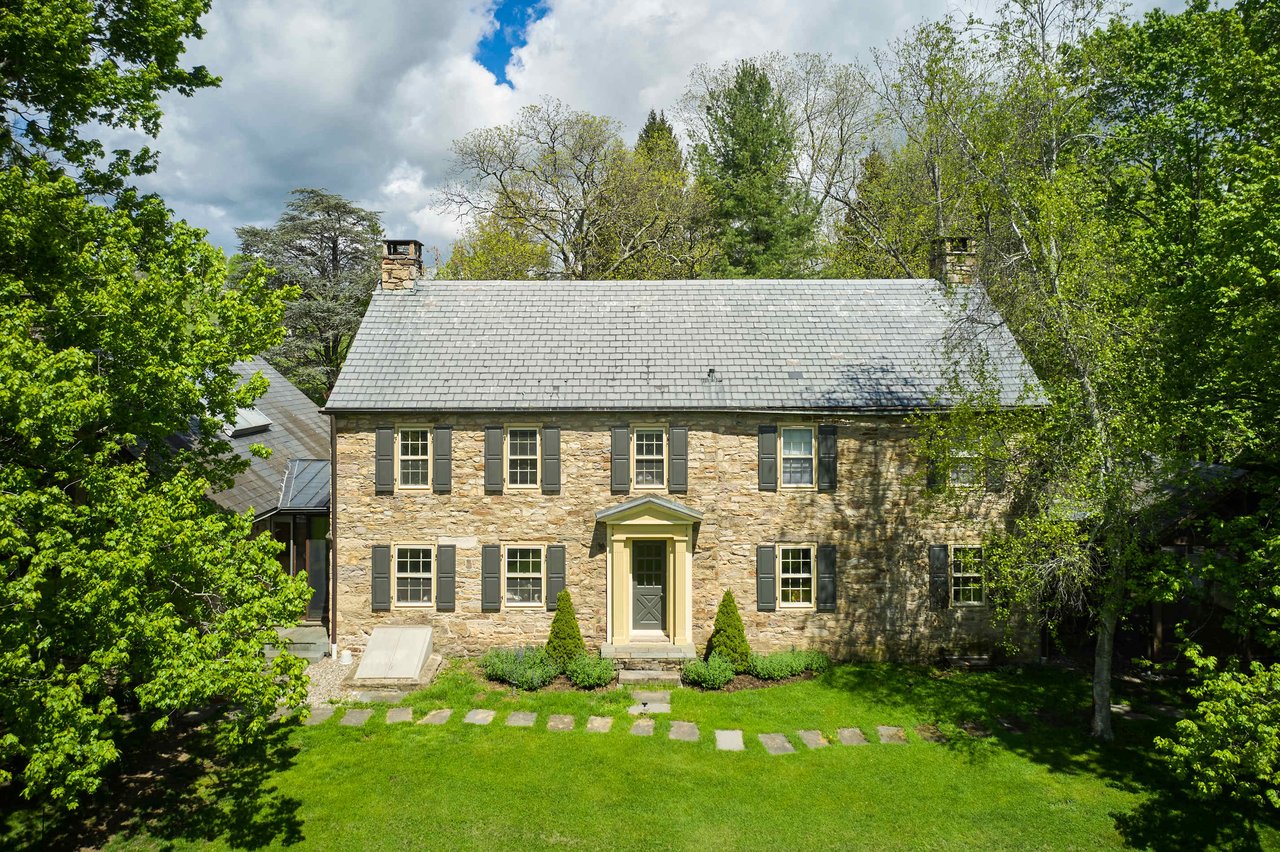
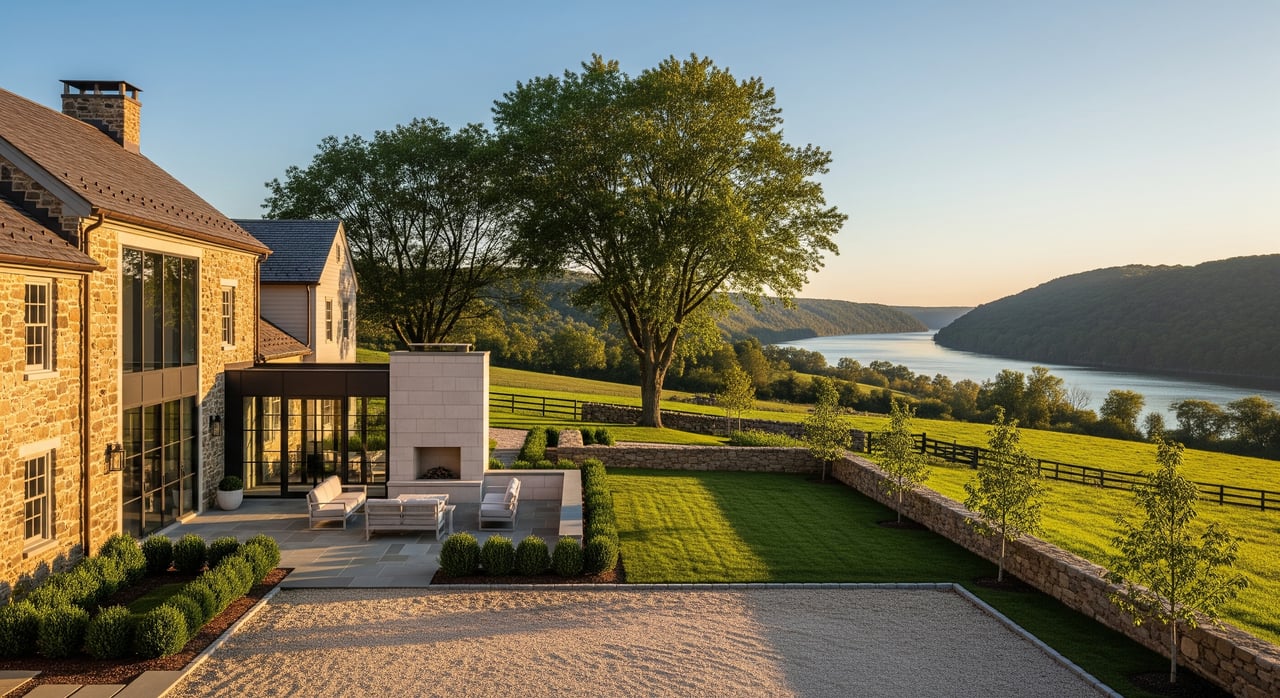
Stockton sits along the Delaware River in northwestern Hunterdon County. The area blends historic homes, rural settings, and access to outdoor recreation. If you are hunting for a country home or weekend base, you will find properties that range from village cottages to wooded acreage. What sets Stockton apart for out-of-state buyers is not only the setting but also how New Jersey transactions work. Knowing that up front saves time and stress.
In New Jersey, residential contracts typically include a short attorney-review period. After you and the seller sign, there is usually a brief window, often three business days, when either side’s attorney can request changes or cancel. This step is routine in New Jersey and different from many PA transactions where a signed contract can be immediately binding. Plan for this window and have your New Jersey real estate attorney ready to engage quickly.
Closings in New Jersey are often attorney led, with a title company also involved. Earnest money is commonly held in a broker trust account or an attorney’s escrow account, depending on the contract. You will need a lender’s title policy if you are financing. Consider an owner’s title policy as well, since customs around who pays for it can vary and are negotiated in the contract. New Jersey also has a state Realty Transfer Fee. Market practice on who pays certain items can differ by county and even by town, so confirm early who is expected to cover the state fee and any local transfer taxes.
New Jersey contracts include clear periods for inspections and mortgage approval. Standard buyer protections often include a general home inspection, radon testing, well water testing, septic inspection and certification when applicable, a mortgage contingency, and municipal certificate or record checks if required. Build these steps into your schedule. If you are out of state, plan for travel or authorize a trusted representative for on-site visits during inspections.
Many properties in and around Stockton are not on public sewer or public water. Private septic and well systems are common in rural Hunterdon County. Protect yourself by adding a septic inspection and certification contingency. A thorough review often includes pumping records, a dye test for the leach field, and evaluation of tank and distribution components. For the well, test for bacteria, nitrates, and lead, and confirm the pump’s performance. Municipal requirements for septic transfers vary, so have your attorney confirm what Stockton Borough or Hunterdon County expects at sale.
Radon testing is recommended throughout New Jersey, and most buyers include it in their inspection scope. If the home predates 1978, factor in the potential for lead-based paint and consider testing or specialized inspection. Older homes can also contain asbestos in certain materials. Your inspector can advise on risk and next steps.
A wood-destroying insect inspection is common and often required by certain loan programs. If treatment is needed, your lender may require proof of remediation before closing. Order this inspection along with your general home inspection to keep timing tight.
In rural areas, a current boundary survey is important. Confirm the exact lot lines, any recorded easements, and whether the property touches the river or a public right-of-way. If a listing mentions water access, verify what is private land vs. public land, and where the usable portion of the property ends.
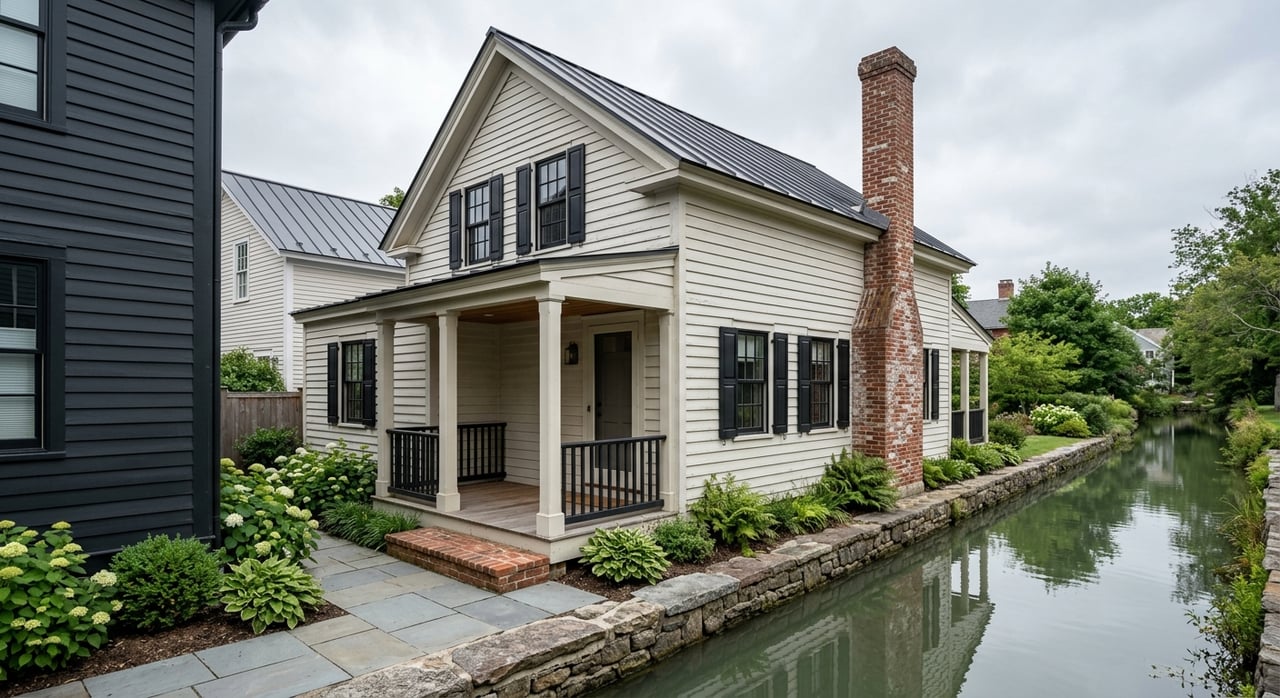
Stockton’s setting along the Delaware River is part of its appeal, but it also means you should check flood risk. Review the FEMA Flood Insurance Rate Map for the property address and note if it lies in a Special Flood Hazard Area, such as Zones A, AE, or VE. Lenders typically require flood insurance in these zones. Even if the home is outside a high-risk zone, ask about any local flood history.
If the home borders the river or a public corridor, state rules can affect future projects. New Jersey environmental regulations and state park rules can limit construction, tree removal, or shoreline work within regulated buffers. Floodway designations can also restrict rebuilding or require special permits for improvements. Before you plan a dock, bulkhead, or major landscape changes, verify what is allowed.
Flood risk influences more than insurance premiums. It can shape what a lender will approve and how a renovation is designed. Elevating mechanical systems, selecting flood-resistant materials, or adjusting site drainage may be part of a smart plan. If you aim to renovate, factor flood and setback rules into your scope and timeline early.
Assemble your New Jersey team before you write an offer. You will want a buyer’s agent with Hunterdon County experience, a New Jersey real estate attorney who knows Stockton, a home inspector who understands septic, well, and riverfront issues, a licensed surveyor, and a title company or closing attorney. If you are using a lender from PA or NYC, confirm they are licensed to close in New Jersey and can coordinate with the local title and attorney.
Your agent can arrange live video tours or recorded walk-throughs to narrow your list before you travel. Inspections and appraisals still require on-site access. For closing, ask early about remote signing and notarization options. New Jersey has accepted certain remote processes since 2020, but practices vary by title company, attorney, and lender. If you cannot attend in person, explore a mail-away package or a limited power of attorney and confirm your lender’s rules.
Different loan programs set different property standards. USDA, VA, FHA, and conventional loans each have requirements for septic systems, water quality, flood zones, and wood-destroying insect reports. If you are targeting a rural property near Stockton or anything with river adjacency, speak with your lender about eligibility, appraisal expectations, and any repair conditions that could delay closing.
Use this quick list to keep your purchase on track:
Before offering
In your contract
During due diligence
Insurance and financing
Closing logistics
Buying in Stockton from PA or NYC is very doable when you plan for New Jersey’s attorney review, line up the right inspections, and verify flood and title items early. With a local team and clear timelines, you can focus on the home itself and the design potential that drew you to Hunterdon County in the first place.
If you want a thoughtful, design-informed search and discreet guidance on renovation feasibility, connect with Unknown Company. We will coordinate the right attorneys, inspectors, and title partners, and help you evaluate properties for long-term value and livability.
Stay up to date on the latest real estate trends.
Dana's many repeat clients are a testament to the experience she brings to the process and the level of service she provides. With her knowledge of the market, she can also help clients understand what improvements make financial sense.