A Guide To Mid-Century Modern Homes In Lambertville
Do you love clean lines, walls of glass, and rooms that flow into the landscape? If so, a mid‑century modern home in Lambertville might be the right fit. Finding the real thing, evaluating condition, and navigating permits can feel complex, especially in a town known for 18th and 19th‑century architecture. In this guide, you’ll learn how to spot authentic features, assess common issues, plan financing and upgrades, and move forward with confidence in Lambertville. Let’s dive in.
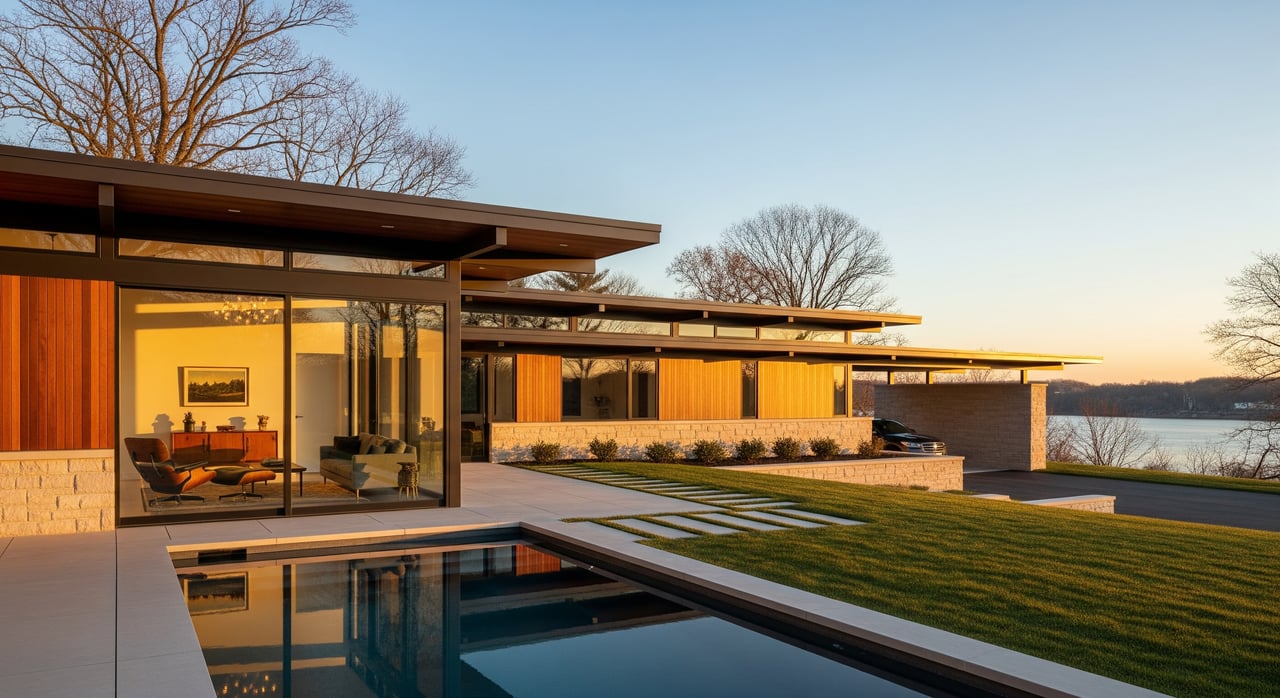
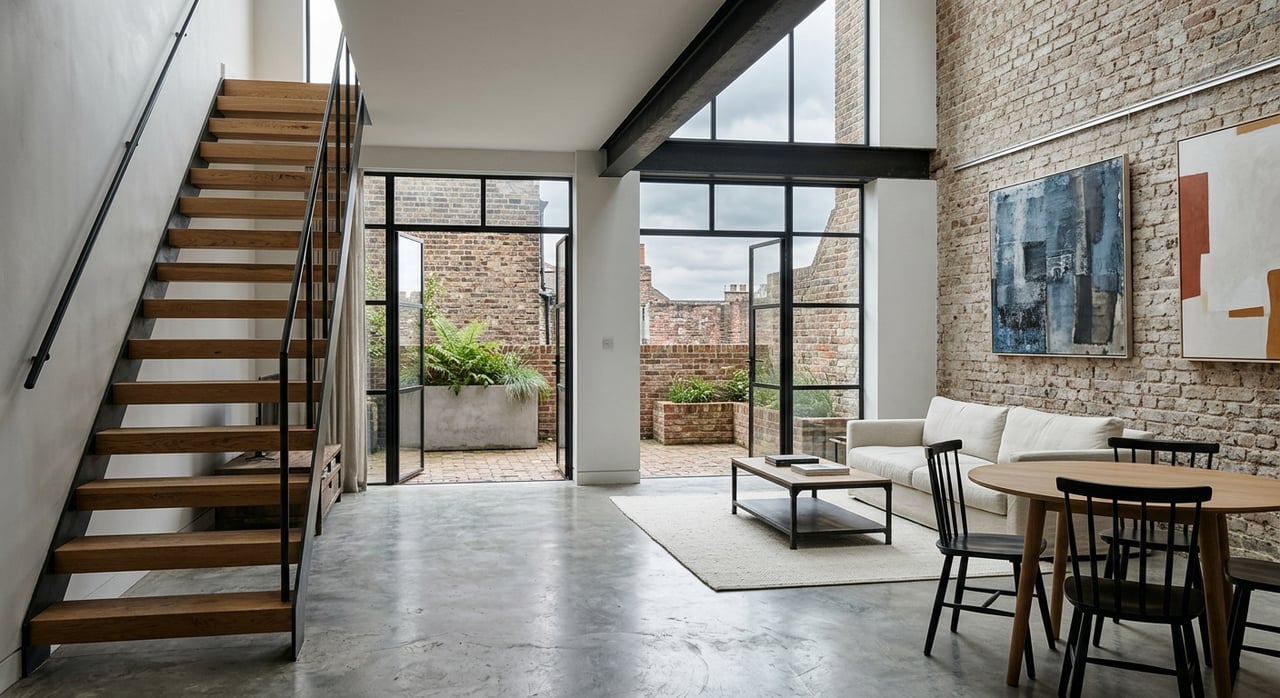
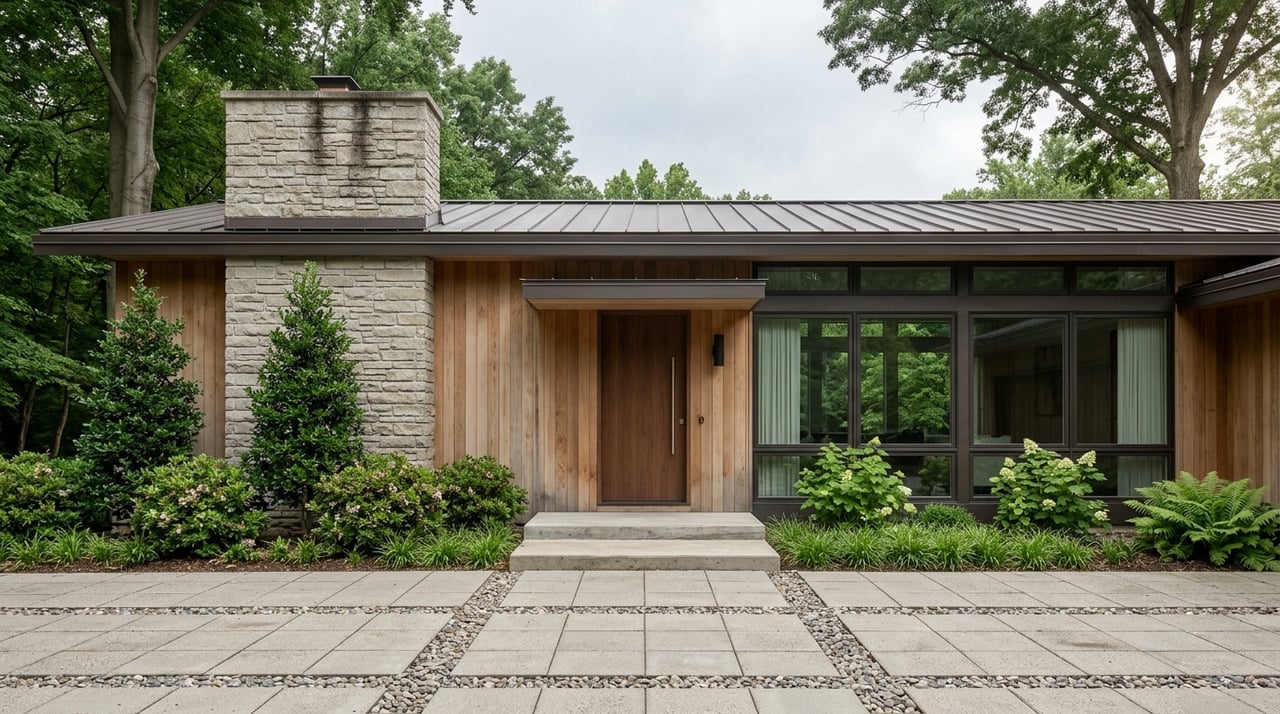
Mid‑century modern (MCM) design spans roughly the mid‑1940s through the 1970s. It favors simple forms, open plans, and a strong connection to the outdoors. You’ll see long rooflines, broad eaves, and large panes of glass that bring in light.
Inside, look for built‑in cabinetry, post‑and‑beam ceilings, and efficient kitchens and baths. These homes often use new‑for‑the‑time materials and technologies like plywood veneers, radiant slabs, or steel. For deeper background and preservation guidance, the National Trust for Historic Preservation offers helpful context on modern movement homes.
Lambertville is known for its historic district, arts scene, and walkable riverfront setting. Most homes date to earlier eras, so mid‑century examples are less common and stand out. That rarity, combined with proximity to New Hope and river valley scenery, attracts design‑minded buyers who value character and authenticity.
Because MCM homes are a smaller slice of the market, pricing and demand can vary by condition and originality. Well‑preserved examples tend to draw strong interest, while homes needing significant work can appeal to a more focused buyer pool.
Flat or low‑slope roofs can pond water and leak without proper membranes and drainage. Older single‑pane windows and original frames reduce energy efficiency and may be costly to upgrade. Mechanical systems might be undersized for today’s loads and could include aging boilers, radiant slabs, or dated electrical panels.
Homes from this era can also contain asbestos in roofing, tile, or insulation, and lead paint in finishes. In Lambertville, river proximity raises the need to check FEMA flood zones and evaluate site drainage. Always budget time and resources for a thorough inspection.
Start with an inspector and contractor who know mid‑century construction. They can help you weigh original fabric against practical upgrades. If the property is near the river, review the FEMA Flood Map Service Center and ask the seller for elevation and insurance history.
If you plan changes, confirm whether local review applies before you purchase. You can also explore renovation financing. FHA 203(k) and Fannie Mae HomeStyle let you roll qualified repairs into your mortgage, which helps fund roof, window, or system upgrades.
Document what makes your home special. Identify original windows, built‑ins, wood ceilings, or unique glazing patterns. Consider pre‑listing inspections that address roofing, mechanicals, and any hazardous materials.
Market the property’s design story and any sensitive updates. Provide permit records, repair documentation, and flood history to build buyer confidence. A well‑prepared listing highlights authenticity and reduces surprises in escrow.
Lambertville has a strong preservation culture. The National Register listing recognizes the historic district, but private owners are typically regulated by local ordinances rather than the National Register. If your property is within a local district, exterior work can require review.
Confirm status and approvals early. Start with the Lambertville municipal website for building permits and Historic Preservation Commission information, and see the National Register of Historic Places overview for context on listings. Typical permits include roofing, structural changes, electrical and plumbing upgrades, and exterior alterations.
Renovation mortgages can help align design goals with budget. Explore FHA 203(k) options for owner‑occupants and the Fannie Mae HomeStyle Renovation program for conventional financing.
If the property sits in a high‑risk flood zone, lenders will require flood insurance. Use FEMA maps and consult the NJ Department of Environmental Protection flood hazard resources to understand local risks and mitigation.
Energy upgrades, like heat pumps, may qualify for incentives and tax credits. Program details change, so check current state and federal offerings when you plan improvements.
Preserve character‑defining features when possible. Replace worn roofs with modern low‑slope systems that protect the design lines. For windows, consider interior storms or high‑performance replicas that maintain sightlines.
Upgrade insulation where feasible without stripping original finishes. Mechanical improvements like high‑efficiency boilers or multi‑zone heat pumps can boost comfort with minimal visual impact. For hazardous materials, hire licensed abatement pros.
Work with designers and contractors who have mid‑century experience. The National Trust for Historic Preservation and the American Institute of Architects are good starting points for guidance and referrals.
If a mid‑century modern in Lambertville is on your radar, line up the right pros, confirm local requirements, and plan improvements that honor the architecture. With clear due diligence and a sound strategy, you can protect design integrity and long‑term value.
For tailored advice on buying or selling a modernist home in the Lambertville–New Hope area, connect with Dana Lansing. With architectural training, hands‑on staging and renovation guidance, and Sotheby’s reach, Dana helps you translate design into market advantage.
Stay up to date on the latest real estate trends.
Dana's many repeat clients are a testament to the experience she brings to the process and the level of service she provides. With her knowledge of the market, she can also help clients understand what improvements make financial sense.