How Architectural Styles Influence Princeton NJ Luxury Homes
What makes a luxury home in Princeton feel truly lasting? It is not just size, finishes, or a coveted address. In Princeton, architecture, historic context, and design integrity often shape how a property is understood and valued. If you are buying or selling in this market, it helps to know which styles define the area and why they continue to matter. Let’s dive in.
Princeton stands apart as a compact municipality with a strong historic core, direct rail service to New York and Philadelphia, and more than one-quarter preserved open space. Its built environment has been shaped in large part by Princeton University and by a preservation framework that keeps many visible changes in designated historic districts compatible with their surroundings.
That context matters because homes here are rarely judged in isolation. A property may sit within or near places such as the Central Historic District, Mercer Hill, Bank Street, Witherspoon-Jackson, or Prospect Avenue, where architectural character and streetscape continuity carry real weight.
Princeton’s architectural story stretches from colonial settlement patterns to a 19th-century Greek Revival boom, then through Victorian and Collegiate Gothic eras and into later residential growth around Nassau Street, University Place, Bayard Lane, and Washington Road. With a campus that includes more than 180 buildings across neoclassical, Collegiate Gothic, and contemporary styles, nearby homes exist against a remarkably strong design backdrop.
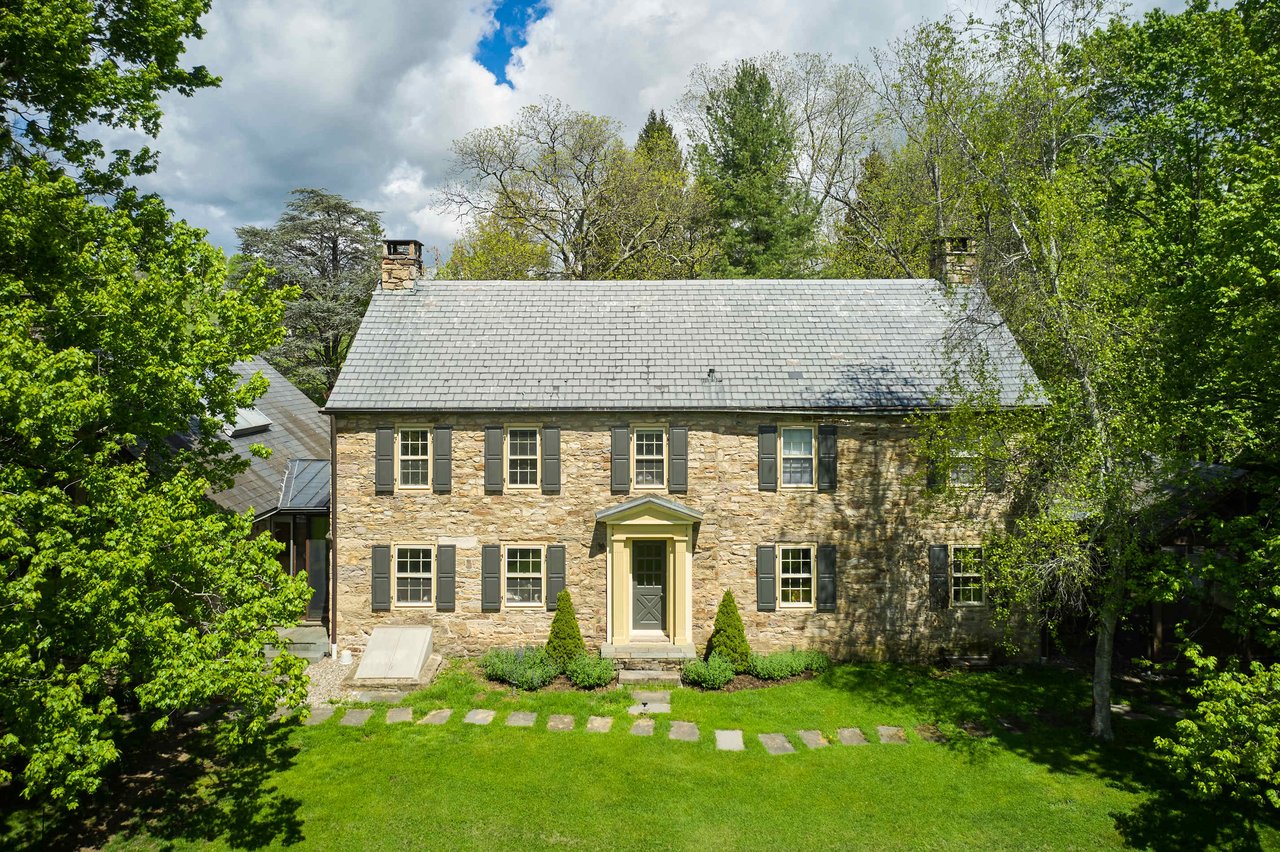
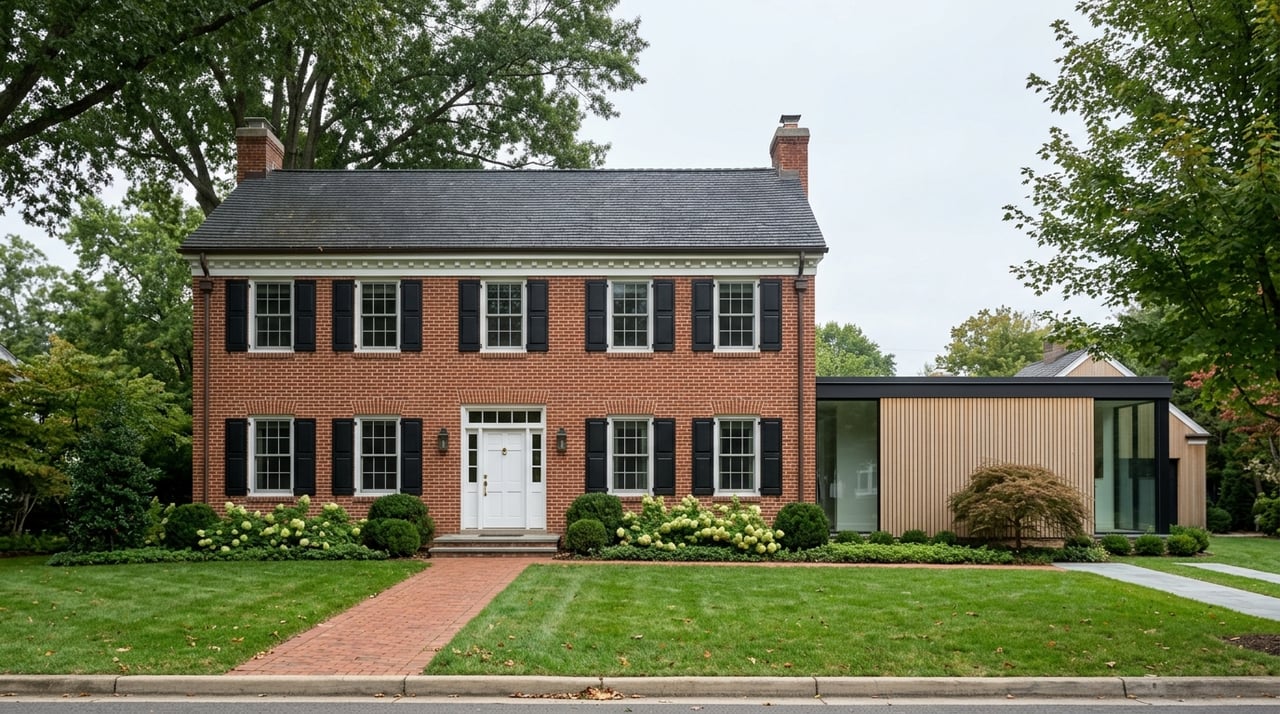
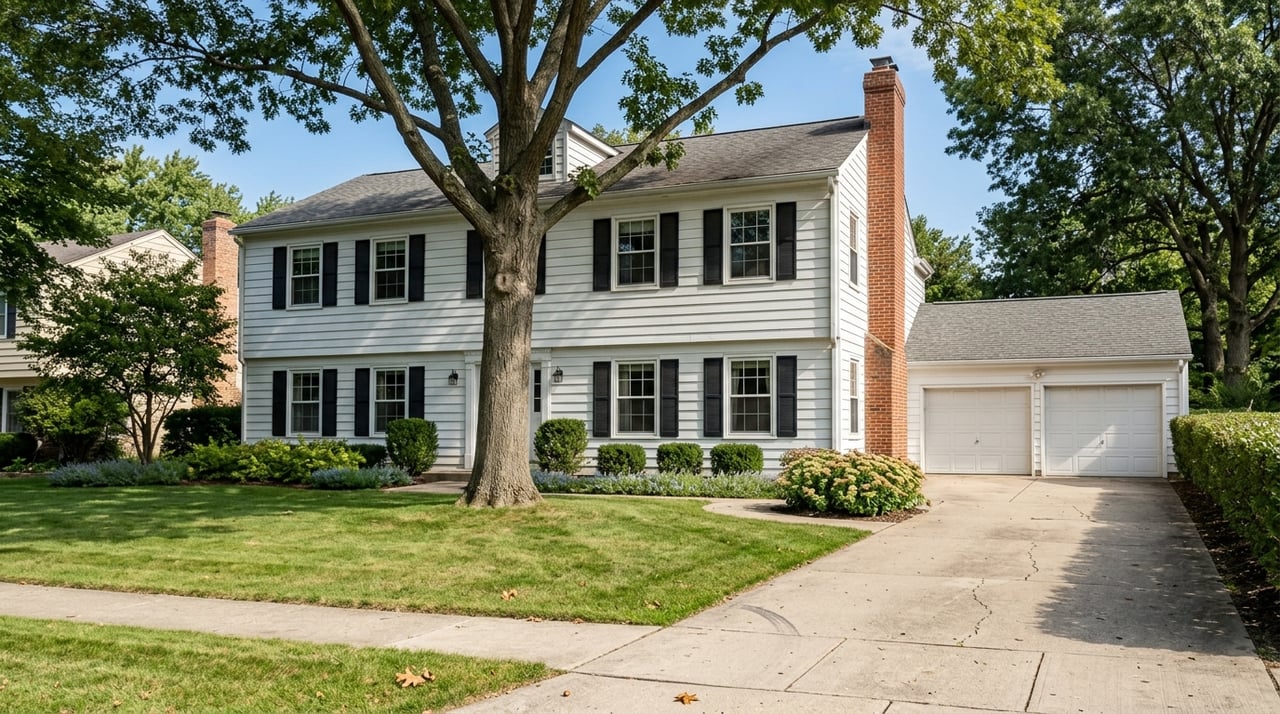
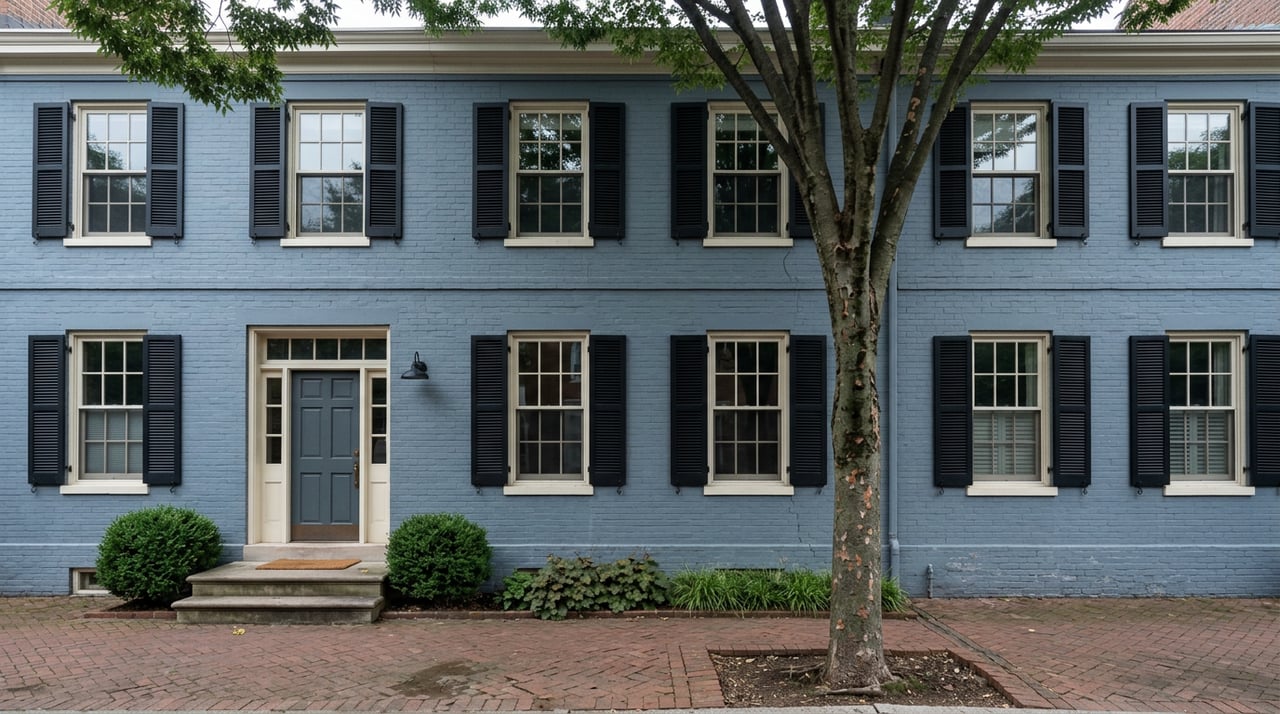
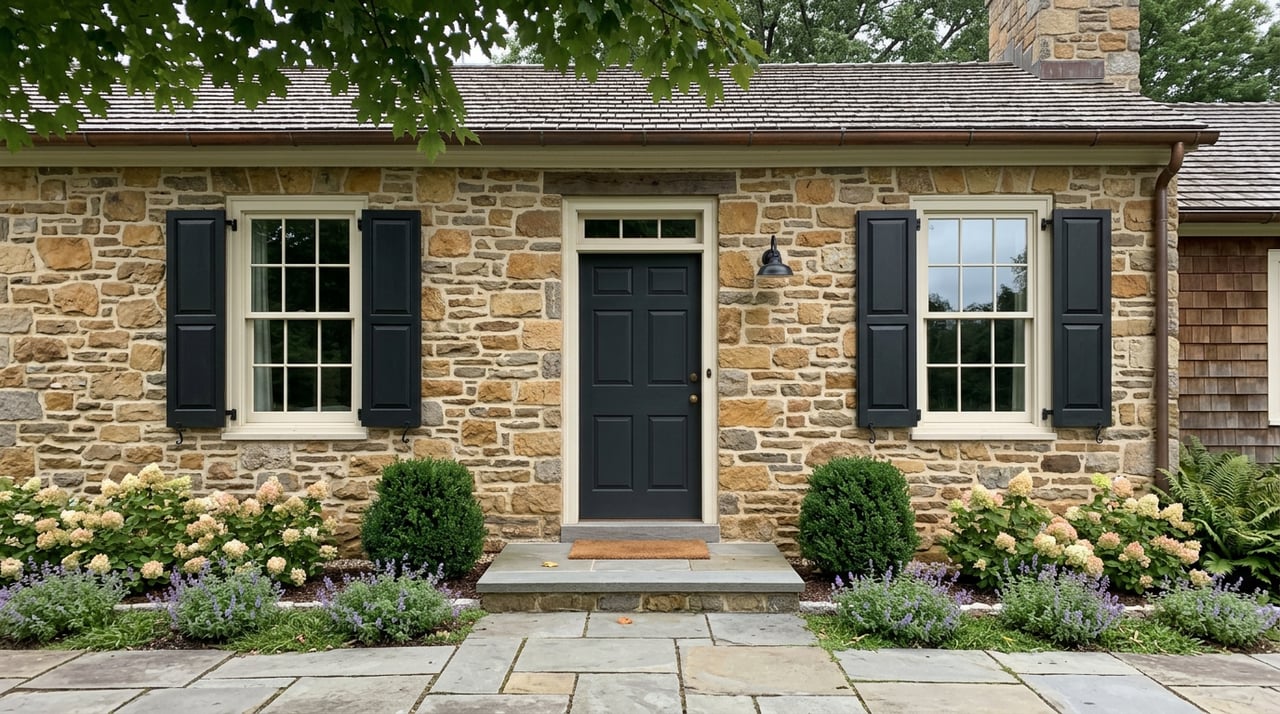
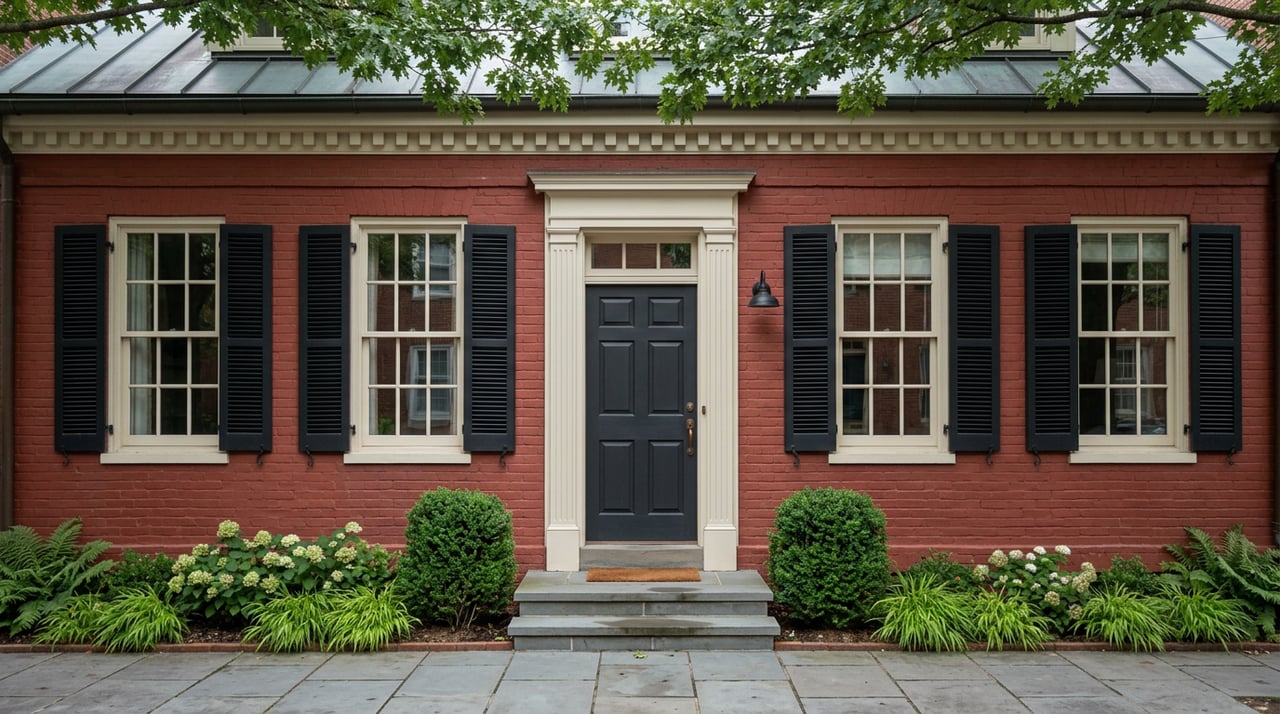
One of the clearest architectural threads in Princeton is the continued presence of colonial and Colonial Revival design. The municipality’s planning materials note Colonial Revival work in Palmer Square, while areas such as Mercer Hill include a mix of Federal, Greek Revival, Gothic Revival, Italianate, Second Empire, Queen Anne, and Colonial Revival homes.
For you as a buyer or seller, Colonial Revival often signals order, symmetry, and a composed exterior presence. These homes tend to project a sense of permanence, which helps explain why they remain so desirable in Princeton’s upper-tier housing stock.
Just as important, this style often pairs well with thoughtful interior updates. When original façade rhythm, millwork, stair halls, and window proportions are respected, kitchens, baths, and modern systems can often be refreshed without losing the home’s architectural identity.
In Princeton, colonial forms fit naturally with the town’s historic fabric. They complement the surrounding streetscape rather than competing with it, which can be especially important in areas shaped by preservation review.
That makes these homes attractive not only for their appearance, but also for their ability to evolve gracefully. A well-maintained Colonial or Colonial Revival home can feel classic on the outside and current inside, which is often the balance luxury buyers want.
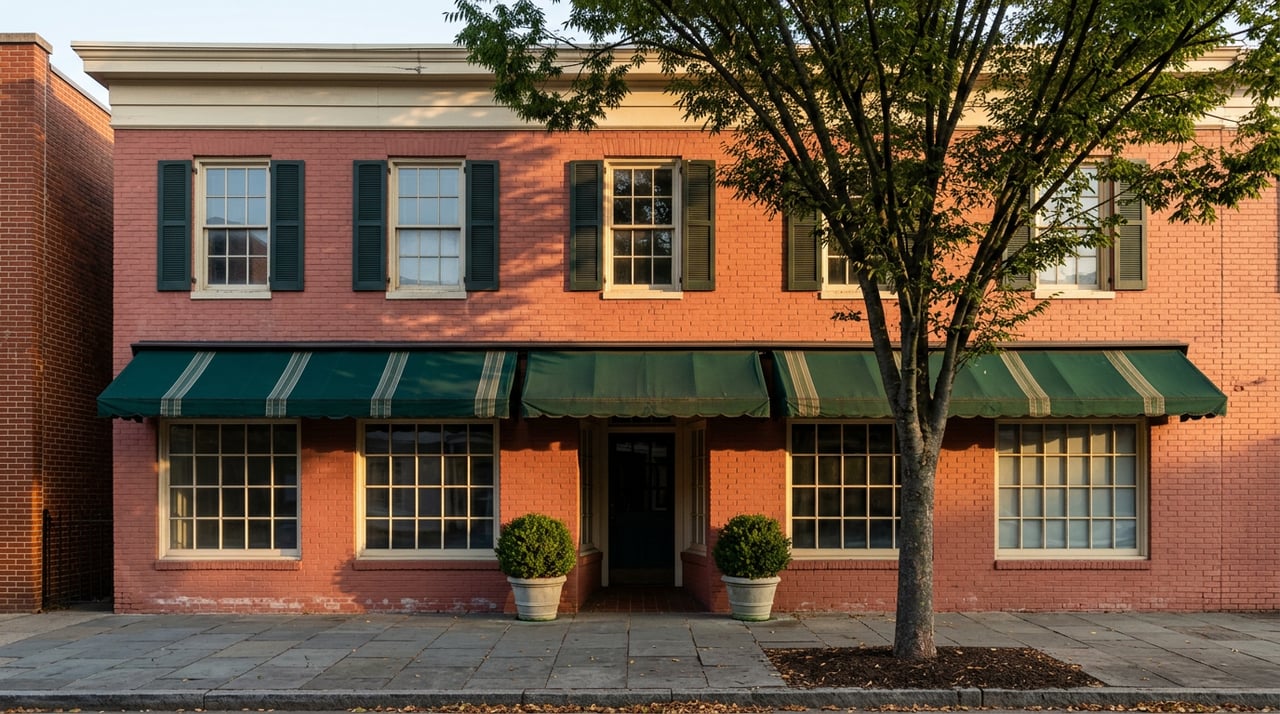
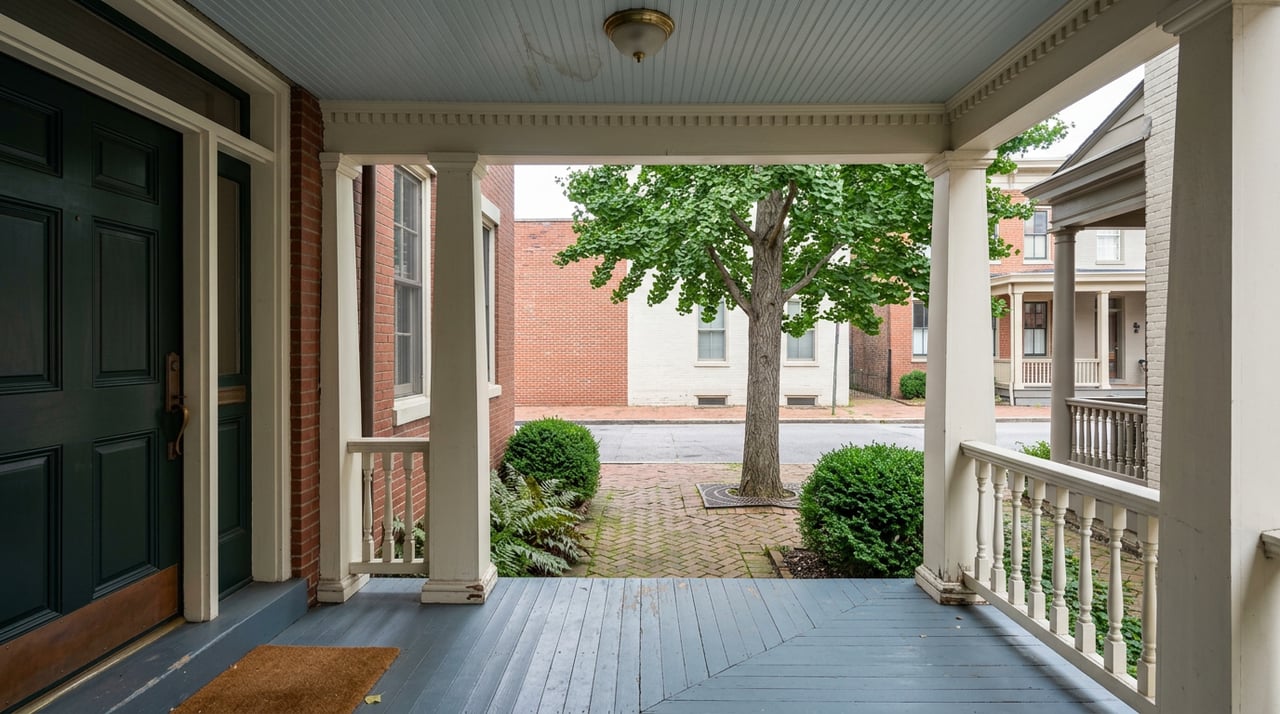
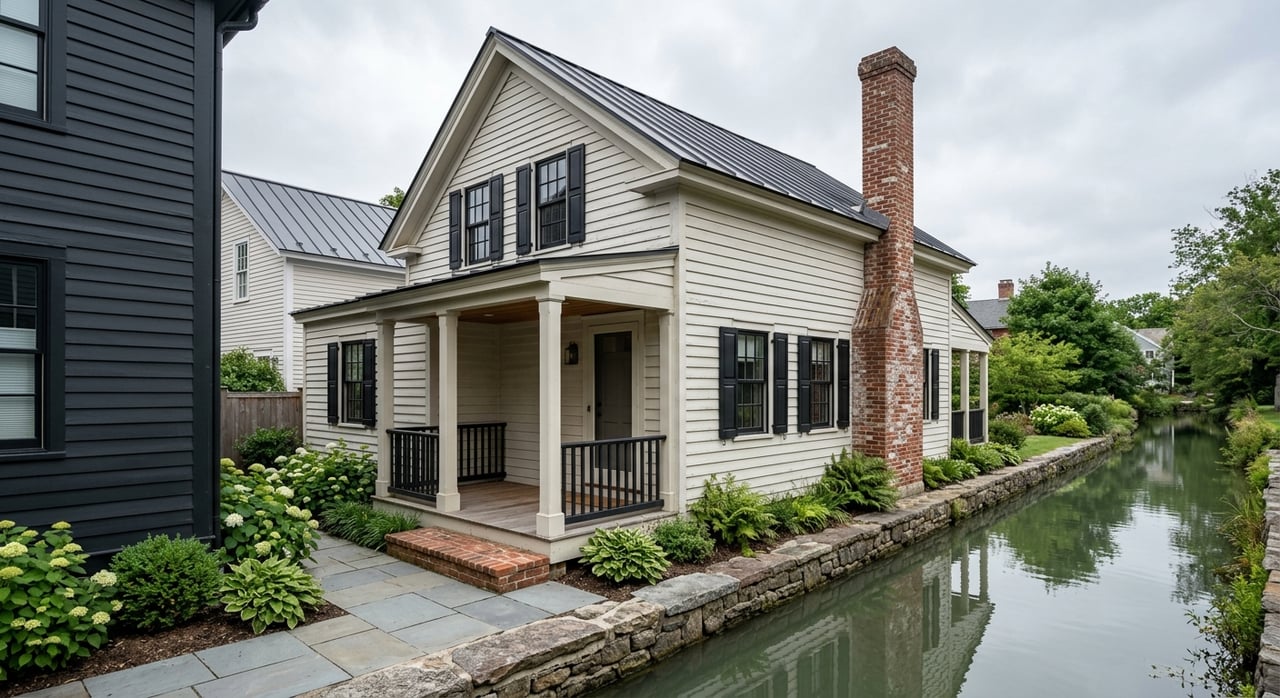
Princeton’s historic downtown housing stock includes forms that are different from later suburban townhomes. Streetscape records for Witherspoon Street describe many houses dating to the early and mid-19th century, often two or two-and-a-half stories tall, with porches and stoops playing an important role in the street presence.
The Witherspoon-Jackson survey also notes twin houses and a newer rowhouse form on Baker Street. These attached and semi-attached homes help define a more urban, walkable Princeton experience, especially in areas close to downtown and the university.
For design-minded buyers, these homes often offer something that larger suburban properties do not. Their architectural interest is concentrated on the street-facing side, where porch composition, entry sequence, and façade rhythm create an immediate sense of place.
Inside, many of these properties can support smarter modern updates focused on light, storage, and more efficient rear-of-house layouts. In Princeton, the visible exterior character usually matters most, so sensitive improvements often begin from that understanding.
Princeton is not defined only by traditional architecture. It also has a meaningful, if selective, modernist layer. A 2023 master-plan memo identifies the Institute for Advanced Study’s Maxwell Lane neighborhood as a collection of mid-century modern houses and notes visiting members’ housing designed by Marcel Breuer.
Princeton University adds to that design vocabulary with buildings that range from historic revival styles to Modernist Robertson Hall and post-modern Lewis Thomas Laboratory. Planning documents also reference Modernist structures along Prospect Avenue and Ivy Lane and Western Way.
If you are drawn to architecture as much as real estate, Princeton’s modernist homes can be especially compelling. These properties often place the architecture itself at the center of the experience, with open plans, large areas of glass, and a stronger indoor-outdoor relationship.
They also tend to pair naturally with contemporary interiors. Unlike some period homes that call for a quieter hand, mid-century and modernist houses often feel most coherent when updates remain clean, functional, and visually restrained.
Some of Princeton’s most prestigious properties benefit from both architectural pedigree and proximity to the university. The Central Historic District includes downtown Princeton and large parts of the campus, including Nassau Hall, Maclean House, the Gothic and Collegiate Gothic core, and Palmer Square’s Colonial Revival commercial fabric.
The Prospect Avenue Historic District is described by the municipality as a cohesive expression of Princeton University’s late-19th- and early-20th-century growth. Mercer Hill, meanwhile, is primarily residential but also includes Seminary campus buildings and homes by Charles Steadman.
In these settings, style and address are often inseparable. Buyers may respond to walkability, architectural continuity, and the prominence of the surrounding district as much as to the home itself.
That combination helps explain why campus-adjacent properties often hold strong appeal at the luxury level. The setting reinforces the architecture, and the architecture strengthens the setting.
Princeton’s preservation criteria are based on more than age alone. The municipality also considers significance, character-defining features, association with important people or events, and work by master architects.
That means a home’s story can be part of its value proposition. In this market, buyers often look beyond square footage and focus on authenticity, visible architectural integrity, and district context.
In some of Princeton’s Type 2 historic districts, preservation review applies to work visible from a public right-of-way. For owners, that creates a practical distinction between interior freedom and exterior responsibility.
If you are evaluating a home, this is why provenance matters. A property with legible design features and a coherent setting may carry more enduring appeal than a larger home with less architectural clarity.
Not every renovation approach fits every Princeton home. The strongest results usually come from matching updates to the architecture rather than forcing a trend across very different property types.
Here is a simple way to think about it:
In a market like Princeton, renovation value is rarely just about what is new. It is about what has been preserved, what has been improved, and whether the result still feels true to the house.
That is especially relevant in luxury sales, where buyers often notice proportion, materials, and authenticity right away. Clear architectural judgment can help you avoid over-improving in the wrong places and focus instead on changes that support both livability and long-term value.
If you are buying in Princeton, it helps to look at a home through two lenses at once. First, consider how the property functions for your life today. Then consider how its style, setting, and architectural legibility place it within the broader Princeton market.
If you are selling, the same logic applies in reverse. The strongest positioning often comes from presenting not just the square footage and amenities, but the home’s architectural identity, district context, and thoughtful updates.
In Princeton, luxury is often quieter than it appears. It lives in proportion, provenance, and the confidence of a house that belongs exactly where it stands.
If you are considering a purchase or preparing a distinctive home for the market, Dana Lansing offers design-informed guidance shaped by architectural training, luxury market experience, and a highly personalized approach.
Stay up to date on the latest real estate trends.
Dana's many repeat clients are a testament to the experience she brings to the process and the level of service she provides. With her knowledge of the market, she can also help clients understand what improvements make financial sense.