Why Lambertville NJ Luxury Homes Stand Out to Buyers
What makes a small river town feel instantly right to a design-minded New Yorker? In Lambertville, the answer is not just charm. It is the rare mix of compact scale, historic architecture, walkable blocks, and a built environment that still rewards a trained eye. If you are looking for a weekend place, a full-time move, or simply a home with more character than generic new construction can offer, Lambertville gives you a lot to study and love. Let’s take a closer look.
One of Lambertville’s biggest strengths is its scale. The city sits along the Delaware River in southwest Hunterdon County, about 18 miles upstream from Trenton, and it presents itself as a regional destination with eclectic restaurants, specialty shops, hotels and B&Bs, parks, historic buildings, and river views.
For buyers coming from New York City, that compactness often reads as a luxury in itself. Lambertville feels legible. You can understand the town quickly, move through it on foot, and settle into a daily rhythm that feels more connected and less car-dependent than many suburban alternatives.
City sources reinforce that impression. Lambertville describes itself as compact, notes that many residents live within a 10-minute walk of the farmers market, and identifies the community as one of only six bicycle-friendly municipalities in New Jersey. That combination gives the town a practical kind of livability that goes beyond postcard appeal.
For many design-savvy buyers, the real draw is the architecture. The Lambertville Historic District covers almost the entire city, encompassing 198 acres and roughly 1,150 buildings. That is not a small pocket of preserved streetscape. It is the framework of the town itself.
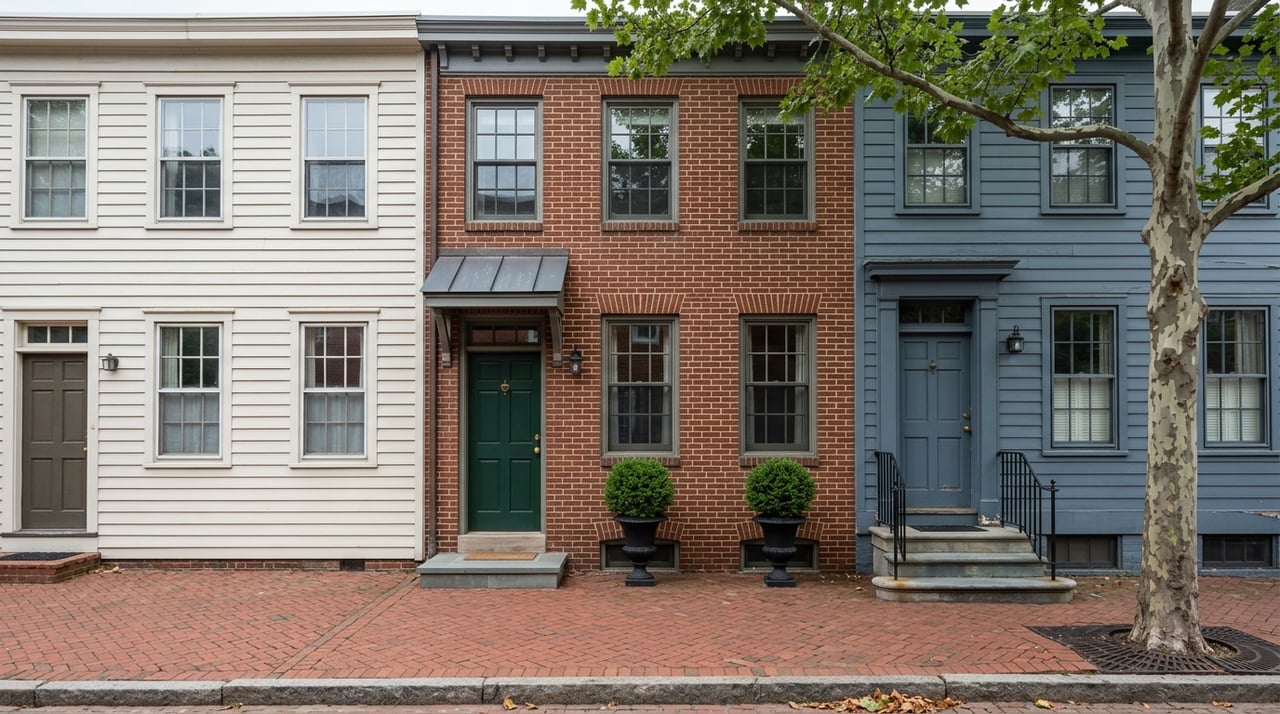
The historic district documentation describes Lambertville as a narrow strip between the Delaware River and a steep bluff, laid out on a grid with residential, retail, and manufacturing buildings mixed block by block. Most lots were historically small, and more than 75% of structures sat directly on or within 10 feet of the sidewalk. That creates the pedestrian-oriented scale many urban buyers already value.
This built form matters. Lambertville does not feel like a place where historic homes were dropped into a suburban setting. It feels like an older, intact environment where streets, façades, porches, storefronts, and lot lines still work together.
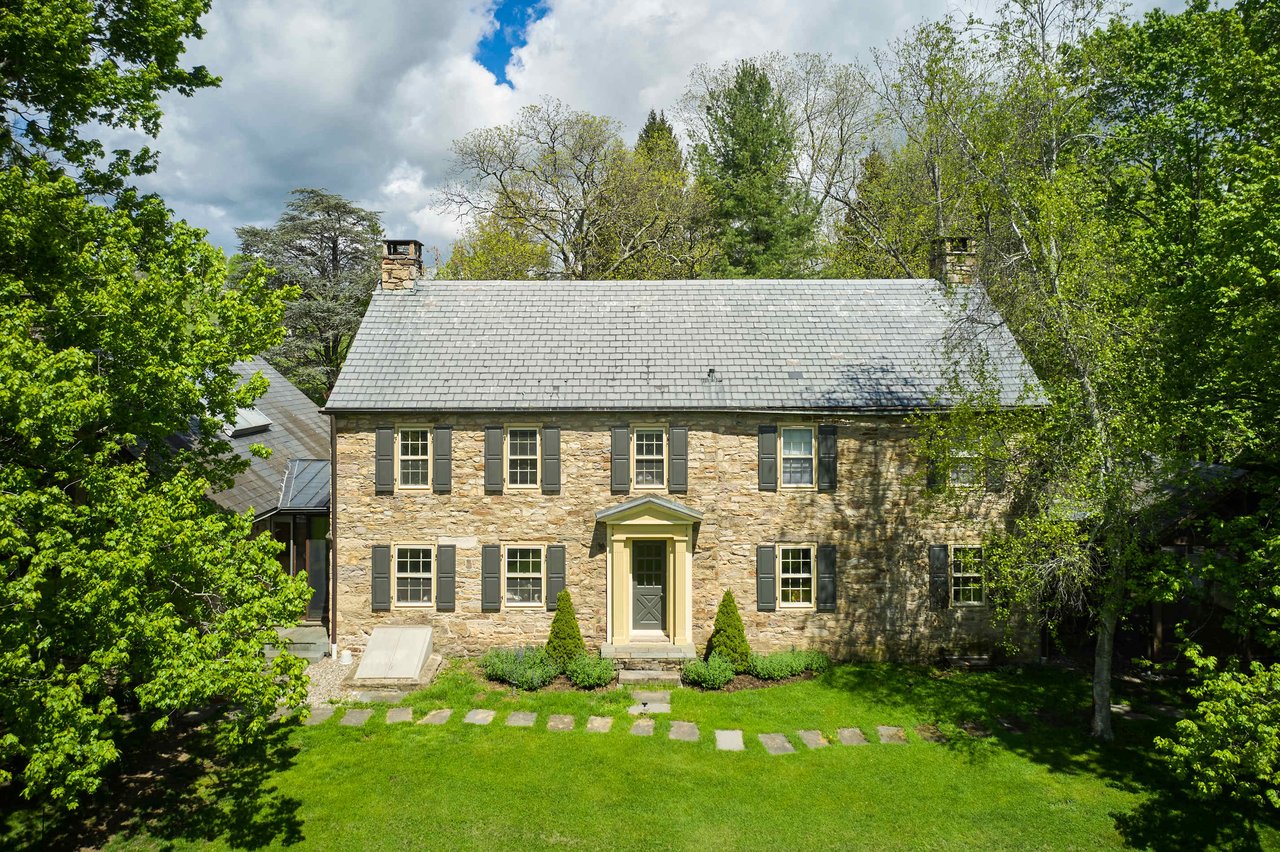
Lambertville’s design guidelines point to an unusually broad range of historic styles. You will find Federal, Greek Revival, Gothic Revival, Italianate, Queen Anne, Second Empire, and Colonial or Georgian Revival influences throughout the city.
That range gives buyers more than visual charm. It creates meaningful differences in proportion, detailing, rooflines, windows, and porch expression from one block to the next. If you notice façade rhythm, cornice lines, or the relationship between a house and the sidewalk, Lambertville offers the kind of visual depth that keeps revealing itself over time.
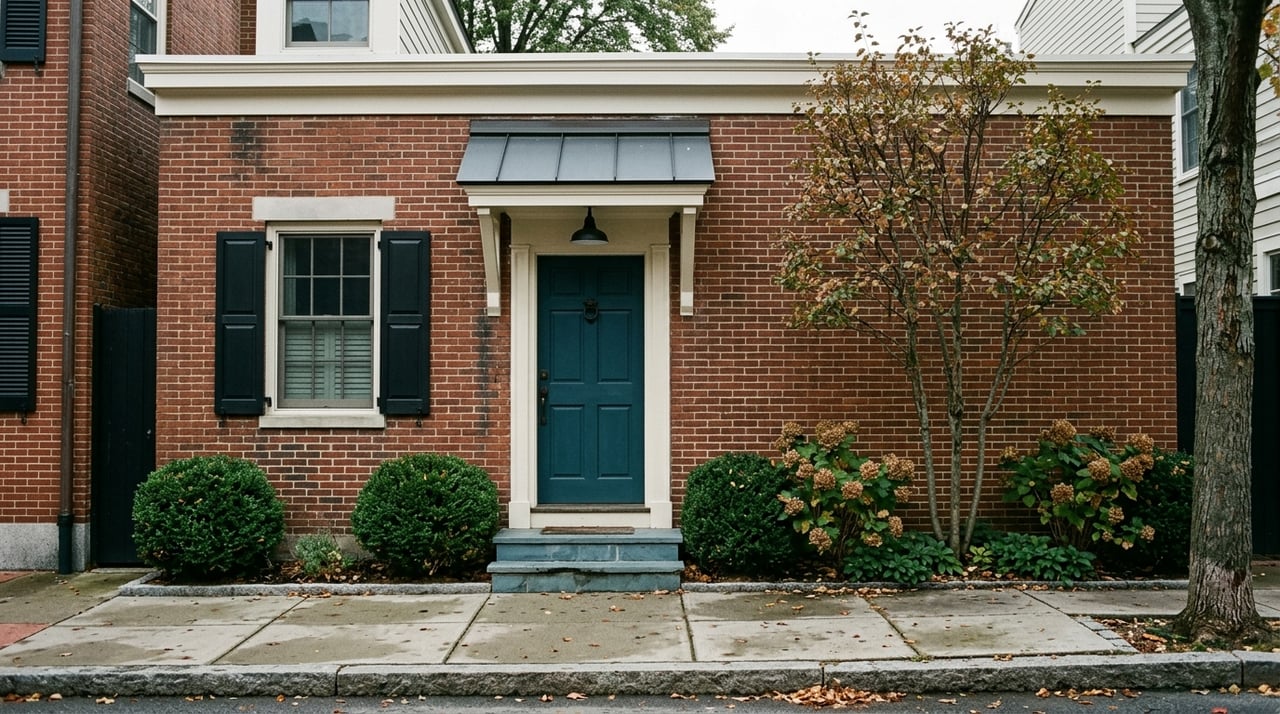
Downtown residential neighborhoods are described as cohesive, with homes close to the street, often featuring porches and little off-street parking. About a quarter of the city’s structures were row houses or strips of stores and offices, which reinforces an urban scale within a small-town footprint.
For a buyer used to Brooklyn brownstones, Village townhouses, or older Hoboken and Jersey City housing stock, that may feel familiar in the best way. The scale is intimate, but the setting is calmer. You get architectural density without the intensity of a major city.
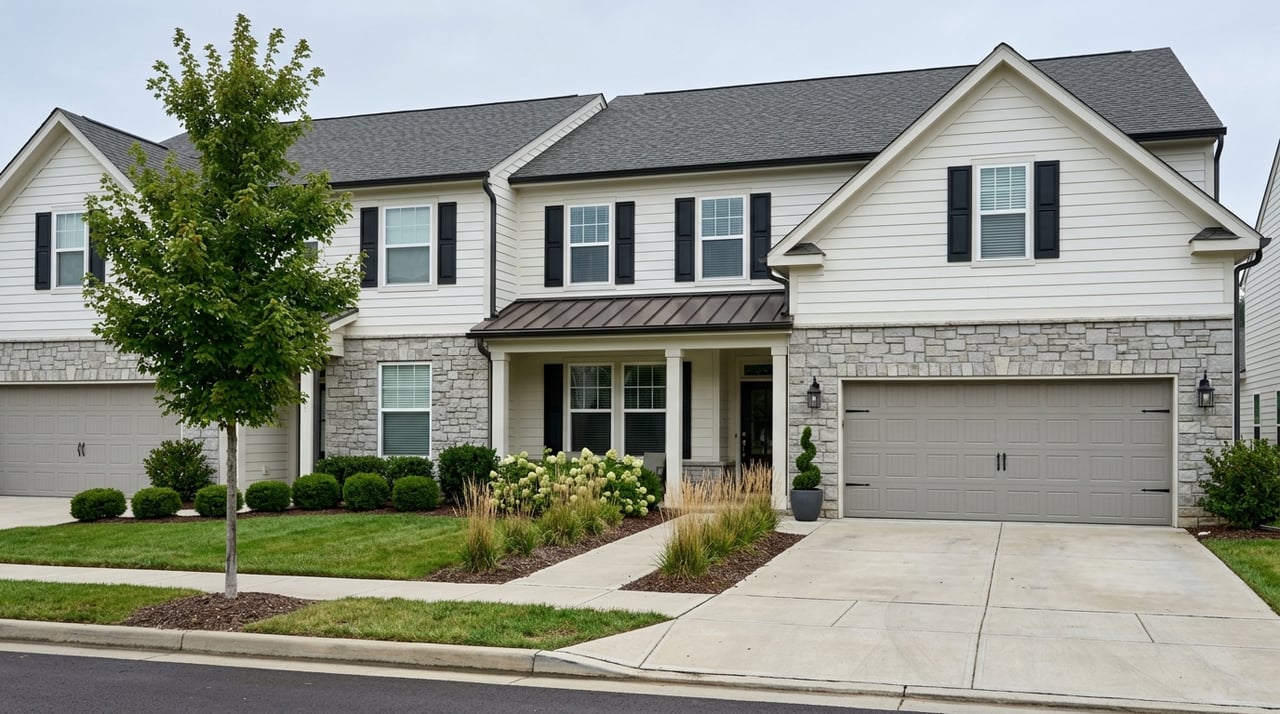
If you are searching for turnkey new construction, Lambertville is usually not the point. The market’s appeal lies in existing character stock, not broad swaths of new inventory.
Historic district documentation and city planning materials show a property mix that includes single-family homes, rowhouses, mixed-use buildings, and older structures that have been adapted over time. Residential, retail, and former industrial uses have long been interwoven here, and the city’s planning documents note that underused industrial buildings have already been redeveloped, with future growth mostly limited to infill.
That matters because it sets expectations correctly. Lambertville is not trying to become a large-format development story. It is a place where design judgment, renovation vision, and respect for context often matter more than square footage alone.
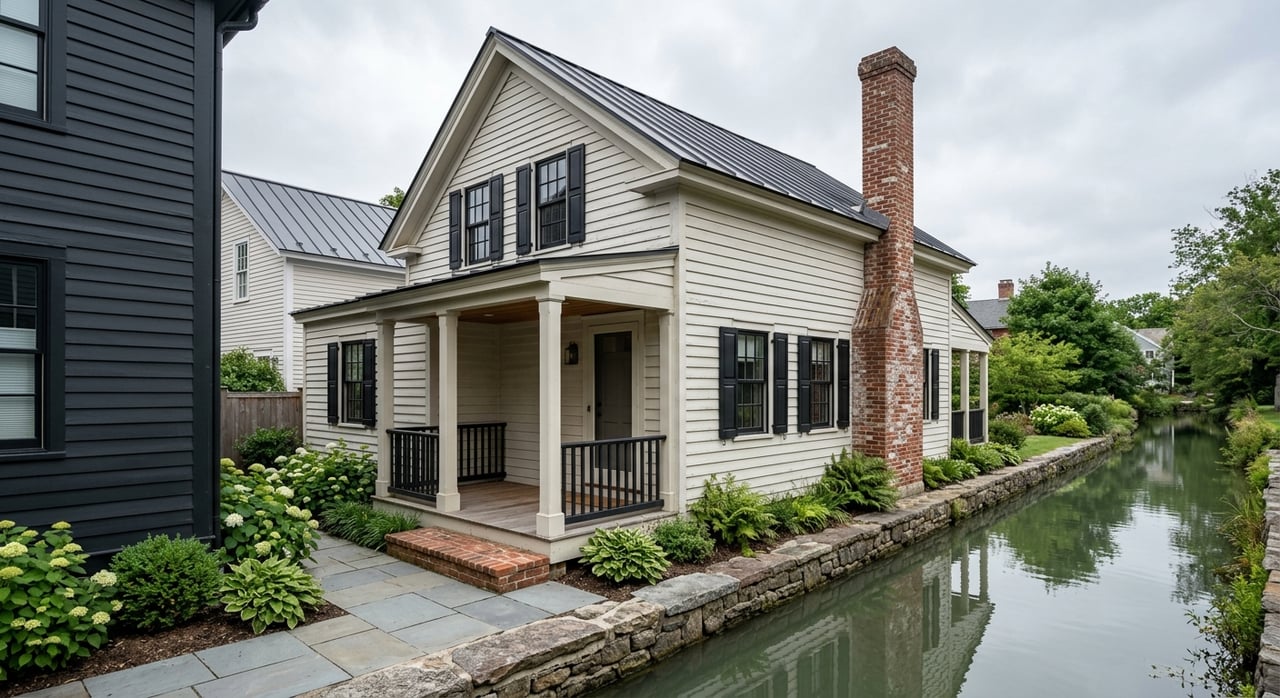
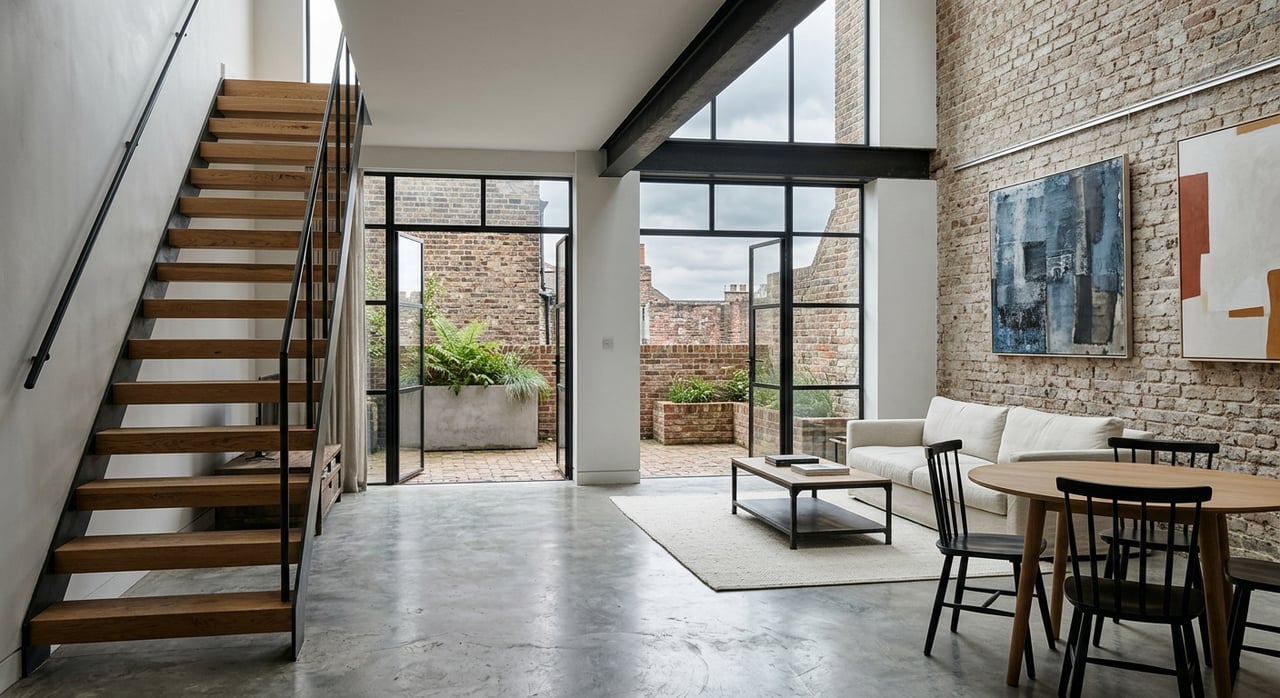
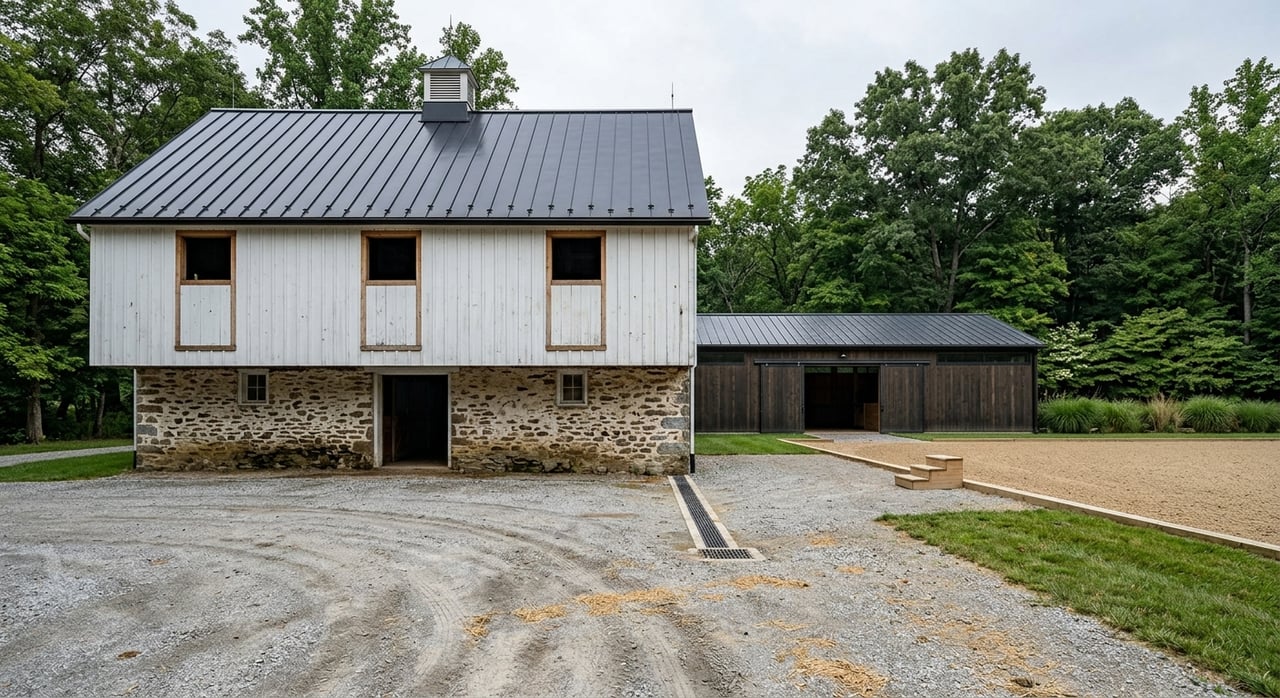
Reuse in Lambertville is not a trendy overlay. It is part of the city’s development pattern. Local housing and zoning materials define accessory apartments within existing homes, accessory structures, or additions, and zoning minutes show that apartment conversions in existing buildings are an established part of the central business district framework.
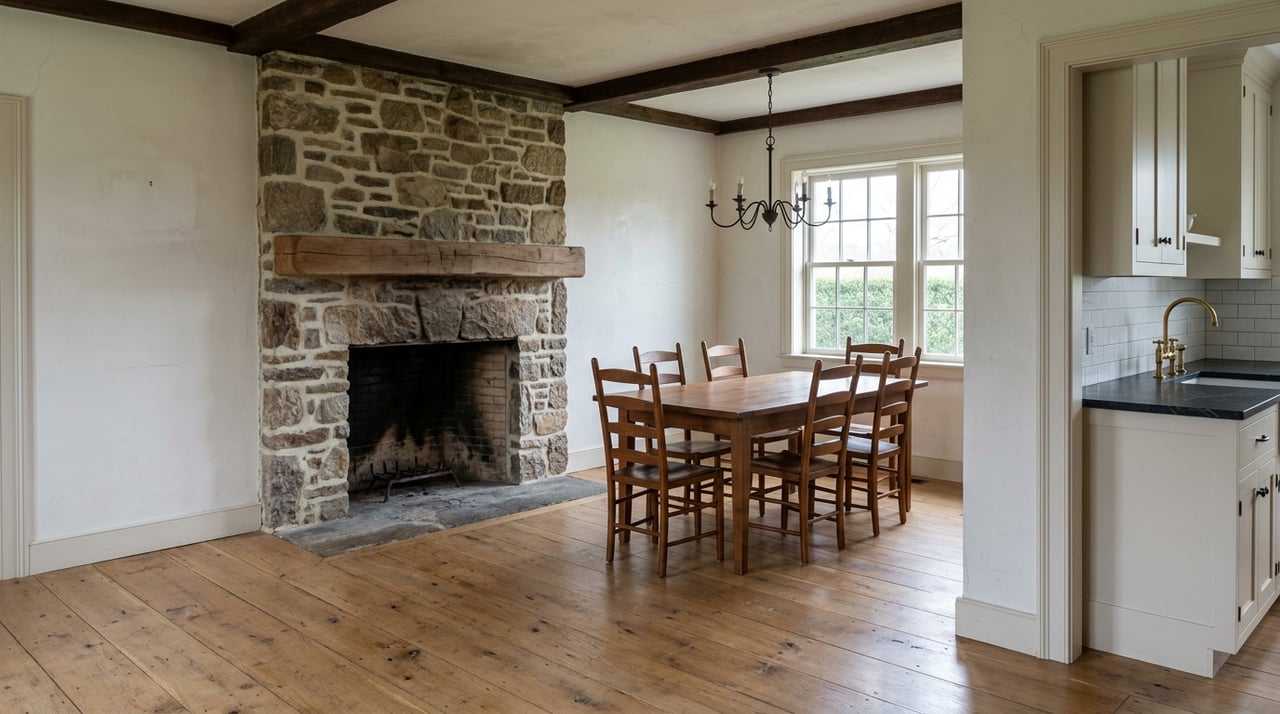
For design-minded buyers, that creates a different kind of opportunity. The appeal here is less about generic loft branding and more about thoughtful adaptation within a historic downtown fabric. In practical terms, you may find homes and buildings with layered histories, changed uses, and details that reward close attention.
Beautiful buildings are not enough on their own. The town also has to support the way you want to live, especially if you are coming from New York and weighing a second home, hybrid setup, or relocation.
Lambertville makes a strong lifestyle case because its cultural identity is unusually dense for a small city. The city describes a thriving arts-and-antique community and a year-round destination profile, with restaurants, specialty retail, parks, and river views all part of the experience.
Local galleries including Artists’ Gallery, A Mano, and MADE Gallery operate in town, reinforcing Lambertville’s creative identity. That matters for buyers who want more than a pretty house. They want a place with visual culture, independent businesses, and an everyday backdrop that feels curated rather than generic.
The cross-river connection to New Hope adds another layer. Lambertville’s own design guidelines identify the free bridge on Bridge Street as a key gateway into New Hope, which helps the town feel like part of a compact twin-town corridor rather than a standalone destination. For many buyers, that expands the sense of place in a very practical way.
The Delaware and Raritan Canal State Park adds a strong outdoor dimension to town life. The New Jersey Department of Environmental Protection describes the canal corridor as one of central New Jersey’s most popular places for boating, jogging, hiking, bicycling, fishing, and horseback riding, and notes that the upper feeder canal passes through historic towns including Lambertville.
That combination is hard to fake. In Lambertville, you can move from historic streets to canal paths, galleries, shops, and river views without feeling like you are stitching together separate lifestyle zones. The town’s appeal comes from how naturally these elements fit together.
Part of buying well is seeing a place clearly. Lambertville has strong appeal, but it also comes with practical constraints that serious buyers should understand from the start.
Parking is one of them. The city notes that parking can be difficult because Lambertville is compact and attracts many visitors, although most residential streets are meter-free. If you are used to urban parking realities, this may feel manageable, but it is still worth factoring into your decision-making.
Historic oversight is another. Lambertville’s Historic Preservation Commission oversees exterior changes within the historic district, including areas that cover key commercial and residential sections of the city. If you are considering additions, façade updates, windows, or other exterior work, you should expect review.
The city is also largely built out, with future growth increasingly limited to infill and redevelopment. That can help preserve character, but it also means supply is shaped by existing homes and buildings rather than abundant new inventory. For many design-conscious buyers, that is part of the appeal, but it does require patience and selectivity.
Design-savvy NYC buyers often respond to places where architecture, walkability, and daily life feel tightly linked. Lambertville offers that connection in a form that is both visually rich and easy to navigate.
You get a town where the historic district defines the experience, where many buildings meet the sidewalk, where porches and rowhouse rhythms still shape the streetscape, and where adaptive reuse feels authentic rather than manufactured. Add galleries, restaurants, canal access, and the connection to New Hope, and the result is a place that feels culturally active without feeling overbuilt.
For the right buyer, Lambertville offers something increasingly rare: a market where design integrity is not a niche feature. It is central to how the town lives and how its homes are understood.
If you are considering Lambertville or nearby river towns and want a thoughtful perspective on architecture, renovation potential, and market fit, Dana Lansing offers a highly tailored, design-led approach to distinctive homes.
Stay up to date on the latest real estate trends.
Dana's many repeat clients are a testament to the experience she brings to the process and the level of service she provides. With her knowledge of the market, she can also help clients understand what improvements make financial sense.