Comparing Newtown vs New Hope Homes for Retreat Living
Dreaming about a Bucks County retreat but torn between Newtown and New Hope? That choice matters more than you might think, because each town offers a very different kind of escape. If you want a place that feels beautiful and livable, this guide will help you compare the setting, housing character, walkability, and daily rhythm so you can focus on the town that fits your version of retreat living. Let’s dive in.
If you compare the two side by side, Newtown feels more practical and neighborhood-centered, while New Hope feels more like a destination-oriented river town. Both offer historic character and walkable cores, but the experience of living there can be quite different.
For many buyers, the decision comes down to how you want your retreat to function. Do you want a home base that supports everyday routines in a small-town setting, or do you want the setting itself to feel like part of the getaway every time you arrive?
Newtown Borough offers a small historic core with a grid street pattern and sidewalks along both sides of most streets. The borough is about 0.5 square miles, which helps create a compact, easy-to-navigate environment where many local resources are within walking distance.
That layout gives Newtown a grounded, everyday feel. You can enjoy historic surroundings and a walkable downtown without the stronger visitor traffic and tourism energy that shape some other Bucks County destinations.
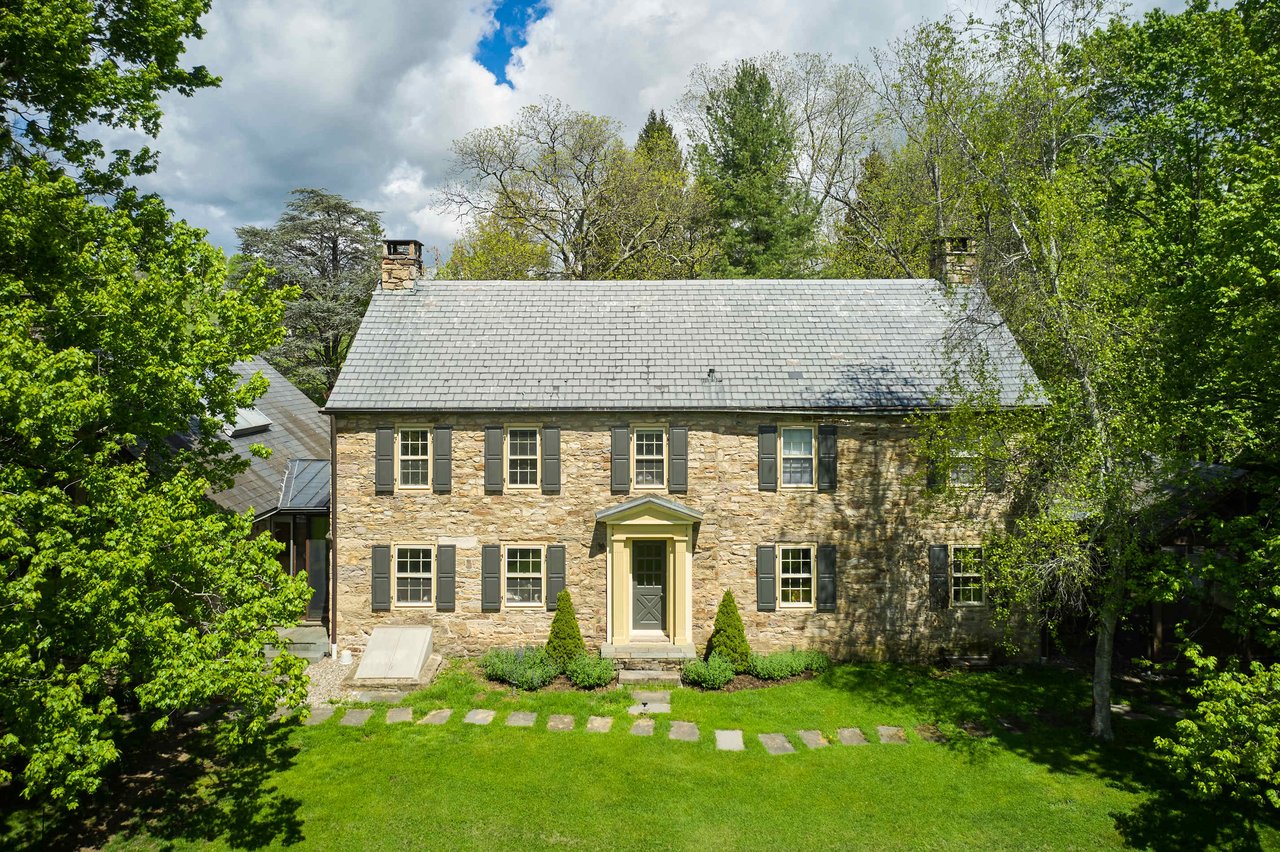
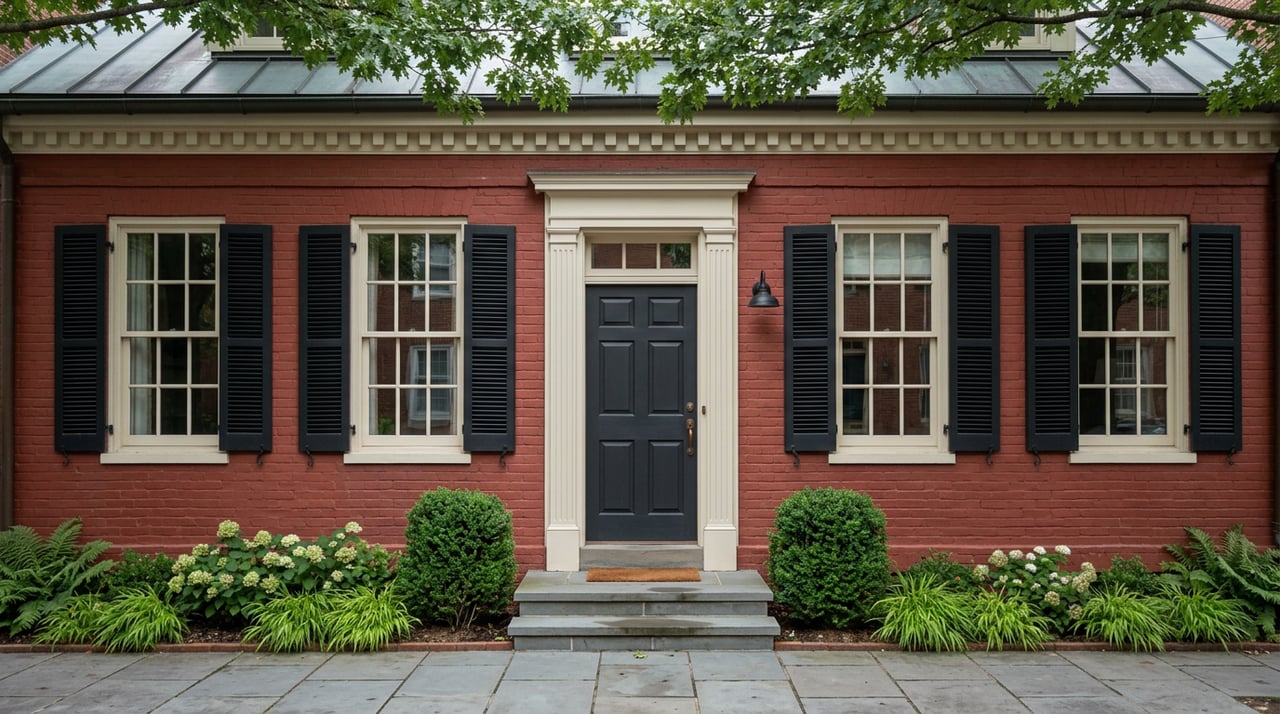
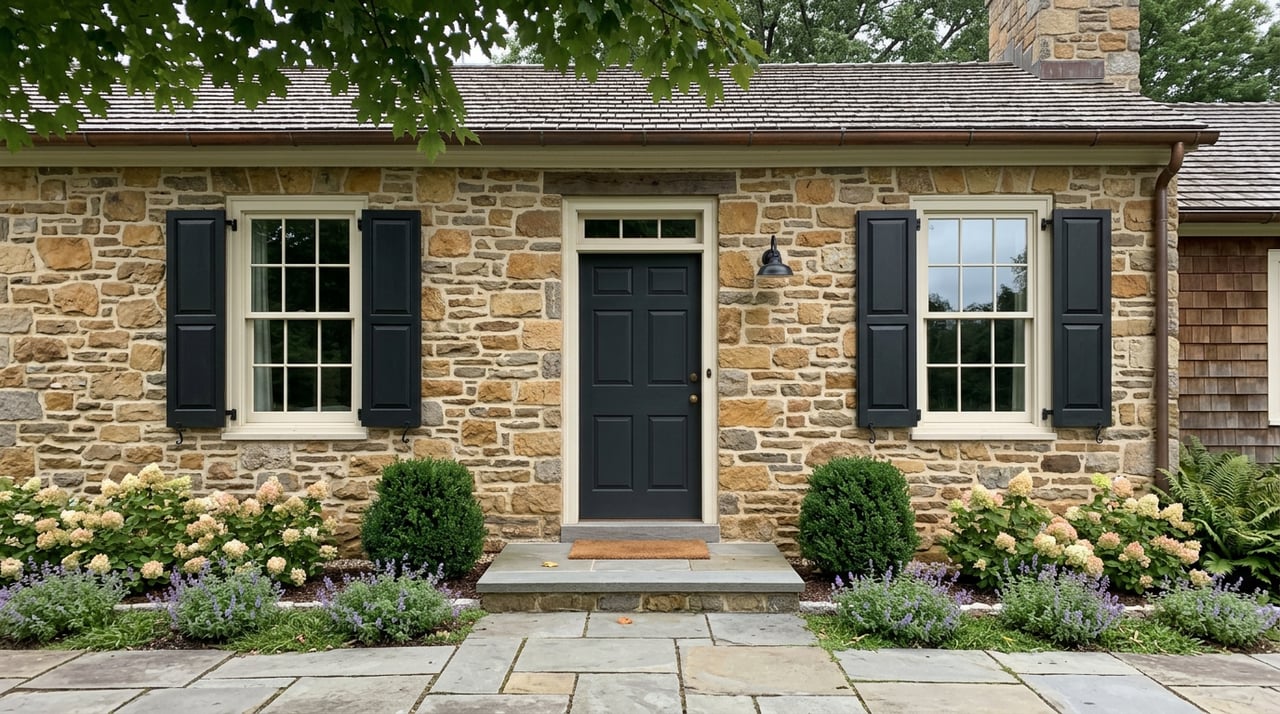
Newtown’s housing stock is primarily older and historic, and more than half of its homes are single-family. According to the borough’s 2022 comprehensive plan, the 2020 housing mix was 50.7% single-family detached, 28.5% single-family attached, 4.5% twins or duplexes, and 16.3% multifamily.
That mix matters if you want options. You may find substantial historic homes, attached residences, twins, and some multifamily properties, all within a borough known for its historic district and long architectural history.
Newtown’s downtown centers on State Street, where the borough lists cafes, bakeries, bars, restaurants, and other businesses in a concentrated strip. The visitor materials also point to local institutions like the Newtown Theatre, the Newtown Historic Association, and the Newtown Library Company.
Together, those features suggest a town where culture feels local and community-based. Instead of a retreat setting built around heavy weekend tourism, Newtown offers a steadier small-town rhythm with real day-to-day utility.
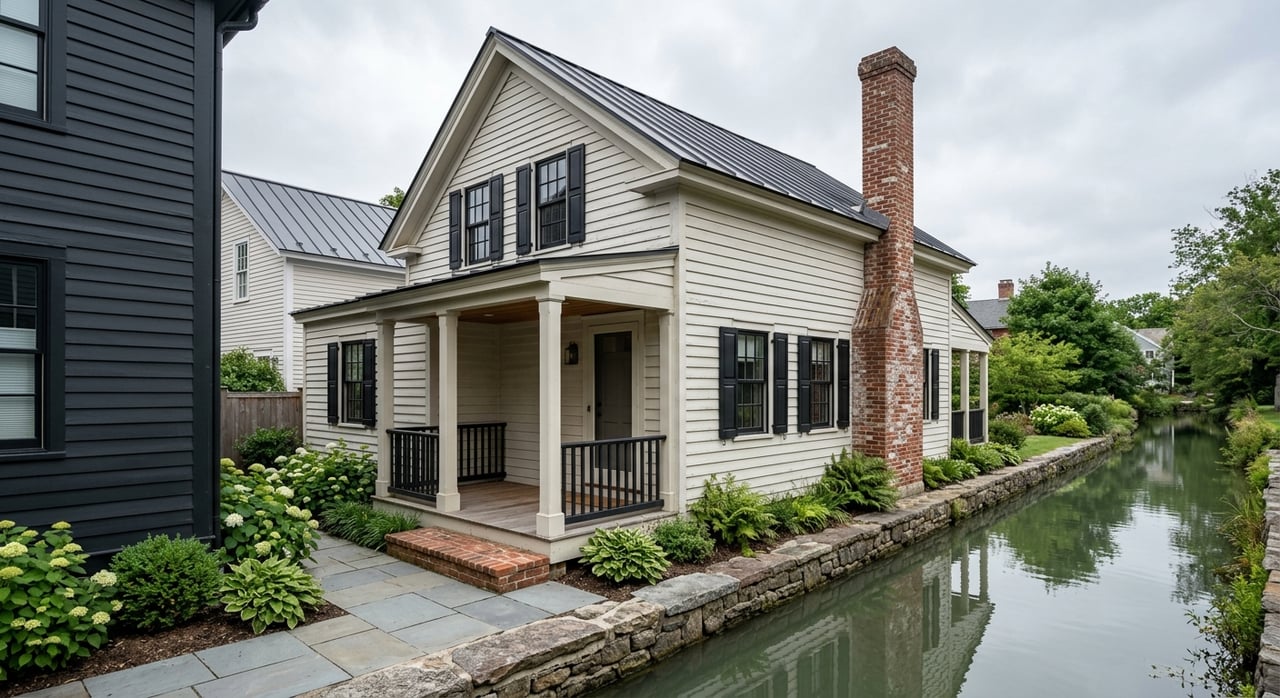
New Hope offers a different experience from the start. The borough sits on the west bank of the Delaware River, the Delaware Canal runs through the center of town, and Delaware Canal State Park is one of its defining amenities.
If your idea of a retreat includes river views, canal access, and a setting that feels immediately distinct, New Hope stands out. It is the kind of place where the surroundings are part of the lifestyle, not just the backdrop.
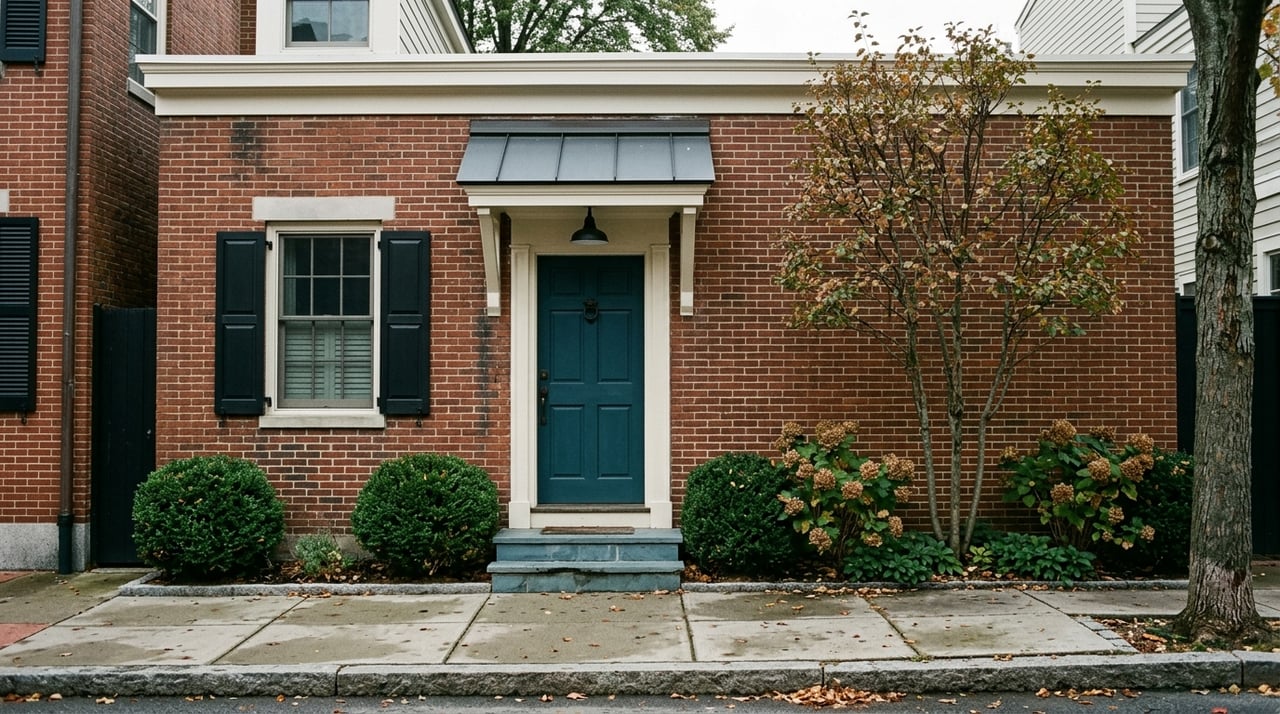
New Hope has a more preservation-forward and tightly regulated historic environment. The borough established its historic districts and HARB in 1987, and exterior work in the historic district requires a Certificate of Appropriateness.
Its housing mix is also notably varied. The borough’s 2011 comprehensive plan described housing as about 39% single-family detached, 25% attached, and 19% multifamily, with attached and apartment-style housing concentrated in several established projects.
For a design-minded buyer, that often translates into a more curated market. In New Hope, the lot, the river relationship, the streetscape, and the preservation context can matter just as much as the home itself.
New Hope is highly walkable, with sidewalks along most streets and a compact town center supported by local shops, cafes, nightlife, and visitor amenities. Borough materials also note that parking includes on-street spaces and public or private lots with pay-by-plate kiosks, and that weekend visitor traffic increases notably.
That tells you something important about the experience of owning there. New Hope can deliver strong “park once and stay on foot” appeal, but it also comes with a more visitor-managed, destination-oriented rhythm than Newtown.
Both towns are walkable, but they serve different lifestyles.
Newtown’s walkability is strongest in its core, where the grid street network and sidewalks put shops, dining, and local institutions within reach. Some areas lack sidewalks, so the experience is not uniform across the entire borough.
Still, if you want a retreat that can also function like a normal small town, Newtown offers a practical balance. It is compact and convenient without feeling built around weekend crowds.
New Hope’s walkability is one of its strongest lifestyle features. The compact borough, central canal, and concentrated commercial activity make it easy to explore on foot.
For buyers who picture arriving, parking, and spending most of the weekend walking to dinner, shops, or the riverfront, New Hope fits that vision especially well. The tradeoff is that the same qualities that make it charming also make it busier during peak visitor times.
When buyers picture a retreat, they often picture how they will spend their time outside the home. This is one of the clearest differences between Newtown and New Hope.
Newtown offers a manageable dining scene and a historic downtown with institutions woven into daily life. Its official materials highlight a blend of restaurants, bakeries, public parking, and local cultural landmarks in a compact area.
That gives Newtown a quieter, community-based appeal. If you prefer a retreat where the town supports your lifestyle without dominating it, this can be a strong match.
New Hope is much more culture- and dining-forward. Borough materials describe dozens of art galleries, antique shops, museums, craft shops, and restaurants, along with strong year-round tourism and especially active weekends.
The town is also home to signature destinations like Bucks County Playhouse on the Delaware River. For many buyers, that concentration of dining, arts, and entertainment is exactly the point of owning in New Hope.
If river-valley living is high on your list, New Hope has the clearer edge. Its location on the Delaware River and along the Delaware Canal creates a setting that is hard to replicate elsewhere in Bucks County.
The Delaware Canal State Park towpath extends 58.89 miles, adding a long recreational corridor that is closely tied to the town’s identity. The New Hope-Lambertville bridge also functions as a major pedestrian crossing, reinforcing New Hope’s role as a connected river-town hub.
Newtown offers open space and local natural features, but its official materials emphasize Newtown Creek, the borough grid, and in-town resources rather than direct riverfront access. If immediate water-oriented setting is central to your search, New Hope is likely the more natural fit.
The right choice depends less on which town is “better” and more on how you want to live when you are there.
If you are weighing these towns as a buyer of a distinctive home, it helps to look beyond square footage and finishes. In places like Newtown and New Hope, value is often shaped by context, architectural integrity, and how the property relates to the town around it.
That is especially true if you are considering a historic residence, an attached home in a tightly regulated district, or a property where setting is a major part of the appeal. The most successful retreat purchases usually come from matching the home’s design and location to the way you actually plan to use it.
In simple terms, Newtown favors buyers who want historic character with stronger day-to-day utility, while New Hope favors buyers who want a more river-centric and culturally active setting. If you are looking for a second home or design-led retreat in Bucks County, that distinction is often the clearest place to start.
If you are considering a purchase in either town, working with an advisor who understands architecture, preservation context, and how lifestyle shapes value can help you make a more confident decision. For tailored guidance on distinctive homes in Bucks County, connect with Dana Lansing.
Stay up to date on the latest real estate trends.
Dana's many repeat clients are a testament to the experience she brings to the process and the level of service she provides. With her knowledge of the market, she can also help clients understand what improvements make financial sense.