Quakertown Country Estates: A Buyer’s Guide
If you are searching for a country estate or horse property near Quakertown, the real challenge is not just finding acreage. It is finding land that actually works for the way you want to live, whether that means a private stable, a restored farmhouse, or a quieter retreat with room to breathe. In this part of Bucks County, parcel size, zoning, infrastructure, and preservation rules can shape value as much as the house itself. Here is what to look for so you can evaluate these properties with more clarity and confidence. Let’s dive in.
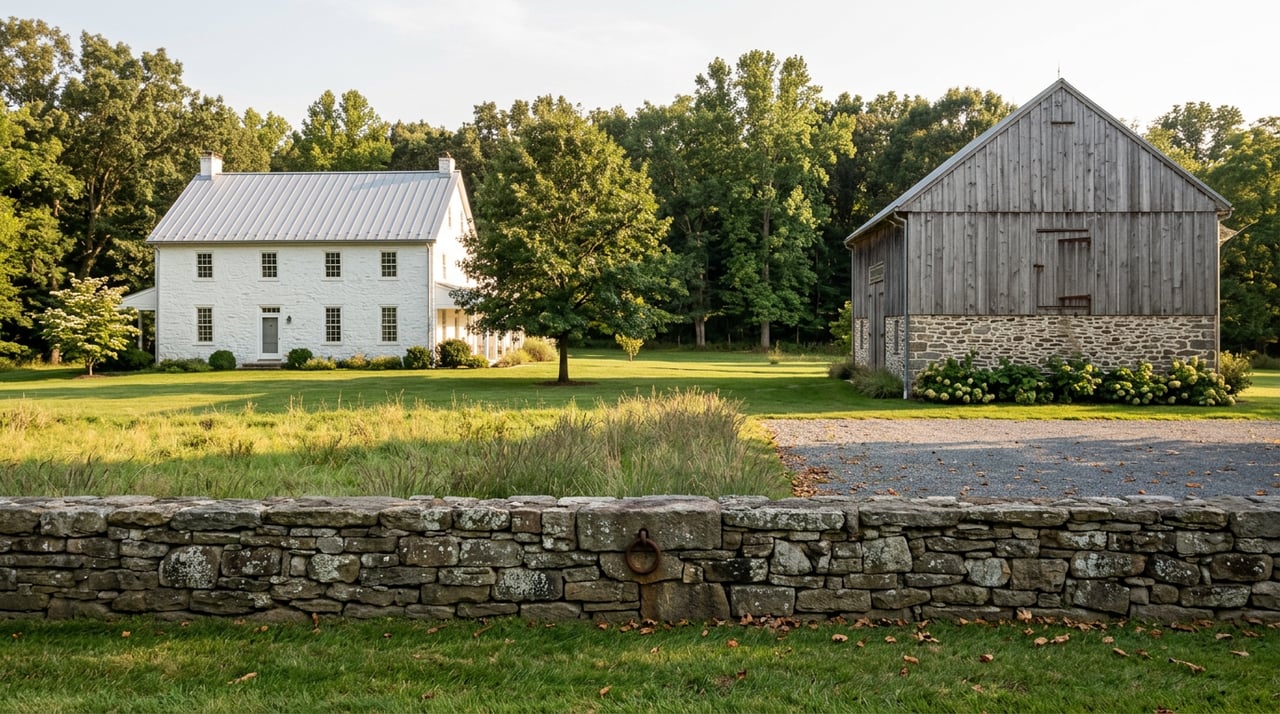
The Quakertown Area planning region spans 72.57 square miles in western Bucks County and connects easily to surrounding markets through Route 309, 313, 663, and the Pennsylvania Turnpike Northeast Extension. Outside the borough cores, the landscape is largely rural, with active farms, wetland corridors, and wooded terrain that gives the area its sense of openness. For buyers who want a country setting without losing regional access, that balance is part of the draw.
This is also a market where the countryside matters more than the borough itself. The regional planning context points buyers toward areas around Milford, Richland, Haycock, East Rockhill, West Rockhill, and Springfield when the goal is larger parcels, hobby farms, or equestrian potential. In practical terms, your search is often about township-by-township fit rather than a single Quakertown address.
The land-use mix helps explain why these properties feel distinct. The regional plan identified 8,759 acres of agricultural land and 7,071 acres of parks, recreation, and protected open space. It also defines rural residential land as single-family detached homes on parcels of five acres or more, which is a useful starting point if you are looking for an estate-like setting.
Acreage is important, but usable acreage matters more. Around Quakertown, township rules suggest three practical categories for buyers: smaller edge parcels near villages, mid-sized hobby-farm properties, and larger agricultural tracts. Those are not formal market labels, but they are a useful way to think about what different parcels can support.
A two-acre parcel may sound generous until you account for setbacks, well location, septic areas, wetlands, and the space needed for paddocks or manure storage. On the other hand, a five-acre or ten-acre property may offer much more flexibility, especially if your goals include horses, accessory buildings, or future improvements. This is why country-property decisions often begin with the site plan, not the listing photos.
For buyers comparing options, it helps to separate headline acreage from functional acreage. A property can be large on paper and still feel constrained if the buildable envelope is reduced by environmental or infrastructure limits. That distinction becomes especially important in the Quakertown countryside.
If you are considering horses or other livestock, local rules should be one of your first checkpoints. The townships around Quakertown do not apply one universal standard, and the details can change what is realistic on a specific parcel. Even similar-looking properties may offer very different rights and limits.
Richland Township requires a minimum of two acres for livestock. Animal structures must be at least 100 feet from street and property lines, and livestock or poultry may not run at large. For a buyer, that means a smaller parcel may qualify in theory, but layout still matters.
East Rockhill Township allows homestead animals with a zoning permit. The starting point is three acres for two large animals or two small animals, with one additional large animal or two additional small animals for each additional acre. Animal structures must also be 100 feet from property lines.
Milford Township is especially relevant for horse-property buyers because its ordinance addresses private stables directly. A private stable requires a minimum parcel of two acres, allows a base count of two horses, and then permits one additional horse for each extra half acre. The ordinance also requires 100 square feet of stable area per horse when no natural shelter exists, along with setback standards for stables and manure areas.
Springfield Township notes that properties with more than two animal equivalent units per acre need an approved nutrient management plan. Its code also references boarding stable use and accessory structures. If you are looking at a more active equestrian setup, management requirements can be just as important as zoning labels.
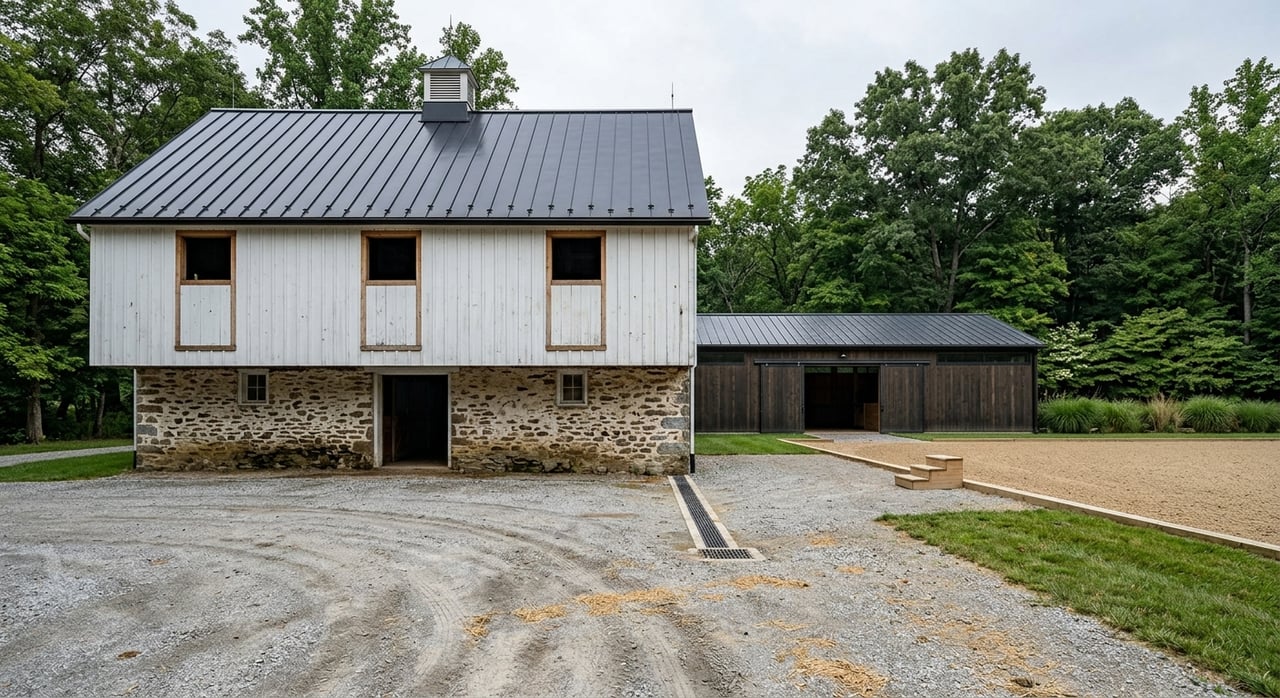
A classic barn can be visually compelling, but a horse property succeeds or fails in the daily details. Milford Township defines a private stable as an accessory structure for keeping horses not for hire, and a corral as an enclosure used near a stable or barn. For buyers, the more useful question is whether the site supports practical day-to-day use.
Penn State Extension materials used by Springfield Township emphasize drainage and manure handling as core design concerns. Recommended manure storage features include high ground, separation from buildings and waterways, runoff control, cover or tarp protection, and access that works in all weather. Wash stalls should have durable, impermeable flooring and drainage, and rainy-day paddocks are often a useful tool on limited acreage.
This is where design and land planning intersect. A property may have a handsome barn, but if there is no clear place for a manure pad, loader access, paddocks, or separation from neighboring houses and water features, the setup can become less functional than it first appears. On smaller acreage, those details often matter more than the raw number of acres.
One of the defining features of this part of Bucks County is that a meaningful share of the landscape is shaped by preservation tools. Bucks County reports 19,242 acres preserved countywide as of 2026, and those preservation easements keep farms in agricultural use in perpetuity. The Quakertown Area plan also documented nearly 13,000 acres under Act 319 and 4,502 acres in Agricultural Security Areas.
For you as a buyer, that matters in two ways. First, preserved land can help maintain the rural setting that draws people to the area in the first place. Second, preservation status can affect what you can build, alter, or subdivide, so it should be part of early due diligence rather than a last-minute discovery.
Agricultural Security Areas have their own framework under Pennsylvania law. The state notes that 500 acres are required to establish an ASA, while standalone parcels generally need at least 10 acres and at least 50 percent Class 1 to 4 soils to join an existing ASA. Clean and Green and other preservation-related classifications can also carry tax or use implications if a property is removed from the program.
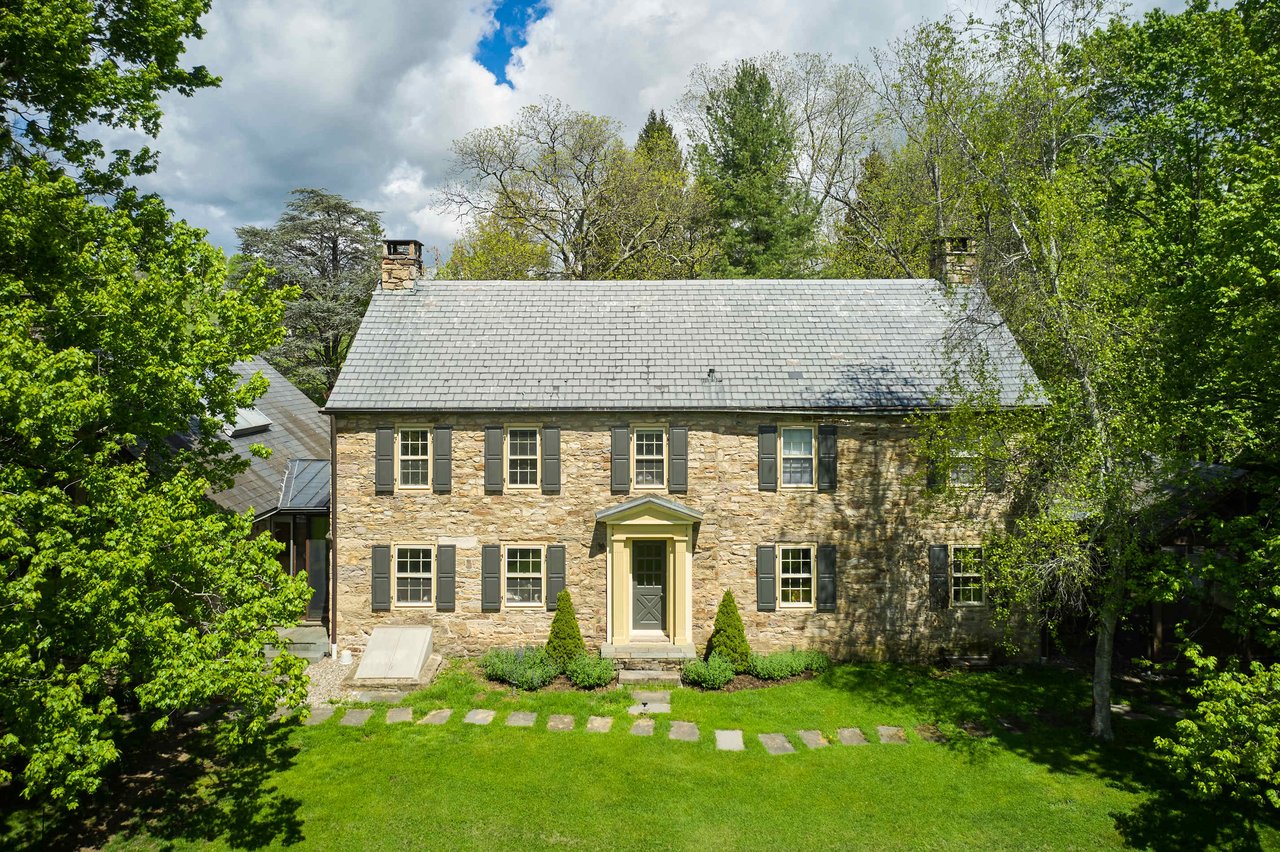
Many buyers near Quakertown are choosing between two very different property types: an older farmhouse with character or a newer custom home with more predictable systems. Each can be compelling, but each asks different questions of you as a buyer. The right answer often depends on how much uncertainty you are willing to manage.
Older villages in the Quakertown Area are described as compact settlements dominated by older single-family homes and supported by churches, businesses, and similar buildings. The regional plan also emphasizes protection of historic and cultural resources and scenic views, including village viewsheds that transition between open countryside and settled areas. That means older houses may sit in locations where change receives closer scrutiny.
With an older farmhouse, the first issues are often lawful status, water, and septic. East Rockhill Township makes clear that the right question is not whether something is simply grandfathered, but whether a use or structure is conforming or lawfully nonconforming. If a building, addition, or use predates current rules, you want documentation and clarity before you plan renovations or expanded equestrian use.
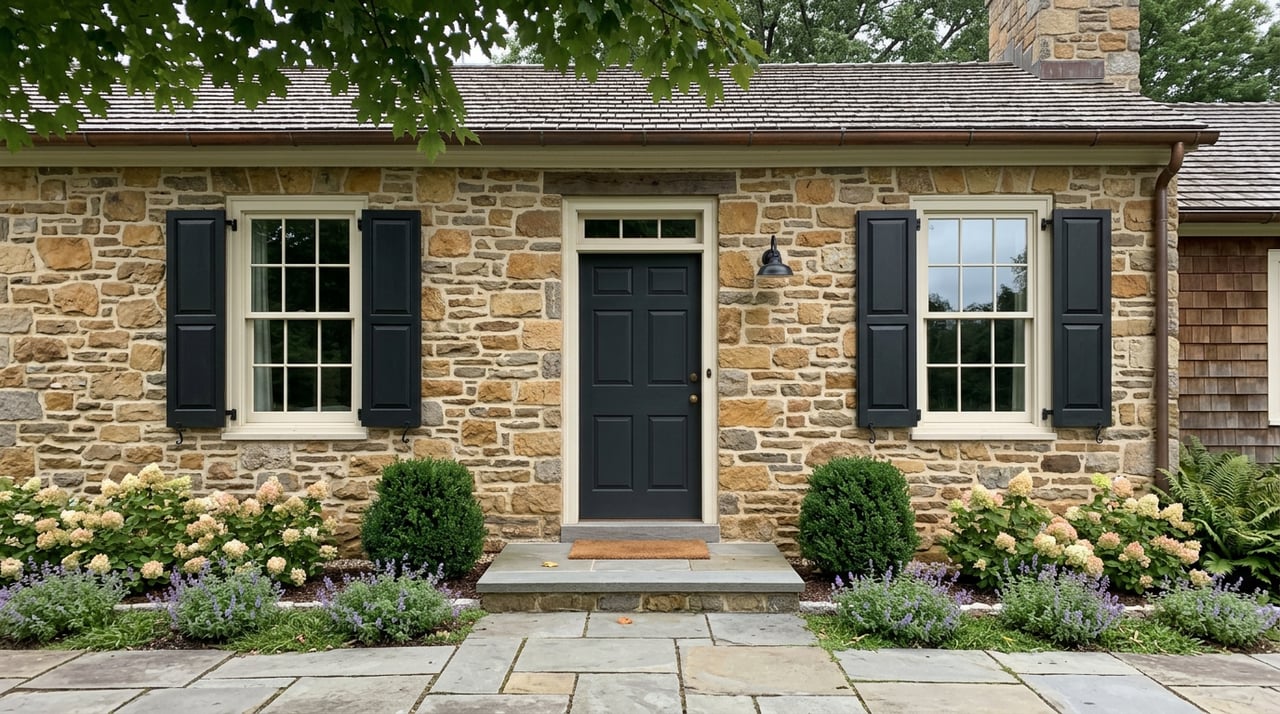
Newer custom builds usually offer clearer compliance with current zoning, stormwater, and development rules. East Rockhill notes that all development must conform to subdivision and land development, zoning, grading, and stormwater standards, while Richland requires permits for new homes and accessory structures. In many cases, a newer home is easier to adapt to current needs, but it may not offer the same architectural character or provenance as an older stone farmhouse.
For country properties, infrastructure can be more important than finishes. Bucks County’s Health Department permits on-site sewage facilities, including new and repaired septic systems, and private wells in Pennsylvania are not regulated by the state. The state recommends regular well testing, including annual testing for total coliform bacteria, nitrates, total dissolved solids, and pH.
On horse properties, well placement deserves special attention. Bucks County standards require wells to be at least 200 feet from farm silos, barnyards, manure pits or tanks, and other manure storage areas. Wells must also be at least 50 feet from septic tanks and 25 feet from wetlands or a 100-year floodplain.
Those separation requirements can change what is buildable on a site. A parcel may appear to have plenty of room for a larger barn, an arena, or a replacement house, only to prove tighter once wells, septic, manure management, wetlands, and setbacks are mapped together. This is why serious country-property evaluation always includes county and township mapping tools early in the process.
The regional plan highlights wetlands, steep slopes, and the Quakertown Swamp as significant landscape features. In this setting, topography and environmental constraints are not minor technical issues. They are often central to whether a property can support the improvements you have in mind.
Not every equestrian buyer wants a full working setup. Some are looking for a private property with enough space for a few horses and nearby places to ride. In the Quakertown area, that recreational layer can add meaningful appeal.
Nockamixon State Park permits horseback riding on roadsides and on the Quarry, Old Mill, and south-side-of-lake trails. Lake Towhee Park also lists horseback riding among its amenities. For buyers who value access to riding opportunities, proximity to these destinations can become an important part of the search.
When you tour country estates and equestrian properties near Quakertown, it helps to keep a short, disciplined checklist in mind. Attractive architecture and scenic land are important, but they should be supported by practical answers. A beautiful property becomes far more compelling when the legal and physical framework aligns with your plans.
Focus on these core items:
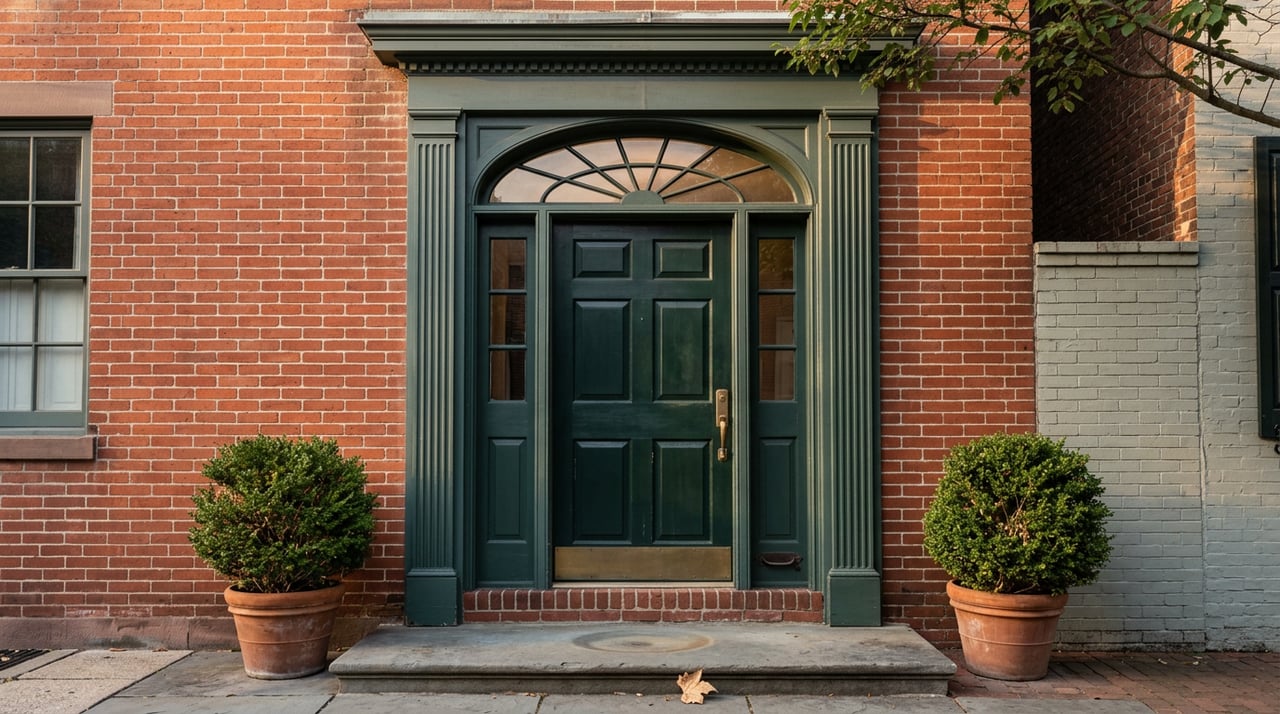
For design-minded buyers, this is where experienced guidance matters most. The right property is not only visually special. It is a property where land, architecture, and regulations work together in a way that protects both enjoyment and long-term value.
If you are considering a country estate, historic farmhouse, or equestrian property near Quakertown, a careful reading of the site can be just as important as the home itself. With the right guidance, you can separate simple acreage from true opportunity and move forward with a clear understanding of what a property offers. To discuss distinctive Bucks County properties with a design-informed perspective, connect with Dana Lansing.
Stay up to date on the latest real estate trends.
Dana's many repeat clients are a testament to the experience she brings to the process and the level of service she provides. With her knowledge of the market, she can also help clients understand what improvements make financial sense.